

Theo Wells-Spackman is a Report for America corps member who reports for VTDigger.
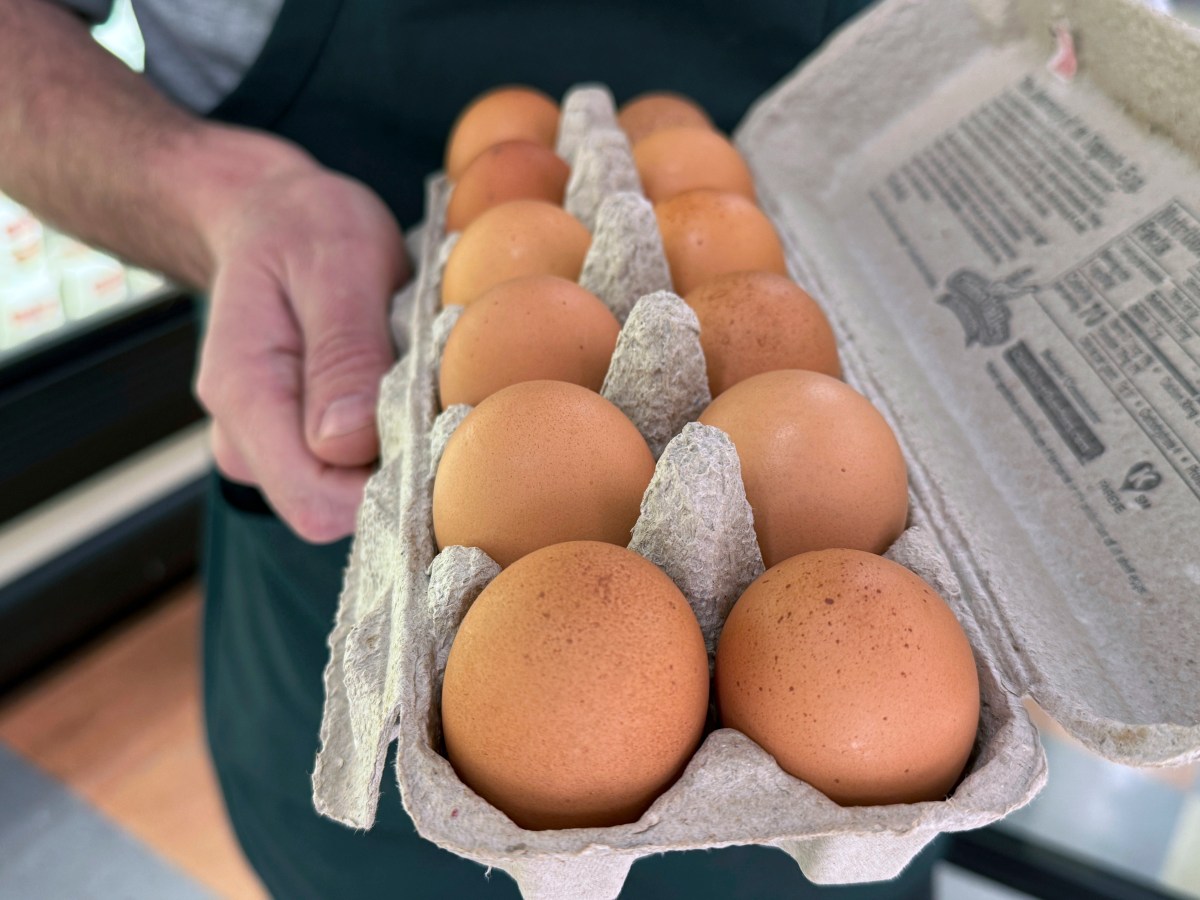
Vermont will receive 915,000 eggs and $56,000 in settlement payments after an investigation indicated several large egg producers may have colluded to inflate prices between 2022 and 2025, officials said Tuesday. The eggs will go to the Vermont Foodbank.
The settlement stems from a 15-month investigation led by the U.S. Department of Justice and the New York attorney general’s office into a group of American egg producers.
Based on the findings, federal lawyers and attorneys general in 17 states filed a civil lawsuit Monday against giants Cal-Maine Foods, Versova/Centrum and Hickman’s Egg Ranch for “unlawful coordinated manipulation of egg prices.” Vermont will claim a small slice of the full settlements for the case, which are set to total 53 million eggs and $3.3 million nationwide.
“While consumers struggled to afford rising costs of basic groceries, the largest egg producers in the country were colluding to artificially inflate prices,” said Vermont Attorney General Charity Clark in a statement Tuesday. “They rigged the system and took money out of Vermonters’ pockets.”
Lauren Jandl, Clark’s chief of staff, said the financial impacts of these allegedly inflated prices on Vermonters are difficult to estimate. Egg prices soared to historic heights in 2022 and again in 2025, with industry leaders citing bird flu as a primary cost driver.
“They’re looking for a villain,” Cal-Maine CEO Sherman Miller told the Wall Street Journal in its coverage of the issue last year. “We don’t control the power to lower egg prices.”
But according to Clark, Miller’s company and the other named producers had secretly communicated with each other to inflate industry pricing benchmarks. In 2022, the complaint reads, a Hickman’s Egg Ranch executive emailed counterparts urging “strong bids, early and often” in the market with the result of driving up costs. Frequent instances of such behavior over the course of years are laid out as evidence in Monday’s lawsuit.
In a statement Monday, Cal-Maine Foods strenuously disagreed.
“The Company denies all wrongdoing and violations of law and continues to believe that such claims are baseless,” read the statement. The communications cited in the lawsuit, the producer added, “did not impact egg prices in any market.”
Carrie Stahler, who leads government affairs at the Vermont Foodbank, said the organization was “really thrilled” with the outcome of the suit. Eggs are always in demand in the state’s charitable food system, she said, but lately higher prices have coincided with a substantial decrease in egg donations.
“It has been hard to keep eggs on the shelf in quantities that are needed,” Stahler said.
The egg portion of Vermont’s settlement will arrive in three or four truckloads, she estimated, over several months. It’s a large amount, Stahler said, but not overwhelming given the state’s food assistance infrastructure and level of demand. The Vermont Foodbank generally pays between $1 and $2 per dozen eggs, Stahler said, meaning the deliveries could be worth about $150,000.
To have settlements paid out in goods rather than money is not typical, Jandl said in an email Tuesday, but it’s not without precedent. High-profile examples include opioid settlements in which states could choose to receive pharmaceutical products in lieu of cash, she said.
Stahler said the arrangement was “an important way to equitably redistribute this product to people who were really strongly impacted” by the high prices. The fact that egg price hikes might have been artificially exaggerated is “especially egregious and frustrating,” she said.
The settlement comes against a backdrop of rising concern for the state’s food assistance network. Inflationary pressures continue to hit Vermonters hard at the grocery store, Stahler said, and cuts to federal health care and food assistance programs have put more vulnerable households in jeopardy.
“This is an important step,” Stahler said, but “we know that demand is going to continue to increase, unfortunately, even with a windfall like this.”

