
Looking for the General Election Guide?
The Vermont primary has concluded. Explore what’s on the ballot for the Nov. 3, 2026 general election.

2026 Vermont Primary Election Guide
Find candidates, explore federal, statewide and county races, learn how to vote and access trusted election resources for Vermont’s August 11, 2026 primary election.
VTDigger relies on reader donations to provide this resource for voters. A one-time or monthly gift keeps it free to all.
Jump to:
Important dates
Primary Election Day
Tuesday, Aug. 11, 2026
Vote in person at your assigned polling place.
Early voting
Vote early by returning your ballot to your town clerk before the office closes on Aug. 10, or bring it to your polling place on primary day.
Register to vote
In Vermont, you can register to vote before or on Election Day.
How to vote
Click to read our complete guide on how to vote in Vermont’s 2026 primary election. The Vermont Secretary of State’s Office has translated this election tool into commonly spoken languages in Vermont.
Find your polling place
Use this interactive map provided by the Secretary of State’s Office to locate your polling location. All polling places close at 7 p.m. on Tuesday, August 11.
Who does what?
So you’re getting ready to vote and are looking at your ballot at all these elected positions — lieutenant governor, treasurer, attorney general, etc. You might ask yourself, what do all these people do, anyway?
Don’t worry. We put together a guide that breaks down the main responsibilities of statewide and county offices.
Vermont’s statewide offices
There are six major elected officers in Vermont who serve the entire state. They are filled through a general election every two years in November. The state’s three major parties choose their nominees for those offices through primary elections held in August.
Candidates by county
Click on your county or use the maps below for a list of races and candidates on your ballot.
Campaign finance
Candidates for state office in Vermont are required to report to the Secretary of State’s Office how much they raise and spend on their campaigns — as well as where the money is coming from and where it’s going. VTDigger has analyzed that data and presented it here in a way we hope will best inform readers.
To learn how statewide candidates are raising and spending campaign funds, click below on a candidate’s name. This data is up to date as of the latest filing deadline, which is noted on each chart. Please note that candidates for federal office — such as U.S. Senate and U.S. House —report campaign finance data through a different system and on a different schedule.
Most recent election coverage

Bernie Sanders makes rare Vermont campaign appearance, stumping with Amanda Janoo to push universal primary care
“She is a progressive candidate who’s reaching out to working class people and in a variety of ways, I think, fills the agenda of what a strong, progressive governor can do,” Sanders told reporters.

5 takeaways from Phil Scott and Amanda Janoo’s first debate of the campaign
The two candidates proposed starkly different approaches to Vermont’s biggest challenges but kept things friendly between them.

Gov. Scott put property taxes and school consolidation center stage. Now Amanda Janoo is rallying opposition.
Scott has billed school consolidation as a path to lowering property taxes. Democratic challenger Amanda Janoo is doubling down on keeping small schools.

Vermont Conversation: ‘We can’t solve our problems with the same thinking that created them.’ Amanda Janoo would ‘lead a different way.’
With artificial intelligence, climate change, fiscal strain and democratic instability converging, Janoo said Vermont should seek to shape events rather than simply endure them.
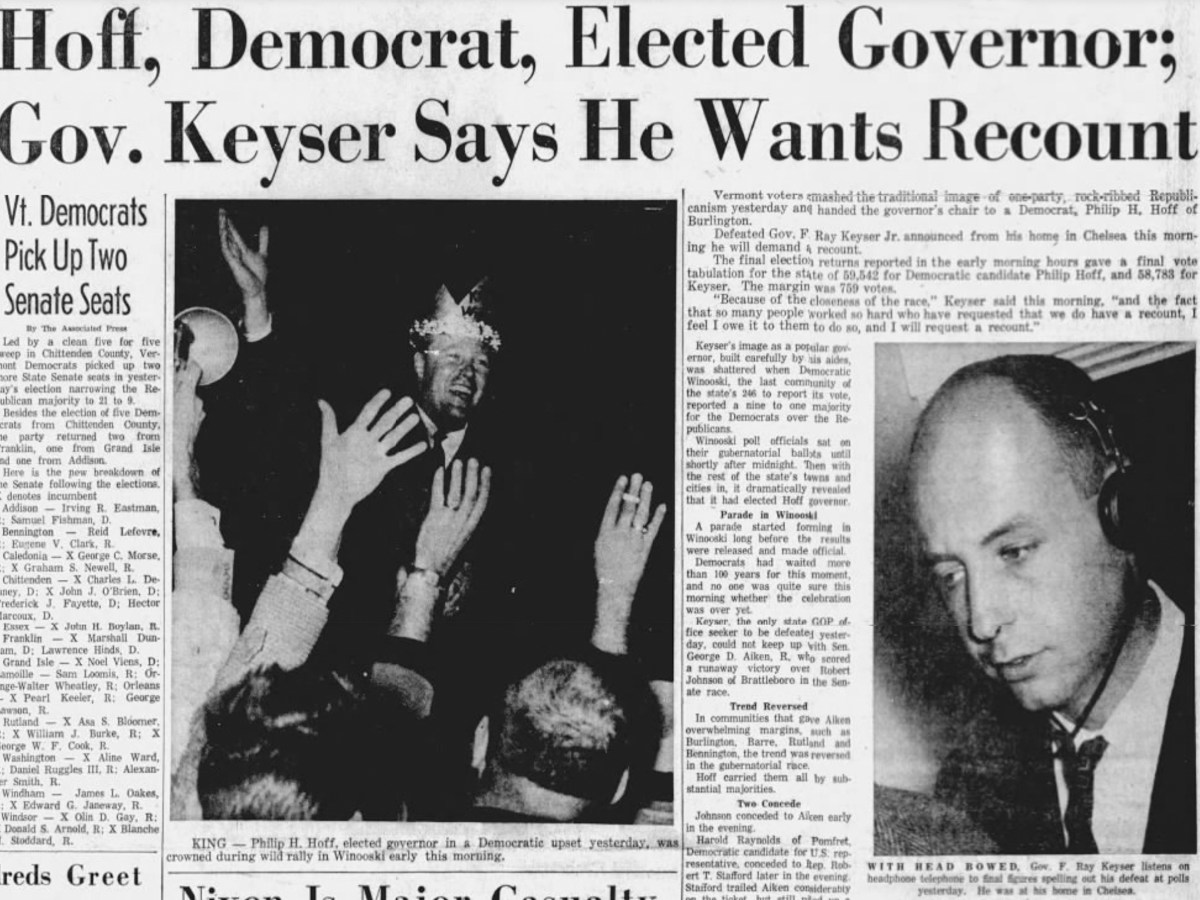
Then Again: Hoff overcame opponent and power of incumbency to make history
Vermont had such a long history as a Republican bastion that Democrats knew defeating even an unpopular governor would be a stiff challenge in 1962.
One more thing before you go: We hope you have found this resource valuable. Every election, VTDigger invests in guides like this so Vermonters can find reliable, nonpartisan information all in one place. We believe everyone deserves free access to trustworthy local news and voter resources, regardless of their ability to pay.
Creating and maintaining this guide takes months of reporting, fact-checking, data analysis and updates from our newsroom. It’s made possible by readers who choose to support our work.
If this guide helped you, please consider making a one-time or monthly contribution today. Your support keeps this resource — and all of VTDigger’s public service reporting — free for everyone.
