

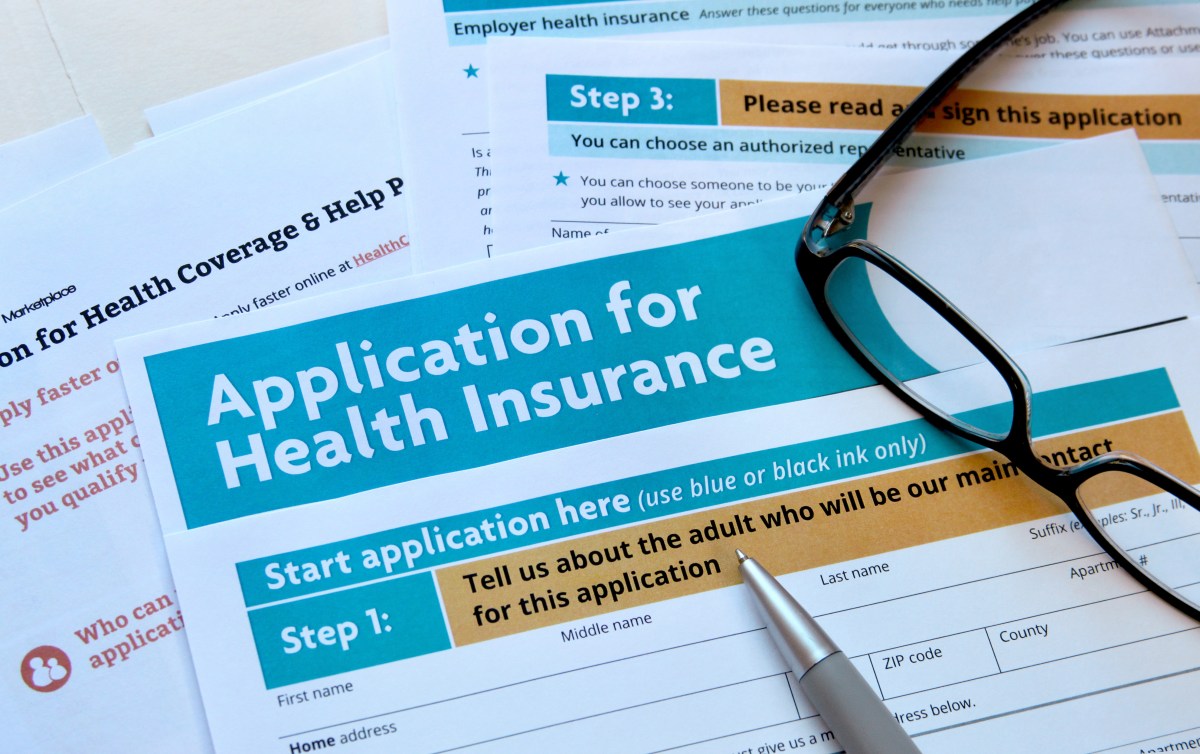
Subsidy shakeout
“A big change like this is like shaking up a snowglobe and seeing where everything lands,” Nolan Langweil, a principal analyst in the Legislature’s Joint Fiscal Office, told the House Health Care Committee on Thursday, as he ran them through the suite of shakeups the state can expect or is already seeing from the federal budget bill passed last summer, HR.1.
One of the biggest impacts comes in the form of what wasn’t included in the budget, Langweil said. Specifically, there was no extension of a tax credit that had made subsidies for those buying Affordable Care Act health insurance plans larger and more accessible for a wider income bracket.
That Covid-era expansion was set to end at the close of 2025. The subsidies’ pending expiration was a central point in the back-and-forth that led to the longest U.S. government shutdown in history. Yet, the subsidies’ sunset remained.
Those making more than 400% of the federal poverty line became ineligible for subsidies for their marketplace health insurance, and the amount the government subsidized shrank for everyone.
Now, more than four months into the year without subsidies, the effects in Vermont are becoming clear.
The overall enrollment in the Vermont Health Connect marketplace plans dropped by 2,358.
Compared with September of last year, there are 9,272 fewer people receiving federal subsidies. Of that, 6,216 people who currently buy plans from Vermont Health Connect receive no subsidies whatsoever (from the state or the feds). Last year that total was just over 1,600.
Because the state offers some subsidies, the expanded federal commitment, in 2021-2025, meant that the state didn’t have to pay anything to support some individuals. “We were actually saving state dollars as well. That’s a thing in the budget that a lot of people didn’t realize,” Langweil said.
Because the federal government oversees the subsidies, it’s hard for Langweil to say just how much federal money Vermont is no longer getting. But in January, Addie Strumolo, deputy commissioner in the Department of Vermont Health Access, estimated the loss of the subsidies amounted to a collective $72 million drop in federal funds for Vermonters.
While the loss of the subsidies is one of the most immediate impacts, HR.1 laid the groundwork for a number of changes to health care spending that lawmakers can expect to take effect after 2026’s midterm elections. That includes a massive reduction in how much the state can tax hospitals, which could significantly reduce the amount of federal matching dollars the state can receive.
Langweil also previewed the law’s set of Medicaid eligibility changes, cuts to coverage for non-U.S. citizens and temporary end to payments for Planned Parenthood. Also, he reminded lawmakers, the big buzzy Rural Health Transformation fund, which the state is set to receive $195 million from, is also a byproduct of HR.1.
All of HR.1’s components, be they obstacles or boons, are shaping the ways that lawmakers are navigating this session’s stated priorities on health care. The federal law changes the ways patients access and afford care, how hospitals can balance their budgets and how Medicaid covers its beneficiaries.
In the know
It’s not uncommon to hear people refer to an emergency at the Statehouse. Education! Health care! Affordability! But on Thursday, the building got a glimpse at the real thing. Around 10 a.m. the fire alarm blared through the Capitol, sending more than 100 lawmakers, lobbyists and Montpellier busybodies (present company included) sprawling onto the Statehouse lawn. Capitol police gave the all-clear and everyone was able to return before 10:30.
A malfunction with the elevator caused the alarm, according to the Sergeant at Arms’ Office.
— Olivia Gieger
House Speaker Jill Krowinski, D-Burlington, announced her appointment of Kate Webb to the State Board of Education on Thursday.
Webb has worked as a special educator and previously served as a state representative, chairing the House Education Committee for four years.
The state board helps make regulations governing Vermont’s education system, one of the key players in the field alongside the Legislature and the Vermont Agency of Education.
The state board could play a key role in the sweeping education reform efforts lawmakers are currently hashing out.
— Ethan Weinstein
Notable quotable
“I understand now clearly that she is an activist first and a prosecutor second.”
That was Public Safety Commissioner Jennifer Morrison referring to Chittenden County State’s Attorney Sarah George at the governor’s weekly press conference Thursday.
On Wednesday, George announced that she would not file charges against six protesters arrested at the South Burlington ICE raid last month. Soon after, Morrison issued a statement sharply criticizing George’s decision.
Police and protesters clashed during a daylong U.S. Immigration and Customs Enforcement raid at a Dorset Street house on March 11. ICE detained three people inside the house, whom federal judges have since released. The enforcement action was later found to have been triggered by a case of mistaken identity.
— Ethan Weinstein
