


The Chittenden County state’s attorney said Wednesday she will not charge six protesters arrested during a federal immigration raid in South Burlington last month, a decision that state police leaders condemned.
State’s Attorney Sarah George said in a statement that in making her decision, she analyzed the cases to find where the harm was and who contributed to it. “I see the purpose of prosecution to be, in part, to heal harm caused by the person being charged,” she added.
Police and protesters clashed during a daylong U.S. Immigration and Customs Enforcement raid at a Dorset Street house on March 11. ICE detained three people inside the house, whom federal judges have since released. The enforcement action was later found to have been triggered by a case of mistaken identity.
By the end of the standoff, six protesters were arrested — three by Vermont State Police and three by Burlington police — amid heightened tension on both sides in what was the first major enforcement action in Vermont during the Trump administration’s immigration crackdown. In making the arrests, police cited offenses including disorderly conduct and assault on a law enforcement officer.
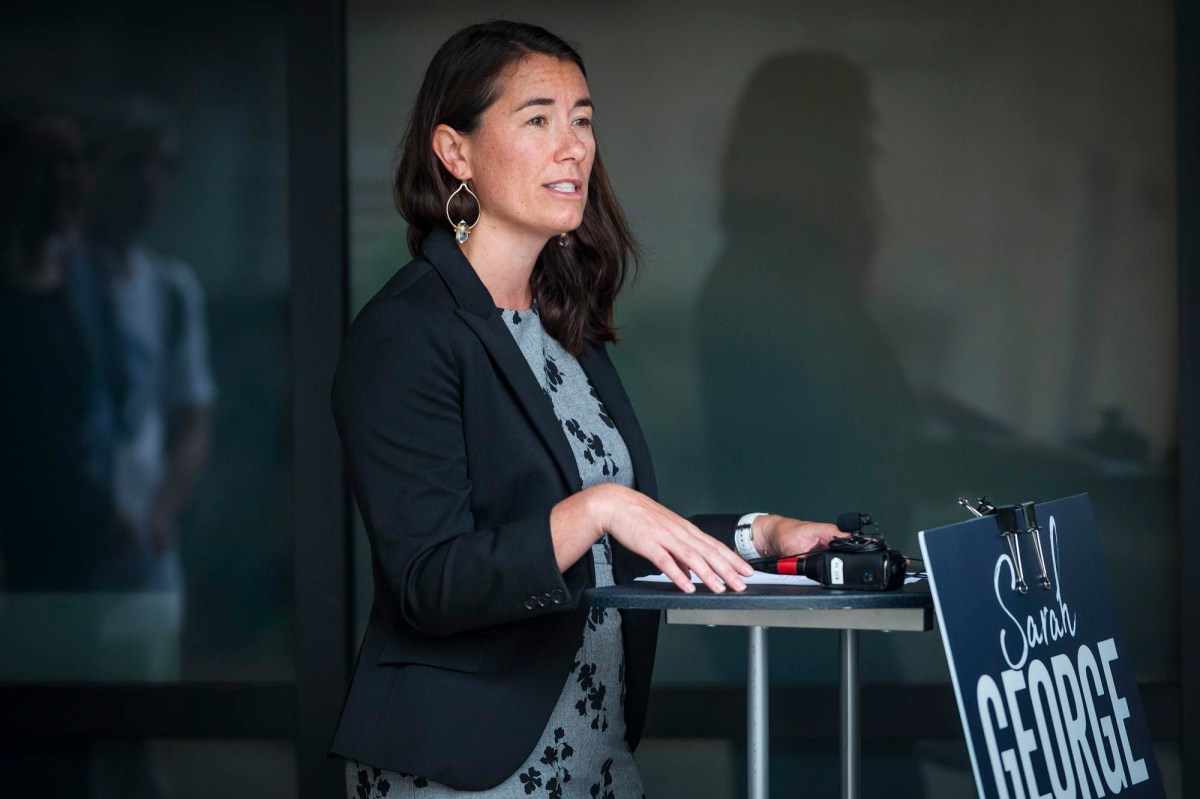
George said in the statement that she is confident that some protesters acted in ways that went “beyond civil disobedience into unacceptable and perhaps criminal behavior,” including the three people cited by Burlington police. She said she is also confident that there were some law enforcement officials “who agitated, who escalated, and who responded in a way that may be ultimately deemed legal, but was also unacceptable.”
“So to charge these six individuals with no criminal records, and expect that they bear the burden of all the harm caused that day — is not something I was interested in our office being a part of,” she wrote.
Vermont Public Safety Commissioner Jennifer Morrison and Vermont State Police Director Col. Matthew T. Birmingham said they took offense at the suggestion that state and local law enforcement bear equal responsibility with the protesters for criminal behavior on Dorset Street. They condemned George’s action as “a disheartening decision that sets a dangerous precedent.”
“Lawbreakers in Chittenden County already seemed to know they can act with impunity,” the state law enforcement leaders said in a statement Wednesday afternoon.
“The state’s attorney’s failure to bring charges in this matter is likely to embolden people at similar events in the future to cross the line into criminal behavior, placing the public and law enforcement at greater risk of harm,” the statement reads.
George pushed back against any narrative broadly casting the protesters as agitators and law enforcement as protectors as “all too familiar” and cited the civil rights movement.
“There was a time when Angela Davis, Martin Luther King, Rosa Parks, Malcolm X, John Lewis, Ella Baker, Fannie Lou Hamer — were all considered agitators, were arrested, some prosecuted, and painted as enemies of the State and criminals for standing up for civil rights in a way that was unpopular,” George said in the statement. “We must do better here.”
The Burlington Police Department acknowledged the harm the ICE incident has had on the community but also called for the rule of law to be upheld.
“Engaging in physical confrontations with law enforcement in the street is not protected speech or expressive conduct under the First Amendment,” said interim Police Chief Shawn Burke in an email Wednesday.
George referred the three Burlington cases to the Burlington Community Justice Center, which employs alternative restorative justice practices to handle precharge referrals instead of sending them to the court system. Burke said the Burlington Police Department will not participate in the restorative process, as is typical.
George also called for an independent review of the law enforcement response during the ICE raid. Immigration and social justice advocates allege that police actions that day violated the state’s policy on fair and impartial policing. State and South Burlington police insist they did not. The Burlington police are completing their review.
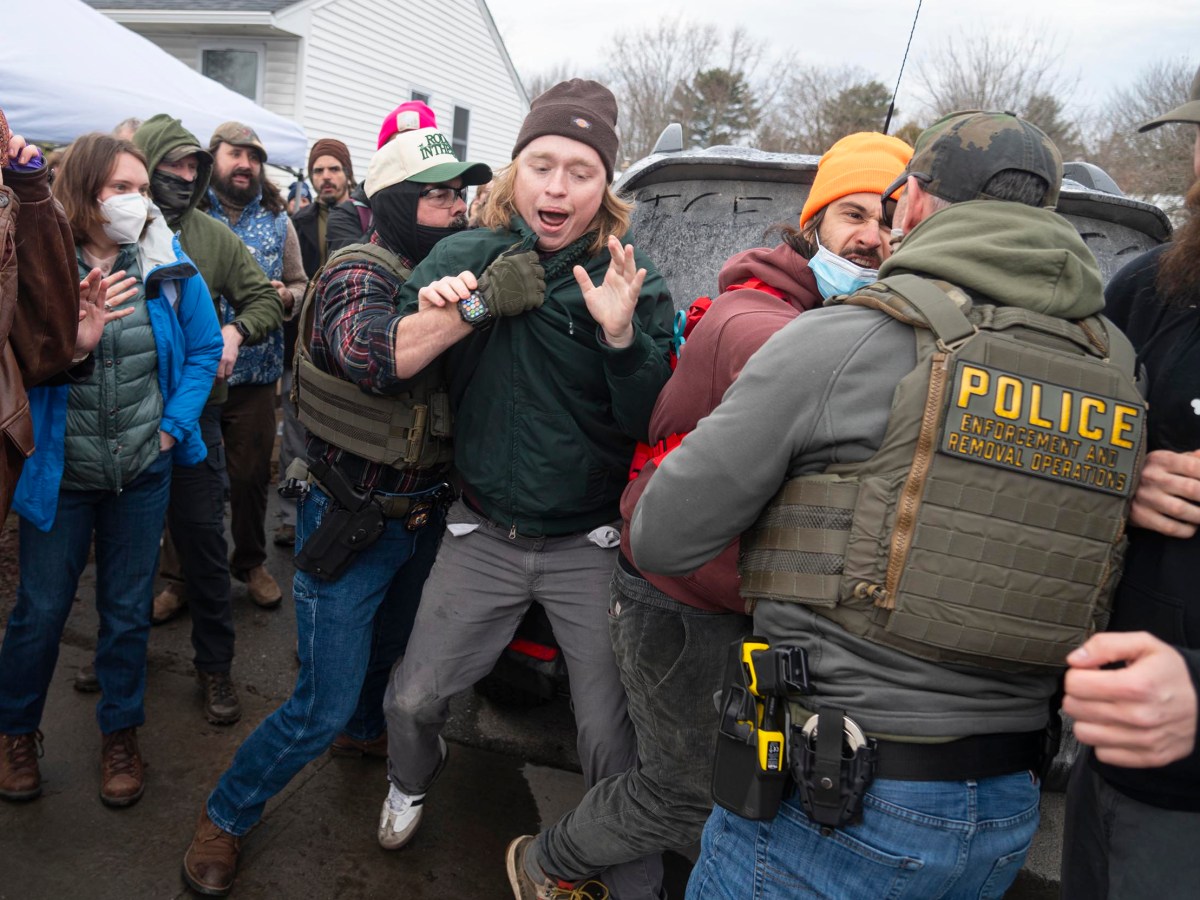
Public testimony at the Statehouse and before the Burlington City Council included multiple accounts of protesters’ being choked, pepper-sprayed and dragged by state and local police at the raid last month.
“We cannot in good faith present findings from an investigation about whether law enforcement violated any laws when those investigations were done by the law enforcement agencies whose conduct is being questioned,” George said in the statement.
Morrison and Birmingham took issue with her call for an independent assessment of law enforcement actions. “To impugn the ability of the police to conduct fair, thorough investigations directly undermines all the cases in the Chittenden County State’s Attorney’s Office, which relies on the investigative work of police departments each day to support every case the office is prosecuting,” they said in the statement.
Earlier this year, George chose not to charge a group of elderly residents who were cited by Vermont State Police for criminal trespass on Feb. 9 during a peaceful civil disobedience action in the lobby of a Williston business park that houses a major ICE surveillance center.
George is seeking her third full term in the 2026 election. She was first appointed to the position by Gov. Phil Scott in 2017. George has faced criticism for reducing cash bail, not pursuing certain traffic stop charges and expanding restorative justice — moves that her critics say are too soft on crime and that her advocates applaud as being humane.
