

This commentary is by Justin Neuman, a professor of literary studies at Eugene Lang College, The New School.
I grew up in Wilmington, a ski town not far from two nuclear power plants. In southern Vermont, everything is just over the next hill and down another valley. You could drive past both plants your whole life and never know they were there. Background infrastructure for a region that worked.
Both are gone now. Vermont Yankee went dark on Dec. 29, 2014. At its peak, it generated 620 megawatts and provided roughly 35% of the state’s electricity. Today, the reactor building has been cracked apart by heavy machinery, and the rubble has been shipped to Texas in railcars. What remains in Vernon is a cleared lot, 58 casks of spent fuel with nowhere to go and a small town waiting to find out what happens next.
I have a proposal: Build a next-generation small modular reactor on that site. Co-locate a data center. Bring the jobs, the tax base and the clean energy back to a region that’s been bleeding all three for a decade. Vernon still has grid interconnection, transmission corridors, cooling water from the Connecticut River and a Nuclear Regulatory Commission file going back 40 years. Every hyperscaler in America — Microsoft, Amazon and Elon Musk’s xAI — is hunting for exactly this kind of site.
Vermont shut down its largest power source and mandated 100% renewable electricity by 2035. We don’t need to wait that long to see the results. Vermonters pay roughly 22 cents per kilowatt-hour for residential electricity, nearly 33% above the national average and among the highest rates in the country, and according to the Vermont Department of Public Service, rates are projected to climb another 25% by 2030.
The consequences cascade. Skiing is a $1.6 billion annual industry in Vermont, and electricity is one of its highest operating costs. Air compression for snowmaking alone accounts for more than half of a typical resort’s electricity consumption. Cheap, reliable, carbon-free power isn’t an abstraction here. It’s the difference between a ski season that works and one that doesn’t.
Gov. Phil Scott understands this. He was one of only four state senators who voted for Vermont Yankee’s relicensing back in 2010. In January, he threw his weight behind H.601, a bill that would repeal the legislature’s veto power over new nuclear construction and open the renewable energy standard to include nuclear.
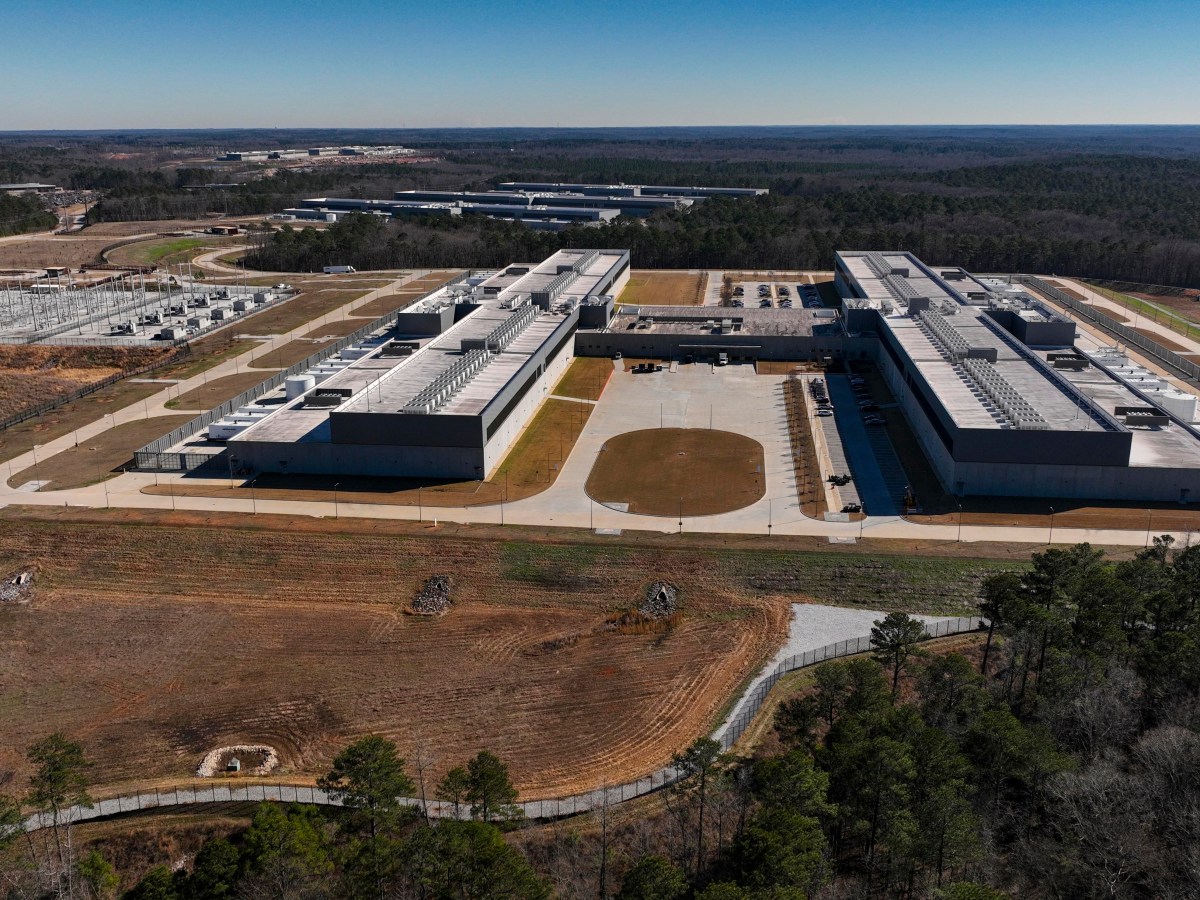
Meanwhile, something extraordinary is happening in American energy. The boom in artificial intelligence has created a power crisis that looks, from Vernon’s perspective, like an enormous opportunity. Data centers require massive, uninterrupted, carbon-free electricity. Every hyperscaler in the country is hunting for sites with grid interconnection, cooling water, transmission corridors and communities that understand what it means to live near a reactor.
Vernon has all of it. The town is about to inherit the cleared Vermont Yankee site for redevelopment. The Connecticut River provides cooling water. The transmission infrastructure is in place. The Nuclear Regulatory Commission has decades of institutional knowledge of the location. And the people of Windham County already lived alongside a reactor for 40 years.
If this sounds like fantasy, look at Virginia. In Loudoun County, data centers bring in an estimated $890 million a year in tax revenue, nearly matching the county’s entire operating budget. It has allowed Loudoun to lower its real property tax rate every year for a decade. Nobody in Vermont can say that about anything.
Vermont doesn’t need to become Loudoun County. But even a fraction of that engine would be transformational for Windham County. A data center campus means thousands of construction jobs over multiple years, followed by hundreds of permanent positions in operations, information technology, facility management and security, many of which don’t require a four-year degree. This isn’t a fulfillment warehouse. It’s the kind of skilled, well-paying work Vermont used to be known for, back when Vermont Yankee employed 600 people in Vernon.
Sen. Bernie Sanders has introduced legislation calling for a federal moratorium on data center construction. But a moratorium is not a policy. It’s a confession that you don’t have one. The man who built a career championing the working class wants to prohibit the construction of facilities that would bring thousands of jobs to a region that has never replaced the jobs and tax base lost when Vermont Yankee closed.
I grew up next to a nuclear plant, but I’d rather my kids grow up next to a data center. Let’s build it in Vermont so more of the money stays in Vermont. Let’s build it in Bernie’s backyard — and mine.
