


[D]emocratic senators have made quick work in reappointing Senate leaders to serve for another two years.
The Senate Democratic caucus gathered for 15 minutes in the Statehouse Saturday to elect its majority leader, assistant majority leader, and to back candidates for Senate president pro tem and third member of the committee on committees.
The incumbents for each of those positions faced no opposition in their bid for re-election and were re-appointed by unanimous voice vote.
Sen. Becca Balint, D-Windham, will serve as majority leader for another two years with Sen. Mark MacDonald, D-Orange, as her assistant.

Sen. Tim Ashe, D-Chittenden, is the Democrat’s selection for Senate president pro tem, a position he first won in 2016. Sen. Dick Mazza, D-Grand Isle, was selected to be the third member on the committee on committees, which selects legislative committee chairs.
Ashe and Mazza will need approval from the full Senate. Democrats hold 24 of 30 seats in the chamber, making the party’s selections all but final.
There are a few fresh faces in the Democratic caucus, which expanded by one seat during this month’s election thanks to a win by Cheryl Hooker in Rutland, who replaces longtime Sen. Peg Flory, a Republican.
Andrew Perchlik won a seat in Washington County that was vacated by Francis Brooks and Ruth Hardy will replace Claire Ayer, whose retirement opened up a seat in Addison County.
The four senators who won reappointment gave brief speeches after each vote. MacDonald wryly reflected on what exactly the senators were supposed to do in the Statehouse.
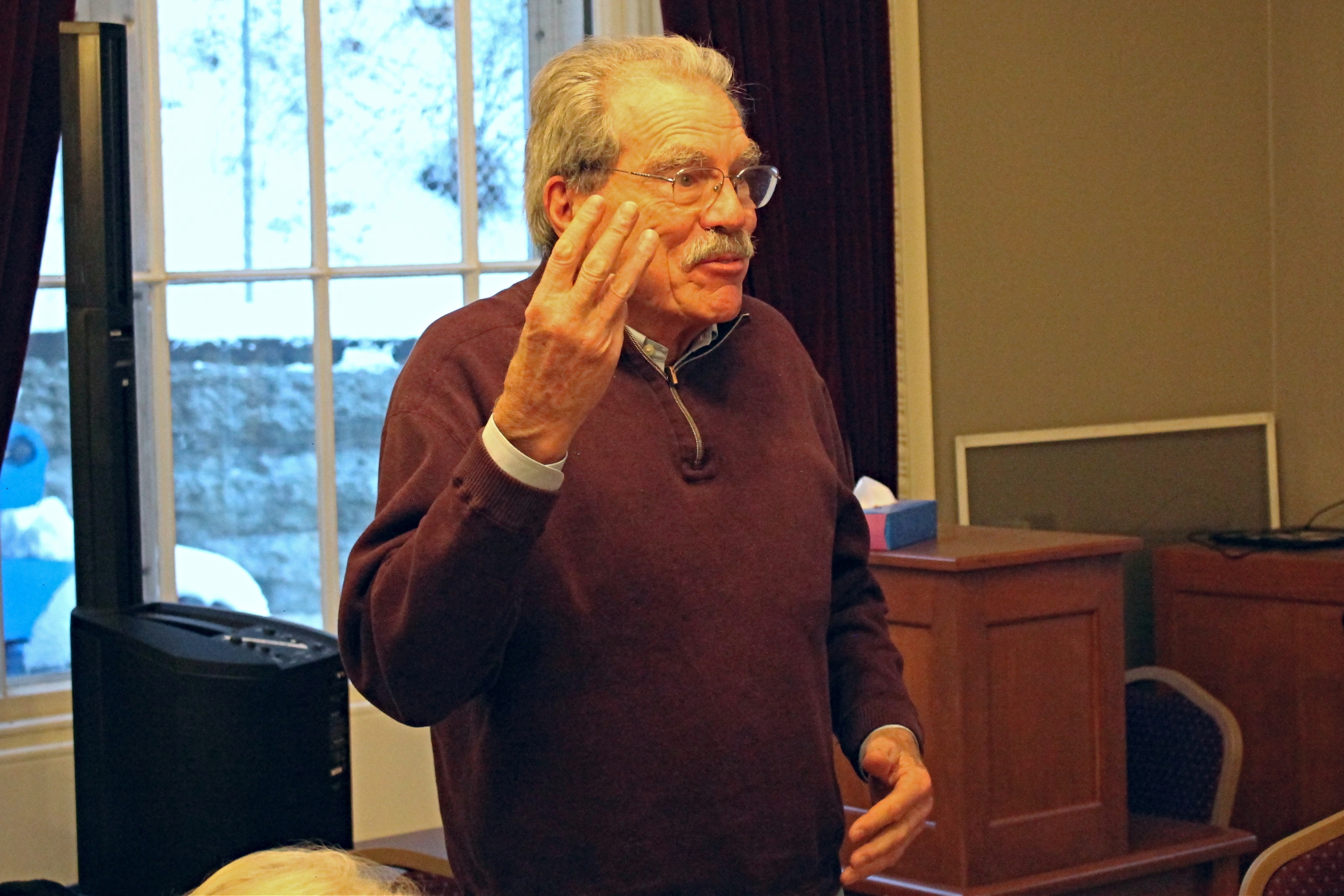
“I was asked several times on the campaign trail what you actually do in the Legislature,” he said. “We tax, we spend and we regulate, all three of which have been deemed to be unpopular activities.”
While Vermonters gave Democrats resounding wins in the Senate and the House, where they now hold supermajorities, they also voted Republican Gov. Phil Scott back into office with a comfortable margin.
Ashe said the increased numbers in the Legislature would change the dynamics with Scott, but warned against the assumption that Democrats would move forward as a united block in overriding Scott’s vetoes simply because of their party affiliation.
“It will be different on a case-by-case basis, because so many bills, while they might be able to pass the Senate and the House, getting to 100 votes in the House is a different challenge,” he said.
The Democratic caucus in the House and Senate will meet in the next few weeks to officially set their policy agendas for the upcoming session, which starts no later than Jan. 9.
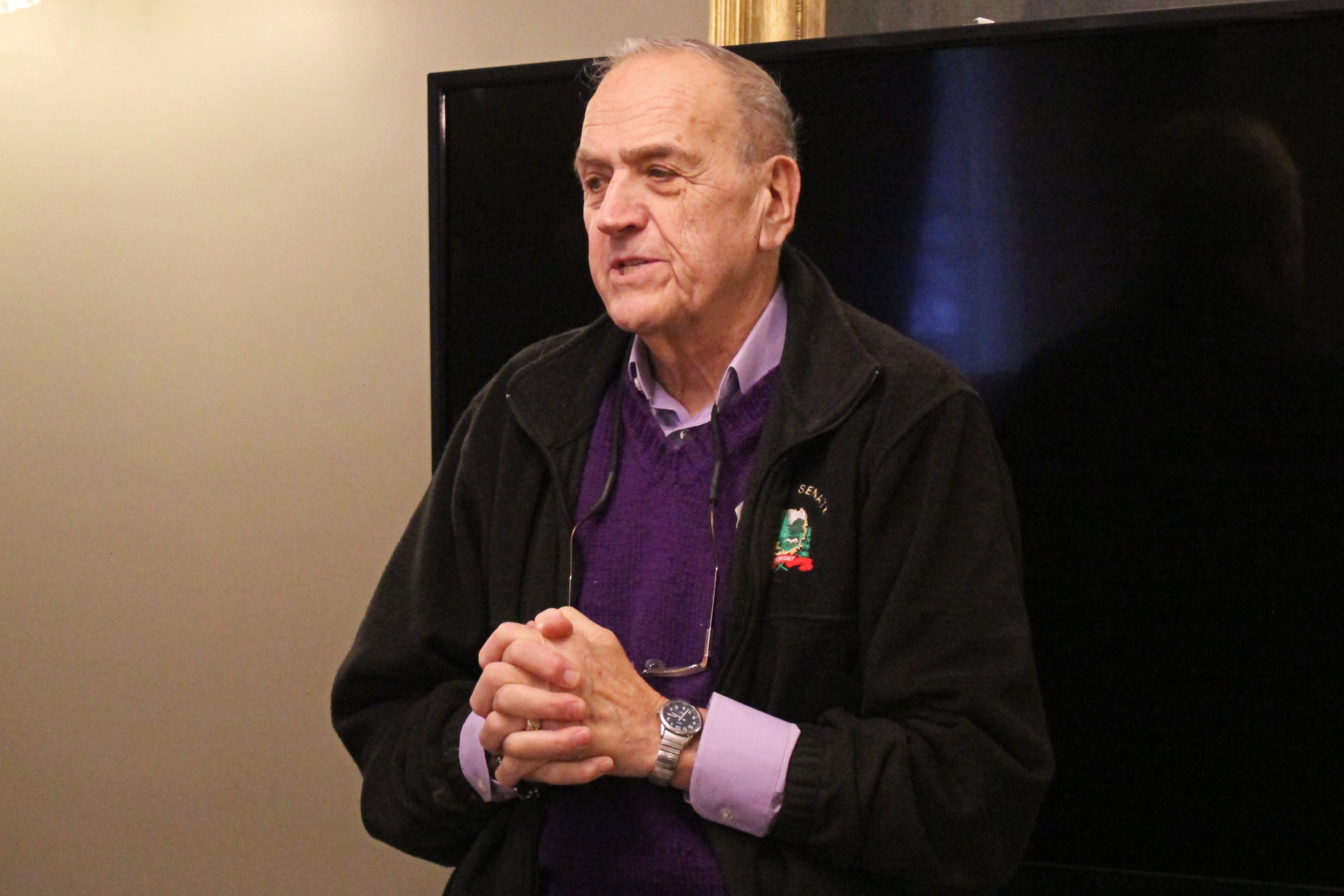
Ashe said the broad priorities would include rebuilding the state’s human services system, fostering economic development in rural communities, managing spending on education and advancing environmental protection measures such as long-term funding for cleaning up the state’s lakes.
He said another message from voters was the importance of bipartisan collaboration in Montpelier, as a sort of antidote to the partisan rancor in Washington.
“We definitely heard over and over again, that they want people to try and solve problems together,” Ashe said. “So that really touches on all issues.”

