

This commentary is by Al Vigier, the chief executive officer of Caseway, an artificial intelligence company that co-creates products with large enterprises and shares the revenue with them.
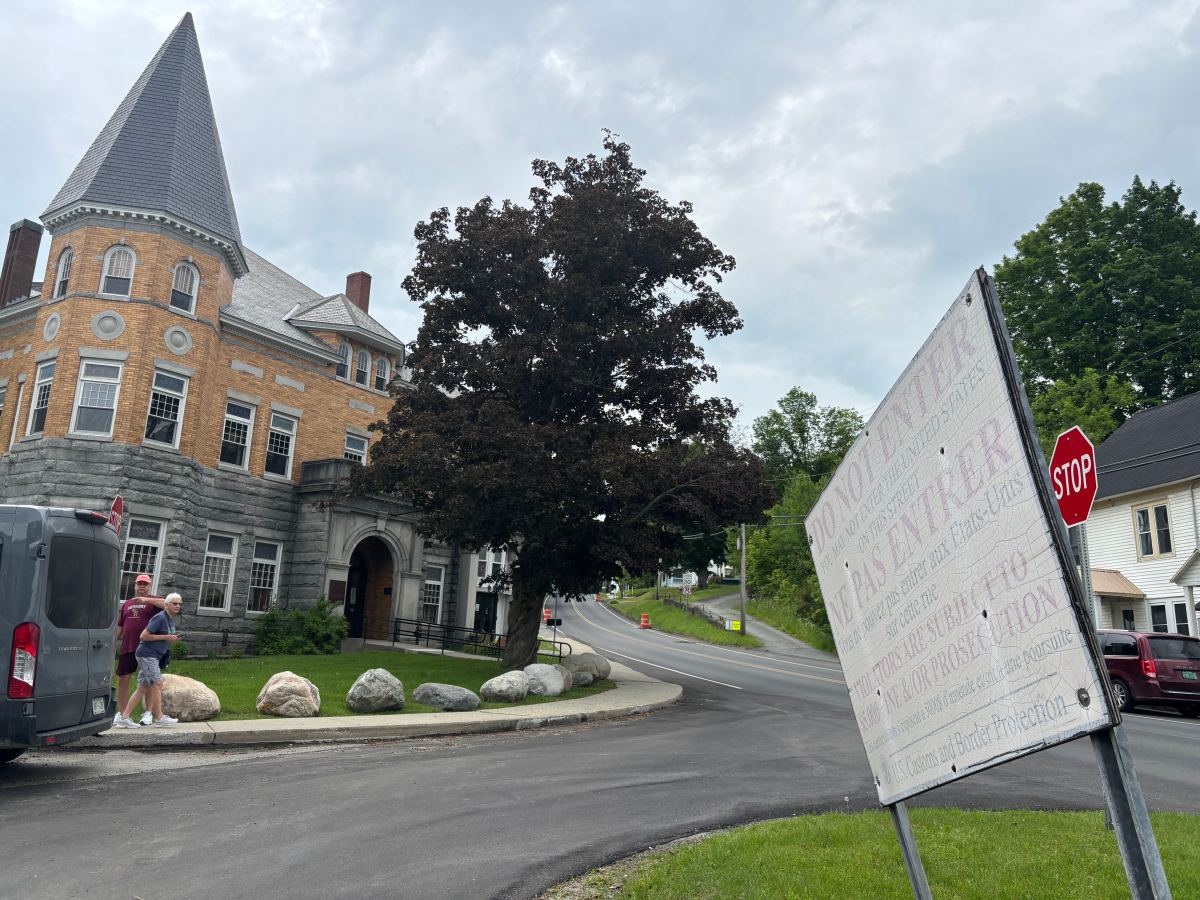
At the Haskell Free Library and Opera House, the border between Vermont and Quebec runs through the reading room. For more than a century, Canadians could walk along a short sidewalk to the front door in Derby Line. Since October 2025, that sidewalk has been closed to most users, except people with reduced mobility. Canadians now use an entrance on Church Street in Stanstead. The library still serves both communities. Getting there has become more complicated.
I run Caseway, a 15-person AI company in Vancouver, British Columbia. We’re a long way from Derby Line, but I recognize the problem. On Sept. 22, we gave up a place in a Canadian government accelerator in Silicon Valley. We were one of eight companies selected from 137 applicants. For a business our size, turning down meetings with potential customers was a difficult call.
We also had to look beyond those meetings. Washington has imposed 50% tariffs on selected Canadian goods and declined to extend the United States-Mexico-Canada Agreement, although the agreement remains in force. It has also directed federal officials to remove Canadian products from the General Services Administration’s purchasing schedules. That makes it harder to plan an American expansion.
Our two large American customers are staying. We’re directing new growth toward Canada, Europe and Taiwan. We sell software to defense and regulated customers, and we need some confidence about the conditions we’ll be working under.
I don’t need to explain to Vermonters why the Canadian relationship matters. Families and businesses along the border live it. What may be less visible is how companies make decisions while that relationship is under strain.
A canceled ski trip can be rebooked. A business expansion takes longer to undo. Once a company has hired people, signed a partner and learned a new market, it has reasons to keep investing there. Better relations with Washington would be welcome. They wouldn’t erase the work already done elsewhere.
There are opportunities worth pursuing. Canada’s agreement under Europe’s Security Action for Europe defense financing program gives eligible Canadian suppliers access to joint procurement. Taiwan is seeking international partners in its drone industry. We have reasons to spend time in those markets beyond our frustrations with the United States.
Gov. Phil Scott has been clear about his opposition to punitive tariffs on Canada. In July, he warned about the costs to Vermonters and called for stronger economic and cultural ties. From this side of the border, that matters.
Vermont’s congressional delegation can keep pressing for the tariffs and federal procurement restrictions on Canadian products to be reversed. Local employers can help make the case by explaining what these policies mean for their costs, suppliers and plans to grow.
State officials can also use Vermont’s relationship with Quebec. The two governments already cooperate on practical problems, including reducing phosphorus pollution in Missisquoi Bay. Business introductions, clear information about procurement opportunities and regular meetings with small companies would give that relationship more everyday value. A company weighing its next market needs someone who can answer its questions and make a useful connection.
The communities around the Haskell have found a way to keep sharing their library. Vermont can bring that same effort to its Canadian business ties. Policy may improve. By then, some companies will have committed their next few years elsewhere. The time to stay in touch is while those decisions are still being made.

