

This commentary is by Latimer Hoke, a paramedic and ski patroller in northern Vermont.
I work as a paramedic. It would be pretty difficult to do my job remotely, what with carrying patients, starting intravenous lines and administering medications. Similar story for plow truck drivers, police and corrections officers, teachers, cooks, delivery drivers, mechanics and many other jobs that require a physical presence. But some jobs can and should be performed remotely.
The recent pandemic illustrated that a job that can be completed with equal or greater efficiency without maintaining a central office space should be performed remotely. Maintaining unnecessary centralized office space is wasteful. Much of the private sector has embraced this reality.
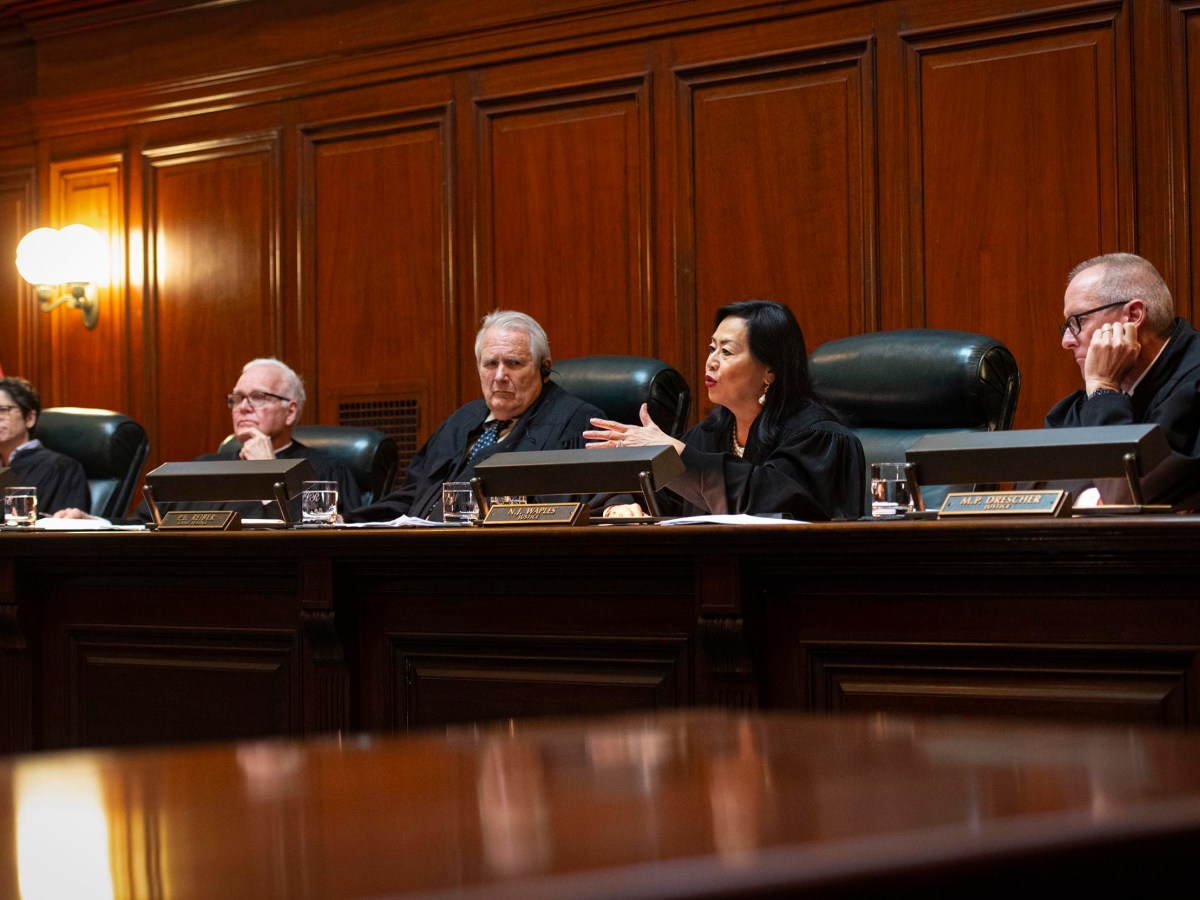
Gov. Phil Scott demanded that all Vermont state employees return to the office at least three days a week. The Vermont Supreme Court just gave Scott his lollipop. Cool. The governor can take the win over the Vermont State Employees’ Association, but there are many problems with forcing this return to the office fully six years after much of Vermont’s state workforce retreated to home.
Many state employees were hired remotely after the pandemic and have never even lived in Vermont; presumably they’re doing a fine job wherever they are. Similarly, some remote state employees have since left Vermont because it’s too expensive to live here. Others have moved within the state and no longer live within commuting distance of their assigned offices. For remote employees hired in the last six years, this isn’t a return to the office, but a demand to start working in a state office.
And about those offices? Yeah, some of them don’t exist anymore. With the recent consolidations, there simply isn’t room for everyone to return to the office. Someone who was originally hired to work in Burlington may now need to commute to Waterbury or Montpelier.
This requirement will decrease the quality of life for those who can commute and for their families. They’ll have less time with family and less money with all of the expenses that come with commuting, including the priciest gas in years and salty goop that melts cars. Those who cannot commute may need to quit.
Forcing a return to the office may well cost Vermont’s taxpayers more money with the purchase or rental of office space, and hiring new employees to replace those who inevitably cannot afford to move close enough to their newly assigned offices.
Unless Scott plans to eliminate the many layers of Vermont bureaucracy — that’s an essay for another day — I find it hard to believe that we can afford to lose everyone who will have to resign.
For those complaining along the lines of, “But I have to commute to work; so should everyone else,” I hear you, but you sound like a whiny toddler. I also have to go to work, but that’s because I want to do work that requires my physical presence. Frankly, I’d go insane with any job that can be done remotely, but if you want to work from home, what’s stopping you from finding a remote job?
I’m truly grateful for all of the people who can tolerate doing computer- and phone-based work from home, or from anywhere. Scott still has a chance to show some appreciation for our remote state workforce and for taxpayers.

