

This commentary is by Matt Swenson, the founder of Omnidex Solutions, an independent research and strategic analysis company. He lives in Vermont.
Burlington’s latest outbreak of violence should prompt a broader discussion about the city’s public safety system, not simply another debate over gun laws.
Over a single weekend, Burlington police investigated a fatal stabbing, a second stabbing, gunfire following an argument and the alleged accidental discharge of a firearm downtown. In a separate daytime incident, three juveniles allegedly attacked a man with a knife near the bike path. These events involved different weapons and circumstances, but together they suggest weaknesses in Burlington’s ability to deter dangerous behavior and intervene effectively when it occurs.
Mayor Emma Mulvaney-Stanak responded by renewing calls for stronger gun laws, including prohibiting firearms in establishments serving alcohol. These proposals may be well-intentioned, but they address only one part of a larger problem.
Reckless endangerment, assault and unlawful discharge of a firearm are already crimes in Vermont, as is carrying a weapon with intent to injure. People carrying weapons while committing other crimes are unlikely to be deterred by another ordinance. Additional restrictions will be followed primarily by people who already obey the law, while having less effect on those creating the danger.
The fact that several recent attacks involved knives illustrates the limitations of concentrating mainly on firearms. Burlington appears to be facing broader problems involving enforcement, detention, treatment and institutional capacity.
The alleged juvenile attack is particularly concerning. Having worked with juvenile offenders involved in nearly every level of felony conduct, I have seen the difference between a young person who can be redirected and one who presents an immediate danger to others. Treatment and rehabilitation should remain central goals, but they may not always be a viable substitute for secure custody when public safety is at risk.
Vermont closed the Woodside Juvenile Rehabilitation Center in 2020 and has never established an adequate replacement. The state is now proposing a locked 14-bed Green Mountain Youth Center in South Burlington. Fourteen beds may not be sufficient if Vermont intends to stop placing juveniles accused of serious or repeated violence in caregiver-style facilities that were not designed or staffed to contain them securely.
Vermont should explore establishing a larger secure juvenile corrections facility supported by personnel specifically trained as juvenile corrections officers. It should be capable of providing secure detention while also offering clinical care, education and meaningful rehabilitation. Treatment and security need not be competing objectives.
The Burlington Police Department is unlikely to restore its former staffing strength quickly. The city could temporarily supplement police coverage with qualified armed security officers on selected streets and in parks and commercial areas. This could provide a visible public safety presence while the department rebuilds.
The city should also consistently enforce conduct-based public space rules addressing threats, obstruction, open drug use and aggressive harassment. Residents should be able to use public parks without navigating discarded needles, drug activity or threatening behavior. Enforcement should focus on conduct rather than poverty or housing status, while recognizing that public spaces must remain accessible to the entire community.
Burlington’s approach to harm reduction also deserves careful evaluation. Howard Center previously distributed syringes and smoking pipes intended for crack cocaine or methamphetamine use before discontinuing the practice. Supporters argue that these programs reduce infections and help maintain contact with people who might eventually seek treatment. Those goals should be considered alongside the effects on surrounding neighborhoods.
Publicly funded nonprofits should report measurable outcomes, including how much material is recovered, how many people enter and remain in treatment, and whether surrounding areas become safer. Harm reduction should be one component of a larger strategy, not a substitute for treatment, public order or accountability.
Enforcement alone will not repair Burlington. Vermont also lacks sufficient inpatient psychiatric and substance-use treatment capacity. Chittenden County should examine building a second, smaller hospital in Williston or Colchester, including a full-service emergency department and approximately 100 psychiatric and substance-use treatment beds.
This would give residents an alternative to the congestion, limited parking and public disorder encountered when seeking emergency care at the University of Vermont Medical Center. The facility could provide routine emergency medicine, acute psychiatric care, substance-use stabilization and longer-term behavioral health treatment.
Vermont should solicit proposals from experienced nonprofit hospital systems capable of recruiting clinicians and developing modern treatment infrastructure. A second emergency department would also reduce pressure on UVM Medical Center rather than routing nearly every serious medical or psychiatric emergency in the county through one congested location.
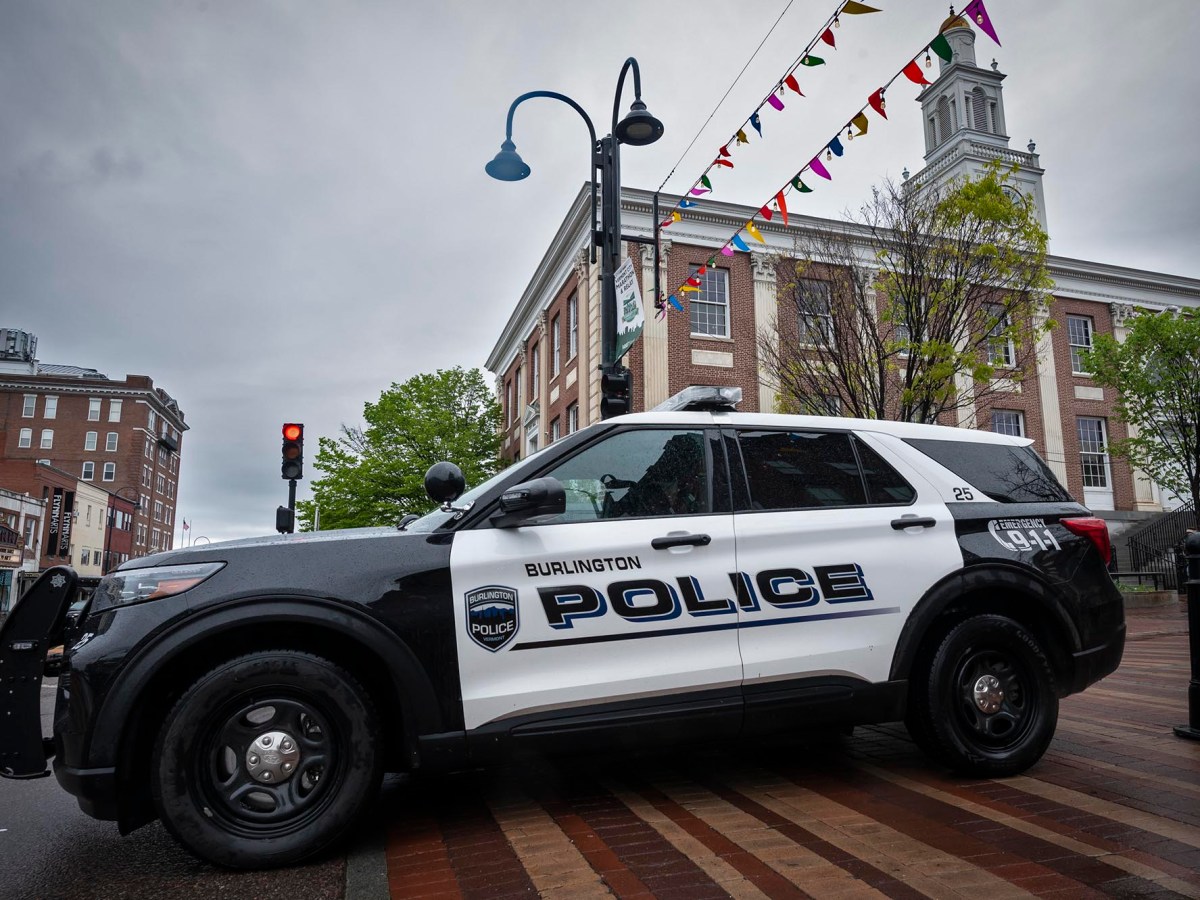
Such a facility would require substantial investment, but Vermont is already paying for its lack of capacity through overcrowded emergency departments, repeated police calls, correctional placements, homelessness and victimization.
The state’s economic stagnation and difficulty modernizing essential systems cannot be separated from these issues. A state that struggles to build housing, recruit doctors, retain police officers and develop effective institutions will eventually see its social systems deteriorate.
Burlington needs a balanced response: secure juvenile detention, trained juvenile corrections officers, greater medical and psychiatric capacity, measurable standards for publicly funded programs, temporary security support where police coverage is inadequate and stronger coordination from state government.
New gun laws may be part of the political discussion, but they will not correct the broader institutional limitations contributing to Burlington’s public safety problems.
