

Vermont plans to build a permanent locked facility for young people involved in the state’s justice system in South Burlington, the state announced this week.
The 14-bed facility, called the Green Mountain Youth Center, would hold youth ages 12 through 18, according to an announcement from the Vermont Department for Children and Families.
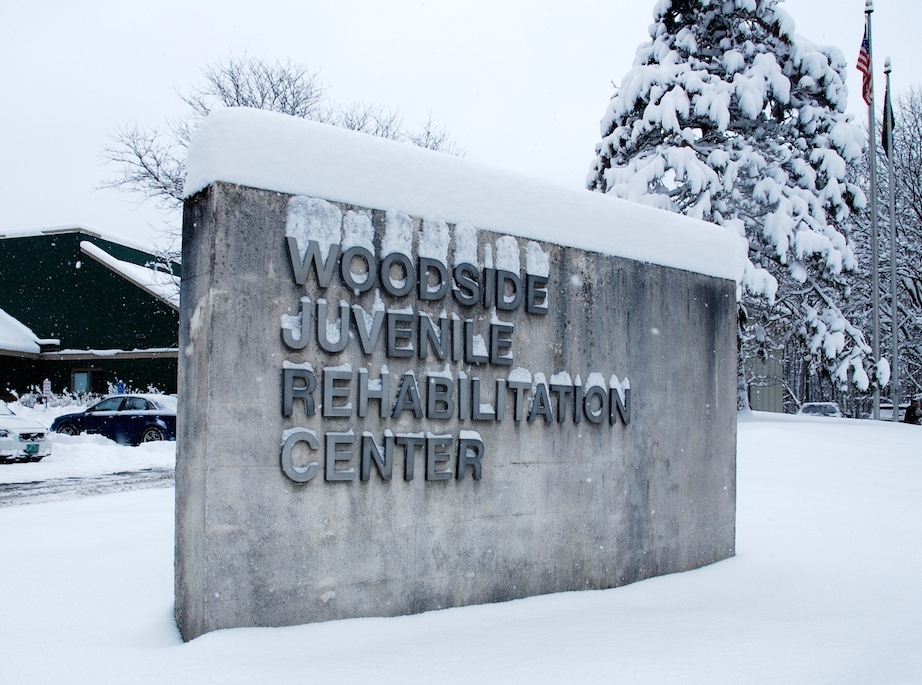
The new facility aims to permanently replace the scandal-plagued Woodside Youth Rehabilitation Center in Essex, which closed in 2020 amid allegations of staff abuse. In 2023, the state agreed to pay $4.5 million to settle a lawsuit brought on behalf of seven youth over use of force at the facility.
The state has said the new facility will take a more therapeutic approach and fill a gap in Vermont’s existing juvenile justice system. It will provide youth with a “highly structured, intensive clinical setting,” according to the department’s release.
The permanent facility is slated to have an eight-bed crisis stabilization unit for youth awaiting trial and a six-bed residential treatment program for youth who have gotten a court decision, the release said.
Meanwhile, Matthew Bernstein, the state’s child, youth and family advocate, said the state’s messaging is disingenuous.
“This is a detention facility,” Bernstein said.
Despite the announcement, building the South Burlington facility might not be so simple. The state has fumbled two different bids to build the facility in two years after running into zoning obstacles and opposition from residents in both Newbury and Vergennes.
While plans for a permanent facility were up in the air, the state opened a temporary facility in Middlesex in 2024. That four bed facility, Red Clover Treatment Center, was built as a short-term stopgap. But now the state has depended on it for longer than expected, raising concerns about the space’s limitations.
With the state’s latest plan for a permanent facility, Bernstein said he takes issue with the state’s model. He worries the facility is too big for the state’s needs and will steer money in the wrong direction.
“Our concern is that there’s still vastly insufficient investment upstream,” Bernstein said. State money could be better spent on, for example, at-home programs that provide kids and their families with therapeutic and behavioral support, he said.
Earlier interventions could prevent kids from ending up in state custody, according to Bernstein.
“A facility like this is the failure of other interventions,” he said.
Before the state can open the permanent facility, it has a long road ahead.
Officials are still in the early planning stages and expect to begin the permitting process later this year, the department’s announcement said. If all goes as planned, the state said it could begin construction in the spring of 2027 and have the facility running by the summer of 2028.
The state plans to build the facility on Meadowland Drive, a short dead-end road off of Route 116, south of Burlington International Airport.
“We’ve been working to identify a location that offers the right balance of access to critical supports, infrastructure, and community partnership, and we believe South Burlington provides that opportunity,” Sandi Hoffman, the department’s commissioner, said in the release.
Paul Conner, director of planning and zoning for South Burlington, said he had a preliminary conversation with state officials but has not received a formal application.
The parcel sits in the city’s industrial district, where the facility would be allowed under local regulations, Conner said. If the state applies, the South Burlington Development Review Board would hold a hearing and take public input, but its job is to decide whether the design complies with those regulations, he added.
Earlier this year, Vermont also inked a five-year contract worth $21.5 million for a Brattleboro facility that’s designed for youth in crisis situations or who have intense needs. The state contracted with the Pennsylvania company Cornell Abraxas Group, which has faced allegations that its staff mistreated youth in their care, to run the three-bed facility.
As long as the state lacks a permanent place to hold youth, it will continue to rely on Red Clover.
When Red Clover is full, the state may hold youth in adult prisons or send them to facilities out of state. One strength of Red Clover is that its small size allows for close attention and care, Bernstein said. But it’s still a detention facility, he added.
“This is not a place where anybody should grow up, right?” he said.