

Theo Wells-Spackman is a Report for America corps member who reports for VTDigger.
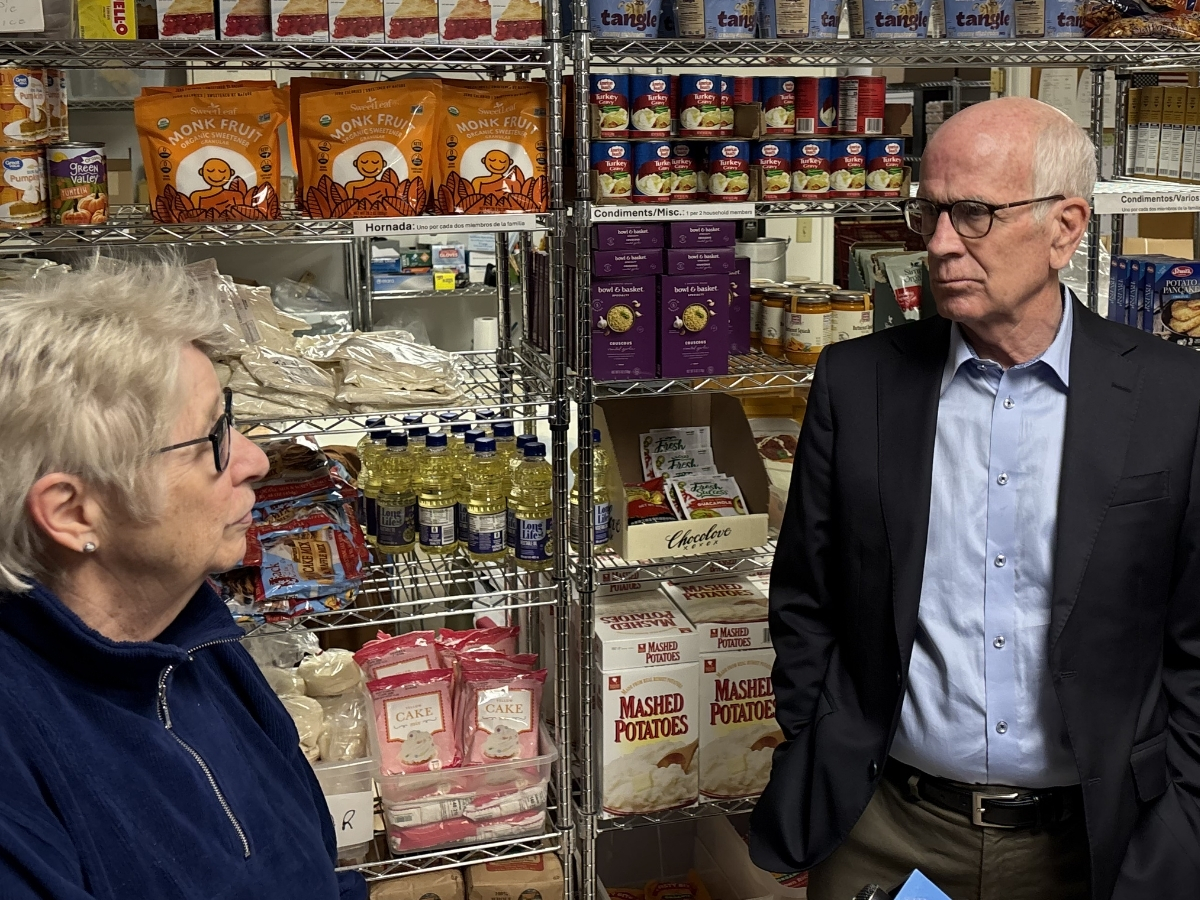
MIDDLEBURY — In a visit to Addison County’s largest food shelf Wednesday, U.S. Sen. Peter Welch, D-Vt., emphasized the importance of what he called a “battle” over food assistance in Washington, D.C.
“Traditionally, we’ve had bipartisan support for nutrition programs, and that’s fractured,” Welch told reporters after a tour of Helping Overcome Poverty’s Effects, or HOPE. “Democrats have made it very clear that we will oppose further cuts in nutrition because it could make the work of this food shelf even more difficult.”
The Republican-led federal budget law that passed last July has tightened restrictions for the Supplemental Nutrition Assistance Program, or SNAP, the nation’s largest source of food aid. New work requirements for the program affected thousands of Vermonters in March, and many legally present noncitizens lost access to the program last fall under new eligibility rules.
Welch said that as federal cuts to benefit programs meet rising prices — partly as a result, he said, of President Donald Trump’s tariff policies and the war with Iran — more Vermonters will struggle to meet their basic needs. And the Pentagon’s demands for increased military spending to support the war effort show an imbalance of priorities, he added.
“This is all about the affordability crisis,” Welch said. “If you’re working hard, you should be able to pay your bills.”
Jeanne Montross, the executive director of HOPE, said that price increases anywhere are felt acutely by the people her organization serves.
“Everybody decides where to put their limited money, whether they pay the rent or they make a car payment or they fill up their gas tank or they buy sufficient groceries,” she said. “We try to be here to fill in whatever gaps that people have got.”
Traffic has ticked up about 15% since late winter, Montross said, with the food shelf currently serving about 1,000 people per month.
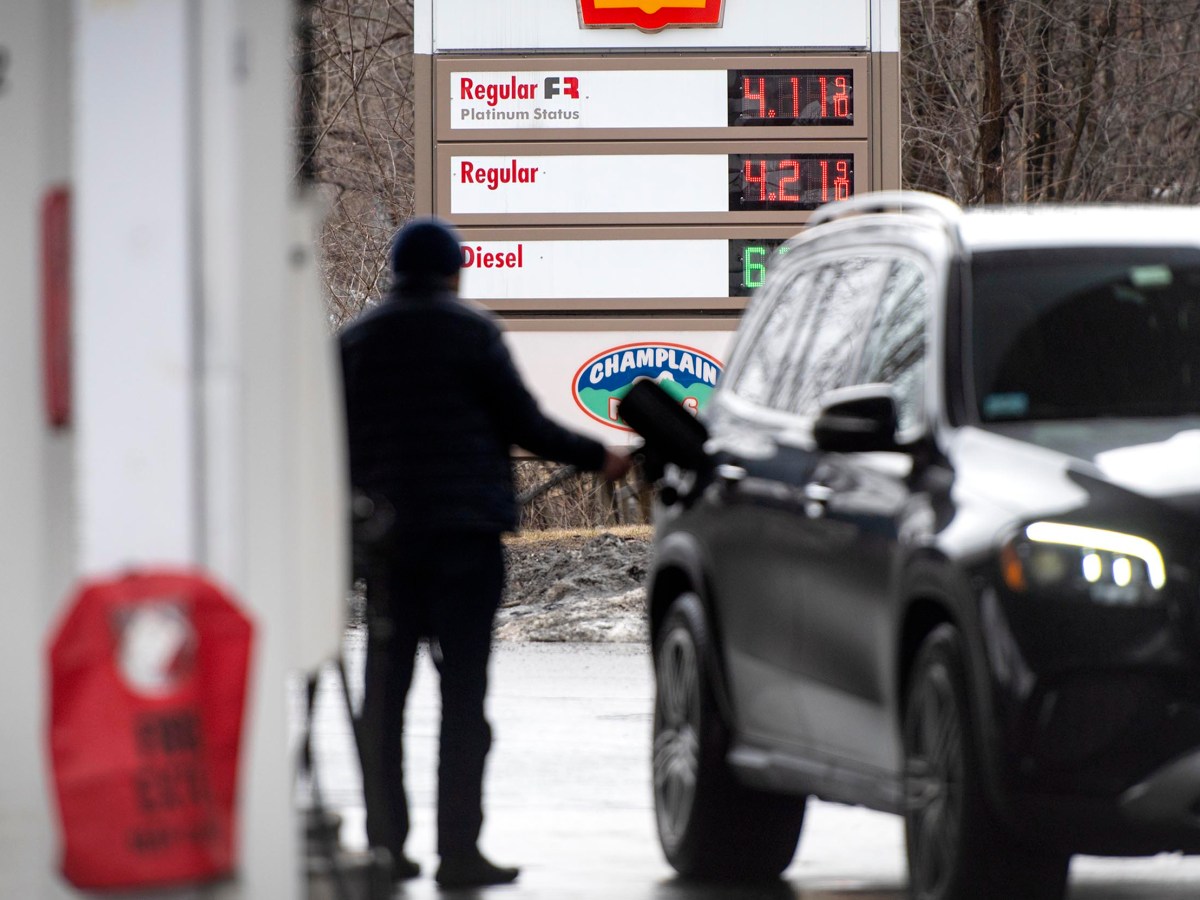
Kerry Conley, client services manager at the organization, said she hears about fuel prices daily. Having experienced intense cold this winter and with chilly weather extending well into the spring, the rising prices of both gasoline and home heating oil have been difficult for her community to bear, she said.
Welch cited reports released by Democrats on the congressional Joint Economic Committee, which state that the average Vermont household has experienced $2,500 in additional costs due to inflation since Trump took office for the second time. Although Consumer Price Index reports from the U.S. Bureau of Labor Statistics show that recent increases in grocery prices are much smaller than the jump in energy rates, the overall inflation rate for the 12 months ending in March was a relatively high 3.3%. Some economists say inflated costs for transportation and gas-based fertilizer will likely begin to affect food prices to a greater extent in the coming months.
Nonetheless, some Vermont grocers say their businesses and customers are already feeling the direct effects of federal tariffs. Rowan Sherwood, the community relations and marketing manager at Hunger Mountain Co-op in Montpelier, said the store is responding to increased prices on a number of everyday goods like coffee.
“There’s a certain amount that we can absorb and then a certain amount that we need to pass along” to customers, Sherwood said.
Last year’s One Big Beautiful Bill Act also saddled Vermont with millions in administrative food assistance costs that were previously covered federally. And in light of new restrictions to the program, advocates are calling for millions more in state funds to help vulnerable groups navigate complex new paperwork to continue receiving benefits.
Welch criticized the Trump administration for “pushing the administrative burden back to the states” when it comes to food assistance. It’s unfair to Vermonters, he said, and feels like backwards policy in such a wealthy nation.
“There’s a total dedication to the people who are coming in here and treating them with great dignity and respect,” Welch said of the HOPE operation and staff. “My hope is I could take a little bit of what folks are doing here back to Washington.”

