


Theo Wells-Spackman is a Report for America corps member who reports for VTDigger.
Candy King, owner of wood stove vendor Hearthlink International in Randolph, was hard at work Monday morning preparing to file for a refund on tens of thousands of dollars in tariffs that have since been deemed illegal.
Many Vermont businesses like hers could receive similar tariff refunds in the coming months after a new federal system launched Monday — but parts of the process remain uncertain and will likely be protracted.
Though a refund would be helpful for King, it would be a relative “drop in the bucket” compared with her total losses from the recent waves of tariffs, she said. All told, the Trump administration’s tariffs have meant hundreds of thousands of dollars in extra fees and forced layoffs for her company.
But for some Vermont businesses, she said, these refunds could well be “the difference between staying open and not.”
Since President Donald Trump took office a second time, his administration has imposed high and fast-changing tariffs on a number of countries. Businesses across the state have reported increasing financial pressure resulting from the new fees. Now, officials are urging Vermont companies to take advantage of a new system for processing tariff refunds, after a legal battle forced federal officials to retract some fees.
In February, the U.S. Supreme Court ruled that a particular set of tariffs levied by the Trump administration last year were implemented illegally. Following that decision, the U.S. Court of International Trade ordered U.S. Customs and Border Protection to refund the more than $160 billion collected from American importers through these tariffs.
Trena Isley, who owns Tradewinds Imports in Burlington, said that eye-watering tariffs on jewelry and craft goods from India in particular had been painful last year. She hopes to receive over $10,000 in refunds through this initial round, which would help offset a domino effect from last year’s tariff bill on this year’s purchasing.
“It’s definitely been stressful and confusing,” Isley said in an interview Monday. “I’m excited at the notion of getting our money back.”
On Monday morning, Customs and Border Protection launched a system to process those refund requests, allowing importers to file for rebates. Due to the specificity of previous court orders, only tariffs introduced under the International Emergency Economic Powers Act, or IEEPA, are covered for the moment.
The refunds are also currently limited to importers of record, meaning those who work directly, or through a broker, with U.S. officials when conducting business overseas. Some companies receive goods via a third-party service, in which case they may not be eligible for a direct refund right now. Businesses that do qualify will likely wait several months before seeing reimbursement, officials have said.
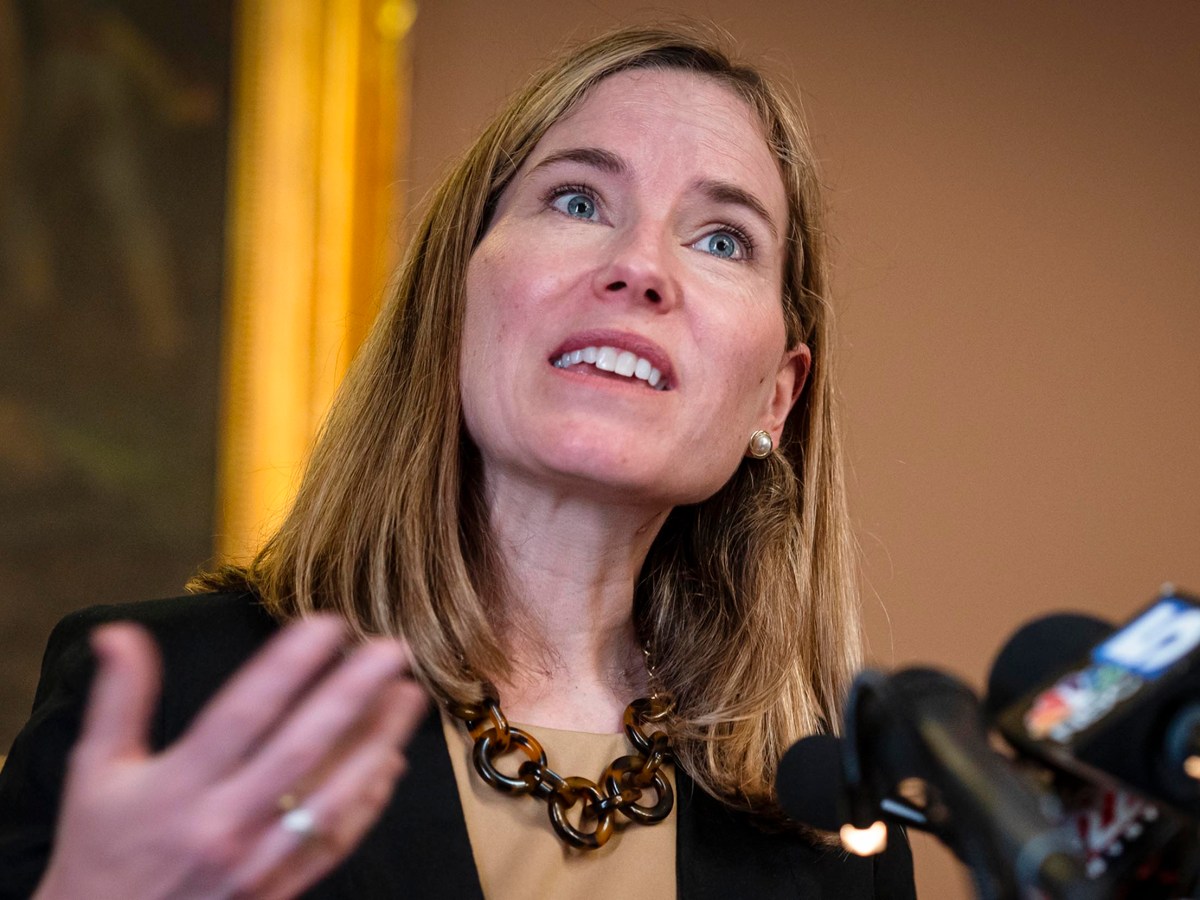
Vermont Attorney General Charity Clark was one of a number of state attorneys general who challenged the legitimacy of Trump’s tariffs in court beginning last spring. She also signed a joint letter to U.S. congressional leadership last month, urging federal lawmakers to force tariff refunds themselves.
“At this time, we know that importers of record and authorized customs brokers are eligible for refunds, but we don’t know how many such entities are in Vermont,” said Amelia Vath, a spokesperson for Clark, in an emailed statement Monday. “We remain concerned about the cost (borne) by consumers and small businesses, and we believe any refunds must take them into account,” Vath added.
Nonetheless, business leaders say many Vermont companies will likely be able to take advantage of the program that started Monday.
“I think it could be huge,” said Amy Magnus, director of customs affairs and compliance at A.N. Deringer, a customs broker headquartered in St. Albans. “I’m sure it’s going to be a big windfall for a lot of companies in Vermont and elsewhere.”
Another business owner in Vermont told VTDigger they expected to recover hundreds of thousands of dollars through this process, but declined to speak on the record.
U.S. Sen. Peter Welch, D-Vt., who has been a vocal critic of Trump’s tariffs, urged Vermont businesses to claim refunds wherever possible.
“I hope these refunds provide Vermont small businesses some relief from President Trump’s reckless trade war,” he said in a statement Monday. “They are owed this money — and more — for the pain caused by the Trump trade war,” he continued.
Magnus said in order to file for a refund, Vermont businesses must first have or create an Automated Commercial Environment, or ACE, portal account with Customs and Border Protection. They should also fully set up the ACE refund process, she said, to ensure the returned money flows to the right place in the agency’s brand new refund system.
But more than anything, Magnus urged caution and discussion with experts. Parts of the refund process are still unclear, and future phases of the refund process will also likely allow a broader variety of claims to be made, she said.
“This request for a refund is a legal filing with the government,” she said. “Let’s everybody take a deep breath — make sure that you do this properly, and correctly, and get help.”
Amy Spear, president of the Vermont Chamber of Commerce, said a path to refunds is a step in the right direction for the state’s businesses.
“That’s real money that can go back into payroll, inventory, investment,” she said.
But broadly speaking, it’s still difficult for companies to keep up with other tariffs, and the rate at which they’re shifting, Spear said.
“It doesn’t change the broader challenge, which is that unpredictability that businesses are facing,” she said.

