

This commentary is by Miro Weinberger, the executive chair of Let’s Build Homes. He is a former affordable housing developer and a former mayor of Burlington.
The question hanging over the Statehouse this session is simple: Are we serious about solving the housing shortage?
There is no doubt where Vermonters stand. Let’s Build Homes polling in February found that housing was the top issue on voters’ minds, and three-quarters of them want more action from the Legislature. Vermonters are very concerned about young households being pushed out of the state by housing scarcity, and 60% of Vermonters either have suffered serious housing challenges themselves or know someone who has.
There is reason to be hopeful. Communities across the state, from Fairlee to South Burlington, are welcoming ambitious new projects and getting them done. Total production is up significantly over the last decade, and for three consecutive years, the Legislature has passed major housing bills. This includes last spring’s passage of the Community Housing Infrastructure Program, potentially the most transformative infrastructure investment in Vermont’s history.
However, this battle is far from won. We are producing only about half of the state’s housing targets. Housing prices remain at or near historic highs. And Vermont’s demographic crisis deepens every year, putting immense strain on our education and health care systems.
Worse, two years into Vermont’s effort to reform Act 250, without major corrections this session, 2026 will become a year of major housing setbacks.
Here is an ambitious but realistic four-pillar strategy for the remainder of the session that would keep our housing momentum growing:
First, repeal the new rules that will make the shortage worse. We are in today’s housing shortage because for 50 years we have layered restrictive rules on top of each other, making Vermont a very difficult place to build homes. Now, Act 181 is on the verge of doing it again.
A first-of-its-kind geospatial analysis from Let’s Build Homes shows that since 2021, 60% of Vermont’s housing growth occurred outside the state’s new housing growth areas, much of it built one house at a time. Without immediate action, new rules taking effect later this year will subject many of these small-scale developments to the substantial costs and uncertainty of Act 250 for the first time.
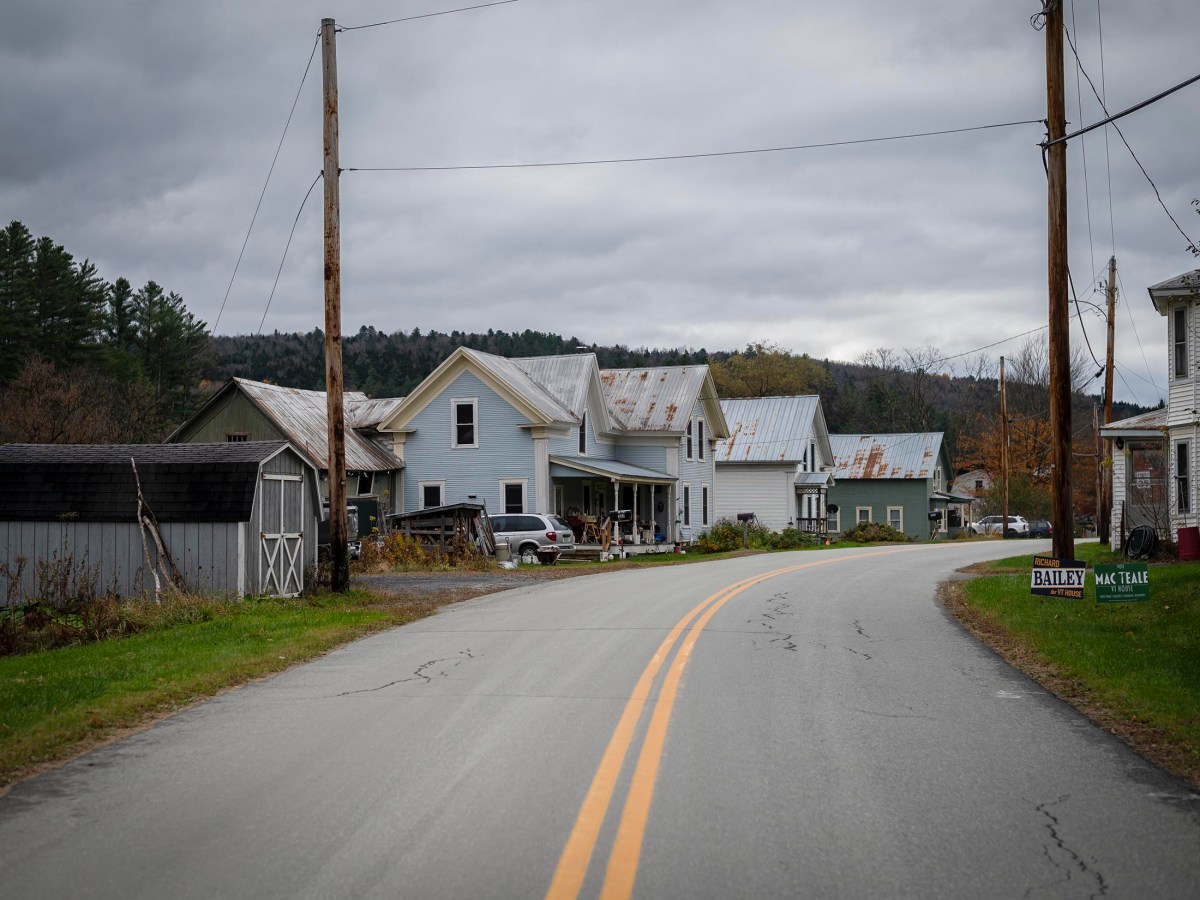
This burden will fall hardest on lower- and middle-income families, those with the least capacity to absorb the legal fees and expert studies Vermont’s Act 250 structure demands. To avoid this, before adjourning, the Legislature must repeal the road rule and substantially narrow or repeal Tier 3 as well.
Second, expand and empower housing growth areas. Act 181 established an important framework for directing housing growth, but after nearly two years of implementation, it is clear that the maps are being drawn too narrowly — and often overruling the growth plans of towns and regional planning commissions — and amendments are too slow and difficult to make.
To get these maps right, the Legislature must fix the implementation issues, create a presumption of approval for growth area expansions sought by towns until housing targets are met, and extend the bill’s interim housing areas through 2030.
LBH’s geospatial analysis makes it clear that Act 250 exemptions alone are very unlikely to be enough to meet the state’s goals for these housing growth areas. The Legislature should also exempt housing construction from state sales taxes on construction materials and remove the cap on downtown and village tax credits.
Third, move from “discretionary” to “by-right” housing. In most of Vermont, building homes requires a discretionary permit, meaning a project can comply with every quantitative rule and still be blocked by a single neighbor or board making subjective judgments. If housing is truly a human right, there must be a right to build in housing growth areas. Two new “by-right” initiatives should be advanced this session: Gov. Phil Scott’s 802 Homes program of preapproved prototypes, and LBH’s Residential Opportunity Overlay for Towns zones proposal that would let towns voluntarily, through a democratic planning process, adopt a zoning overlay that makes permitting of residential projects faster, predictable and less expensive.
Finally, keep investing in what works. Dedicated state investment in affordable housing is producing real results. Now is not the time to cut and retreat. We must maintain the momentum of our successful programs and continue building on what works.
The clock is running out. With less than two months left in the session, every week of delay is a week that more young Vermonters consider leaving, workers who could fill critical jobs have nowhere to live, and families get outbid on a home by a wealthy person purchasing a second home.
The Legislature faces a clear choice: Allow red tape to tighten its grip and watch the housing shortage grow worse, or take steps to ensure every Vermonter has a place to call home.
Vermonters are waiting for an answer.
