

Dear Editor,
“You cannot save the land apart from the people or the people apart from the land.”
Kentucky farmer, poet, and essayist Wendell Berry wrote these words just over two decades ago, observing a fundamental flaw in the conservation-based environmentalism that was displacing subsistence farmers in his home state.
The ideology underpinning that environmentalism understood people and land — along with the related issues of housing and conservation — as separable. Resisting that logic, Berry became known for holding a more fully ecological perspective, one that recognizes people as part of nature. In his view, the distancing of humans from the rhythms of the natural world is precisely what brings about ecological crisis.
The flaw in the brand of environmentalism that Berry spoke out against is this: it is inhumane and, in its inhumanity, it is anti-ecological. That environmentalism is what currently dominates Vermont’s politics.
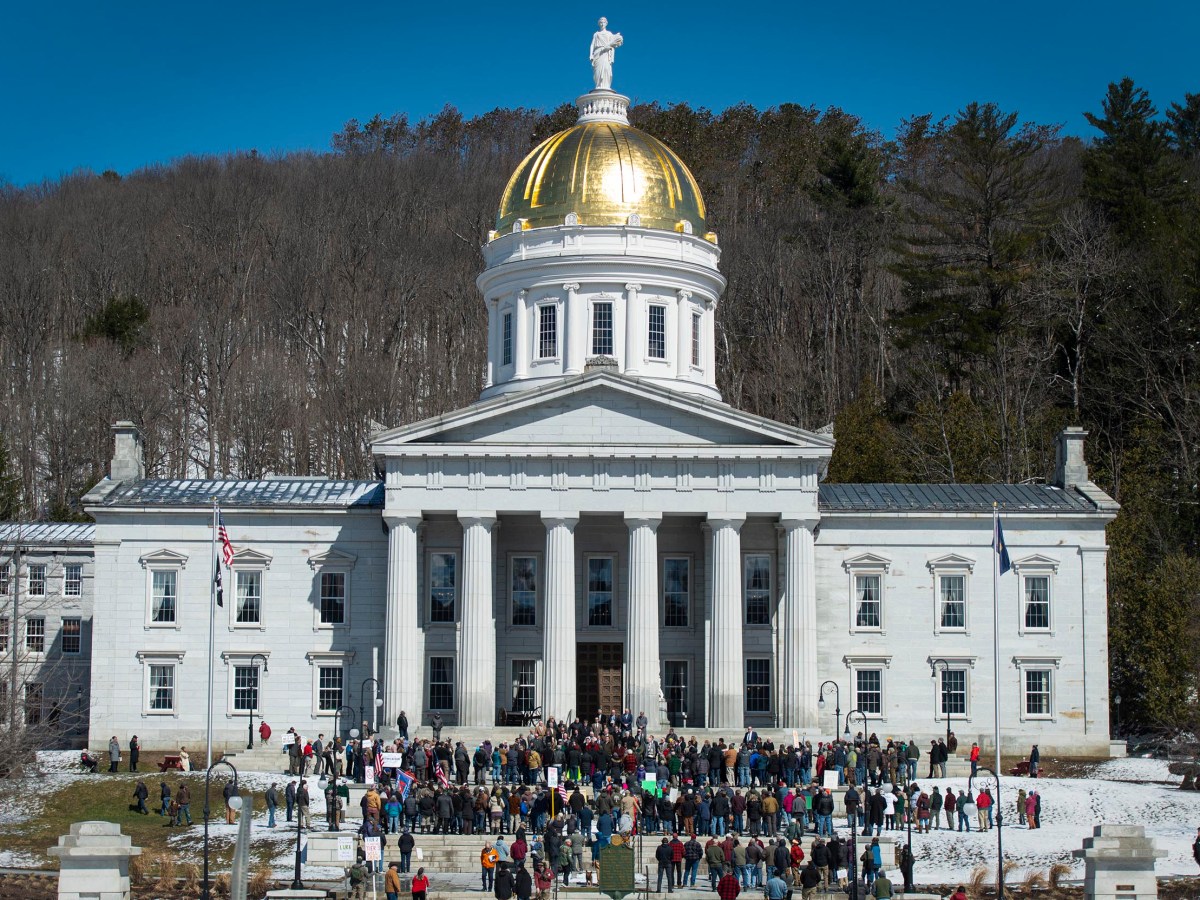
If we are going to turn the tide that has been swallowing rural folks in our state, we need to help urban Vermonters understand that the outdated form of environmentalism promoted in Montpelier is misanthropic and, therefore, fails to meet environmental justice principles. We also need to communicate, in clear and civil terms, how that flawed ideology is directly profitable to the individuals promoting it.
We need to show our urban counterparts that we “cave-dwellers” — as Sen. Alison Clarkson, D-Windsor, referred to us — can think. In place of the current environmentalism, we need to articulate a more sophisticated form of ecological thinking. We must assert that land does not need to be locked away from communities to be saved. Instead, it needs to be restored and sustained through a healthier relationship with our species.
We cannot have a healthy relationship with something from which we have been severed. A decade after writing the essay quoted above, Berry added in his essay collection “Our Only World” that “if the land and the people are ever to be saved, they will be saved by local people enacting together a proper respect for themselves and their places. They can do this only in ways that are neighborly, convivial, and generous, but also and in the smallest details, practical and economic.”
Doesn’t that sound like the Vermont we all want?
Love of the land, in one form or another, is probably what unites Vermonters more than anything else. Let’s use that common ground to build this movement.
Our politicians may be too entrenched in the broken party system to be moved, but I’m choosing not to reduce Vermont’s city-dwellers the way their politicians like to reduce us.
Megan Durling,
Newark, Vt.
