


Attorney General TJ Donovan is expected to file lawsuits Thursday against Dupont and another manufacturer of the toxin PFOA, which contaminated hundreds of private drinking-water wells in Bennington County.
The move takes Vermont’s legal efforts, previously focused on ChemFab plant owner Saint-Gobain Performance Plastics, to a new level of the chemical supply chain.
The Attorney General’s Office sent out a press release Wednesday morning saying that Donovan and state officials “will announce two environmental-related lawsuits against several multinational companies for defendants’ role in harming Vermont’s natural resources.”
Lauren Jandl, spokesperson for the Attorney General’s Office, said she couldn’t talk about the lawsuits before Thursday’s press conference at 10 a.m. outside the Chittenden Superior Courthouse in Burlington.
Sen. Brian Campion, D-Bennington, said in an interview Wednesday that the Attorney General’s Office is “going after the manufacturers of PFOA.”
Campion said that the AG’s office will be suing DuPont and at least one other chemical company. “I think this is a great step having witnessed what happened in Bennington,” he said.
Sen. Dick Sears, D-Bennington, who along with Campion has led the legislative charge against polluters in Bennington, said he was aware of the lawsuits but had agreed not to talk about them until Thursday.
PFOA — a member of a manmade class of chemicals called PFAS — gained notoriety in Vermont when the state discovered widespread contamination around two former ChemFab factories in North Bennington in 2016. Over 300 private drinking water wells in the Bennington area had PFOA levels above the state’s health advisory.
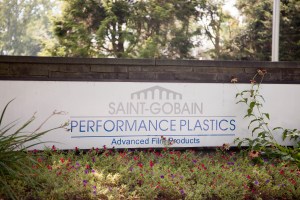
In April, Donovan and other state officials announced the state had reached a multi-million dollar settlement with Saint-Gobain, the current owner of the factories, to cover the cost of municipal water line extensions.
Vermont is also set to begin widespread PFAS sampling next month by all public drinking water supplies, car washes, landfills and other sites. The state Agency of Natural Resources is moving ahead with setting drinking water standards for PFOA and four other PFAS compounds at 20 parts per trillion — among the strictest in the country.
And Vermont’s not alone. The C8 Science Panel, created by a class action lawsuit in West Virginia, linked PFOA exposure to six diseases, including two kinds of cancer. While PFOA and PFOS have been phased out by industry, the chemicals do not easily break down and so persist in the environment from years ago.
Minnesota’s attorney general reached an $850 million settlement with 3M, the company that first manufactured PFOA, last year. Minnesota Attorney General Lori Swanson alleged that the company had dumped millions of pounds of toxic chemicals outside St. Paul.
Last year, an Ohio firefighter brought a class action lawsuit last year against 3M, DuPont and Chemours seeking relief for all U.S. citizens who have been exposed to PFAS chemicals. The lawsuit specifically seeks to make the companies pay for research looking into health effects of newer, “replacement” PFAS compounds.
Donovan is also taking on multinationals who he blames for stoking the opioid epidemic in Vermont, filing a lawsuit against pharmaceutical distributors Cardinal Health and McKesson Corp., who he says failed to fulfill their legal duty to monitor and control the sale of opioids in Vermont.
The attorney general has also been entertaining conversations about a run for governor in 2020, though he says he remains undecided.
Colin Meyn contributed reporting

