


[V]ermont’s top health official is pushing back on efforts to allow possession of a popular opioid treatment drug without a prescription, a proposal he said would get his “slam dunk” support in any other state.
Health Commissioner Mark Levine told his concerns to lawmakers who have proposed a bill H. 162 to decriminalize possession of buprenorphine, a prescription drug used to treat opioid withdrawal.
Levine said the state’s addiction treatment centers have sufficient capacity and there is no reason for anyone to possess the drug without a prescription. People with opioid addictions sometimes illegally purchase the drug, commonly called Suboxone, to ward off withdrawal symptoms or if other drugs are unavailable. Levine said he was worried about the negative ripple effects of a flooded black market.
Supporters say decriminalizing the drug will save lives by deterring those with opioid addictions from using deadlier substances like heroin and fentanyl.
In his testimony Friday, Levine acknowledged the drug saves lives on the street. He went as far as to say in other state, where there are often long waits for those seeking drug treatment, he would throw his weight behind a decriminalization proposal.
“I can say unequivocally that if I were health commissioner in any other state in the United States, this would be a slam dunk bill. I would just say we need to support this bill,” he told the House Human Services Committee.
But in Vermont, where the state’s treatment centers have the capacity to treat “everyone who knocks at the door,” Levine expressed reservations about passing the legislation.
“We are a state that has no waiting lists, so there’s no reason for a person to be on the streets with nothing else to turn to but illicitly obtained buprenorphine,” he said.
Levine’s comments disappointed some activists and supporters of the bill, who say although Vermont may have better drug treatment capacity than other states, thousands of residents in need are not receiving treatment.
By the Health Department’s own estimate, only 30-40% of those abusing opioids are now being treated.
“I contend that the 70% of lives that we are not reaching … are lives that also matter,” said Brenda Siegel, a former Democratic candidate for governor, who now pushes for policies in the Legislature to combat the opioid crisis, including the buprenorphine bill.
“And we need to make a very clear statement that we want people to stay alive that we understand that using buprenorphine is an indicator towards treatment, and that we want you to choose buprenorphine instead of fentanyl-laced heroin,” she said in an interview.
Levine said he is concerned that by decriminalizing buprenorphine, more people with prescriptions will be giving or selling the medication they need to others. And he worries that the drug will more frequently fall into the hands of casual users, leading them to develop dependency, and opioid abuse disorders.
“That’s exactly how people who started with Vicodin and Oxycontin got into trouble,” he said in an interview this week.
“They were circulating in the population at a level that [they] shouldn’t have been … and people were using at higher and higher doses and becoming addicted to it,” Levine said.
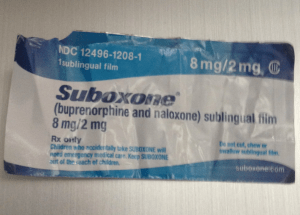
He also told lawmakers that with easier access to buprenorphine, some people with addictions might be less likely to seek treatment.
Rep. Selene Colburn, P-Burlington, the bill’s lead sponsor, rejected Levine’s argument.
“Someone who is using non-prescribed buprenorphine instead of heroin or fentanyl is way more likely to be alive the next day to get into our treatment system,” she said.
Colburn pointed to a 2015 study published in the Journal of Substance Abuse Treatment that said using street buprenorphine can help an addict remain in treatment for a longer time.
“I think we’re saying it’s a safer alternative to fentanyl and heroin and I think we’re also recognizing that there’s actually some pretty promising evidence … that it actually can be a pretty effective pathway to treatment,” she said.
The push to decriminalize buprenorphine in Vermont comes after prosecutors in Chittenden County last year became the first in the nation to announce they would no longer prosecute misdemeanor possession of the substance.
Since then, Chittenden County has seen fewer drug deaths. While opioid-related overdose deaths across the state rose in 2018, Chittenden County’s rate dropped by half.
Opponents of the legislation include law enforcement officials, including federal prosecutors.
“Decriminalization of unlawfully possessed buprenorphine encourages the ingestion of dangerous drugs without physician oversight and compliance monitoring. That is harmful,” Christina Nolan, the U.S. attorney for the District of Vermont said in an op-ed last month,
Levine said he knows buprenorphine decriminalization may save some lives. But he believes lawmakers need to also weigh the consequences that could arise from the policy shift.
“Everyone’s always focused on: one less person will die because of this and so we’ve done a lot of good,” he said.
“But … there can be a lot of harm coming to other people that one might not have anticipated right away,” Levine said.
Learn more about the push to decriminalize buprenorphine in our Deeper Dig podcast:

