


They said the proposal would result in thousands of Vermonters losing insurance coverage and cost the state hundreds of millions of dollars in federal funding.
Lawmakers in Washington are considering the GOP-led plan as part of action to “repeal and replace” the Affordable Care Act signed into law seven years ago by then-President Barack Obama. The Republican plan would dismantle many parts of the ACA.
As of late Thursday, the plan was in danger of not passing the House as leaders scrambled for votes and called for a delay.
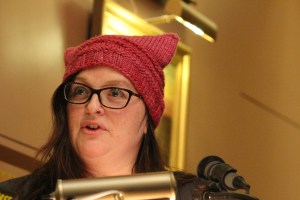
“This isn’t a health care bill,” said Brenda Patoine, an event organizer. “In fact, it would be more properly called a wealth care bill.”
At an afternoon news conference, Scott said he has been clear in denouncing the Republican plan.
The plan “as written would be devastating for Vermont. It would cost us hundreds of millions of dollars. Thousands would be without insurance,” Scott said.
The governor said he had spoken directly to the White House about his concerns, as well as other governors “that might find themselves in the same situation we are in,” including ones in states with a similar expansion of Medicaid that Vermont had under Obamacare.
“We’re all concerned about what’s happening in Washington,” Scott said, adding that a special session of the Legislature might be needed if big cuts are made. He would not say if large cuts might make him rethink his pledge not to raise taxes; instead he encouraged Vermont lawmakers to pass a budget without any tax increases.
“We can only address what we know at this point,” he said.
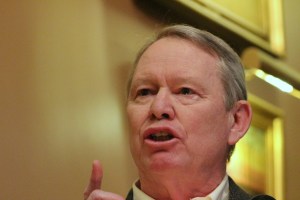
Ramsay served until last year on the Green Mountain Care Board. He called on the state’s hospitals and insurance carriers to help close the gap on any cuts from the feds. He said that during his tenure on the regulatory board those entities had fared well financially and could afford to maintain people’s coverage and help the state with any subsidies lost.
Ramsay said the economy, a Scott priority, would suffer if people don’t receive the medications they need in order to go to work.
In addition to maintaining current coverage, the speakers called for a national health care plan, a “Medicare for all.” They also expressed support for the bill H.248, which would provide universal primary care coverage.
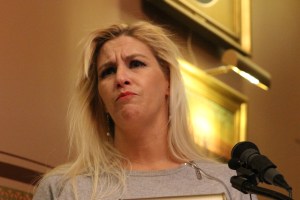
At the rally, Raina Lowell said she could not have broken her addiction to heroin and crack cocaine without adequate medical insurance. She went into recovery in 2011 and said it was important “to send a message that their lives matter.”
Brenda Siegel said her illness required $18,000 in medication annually. She and others spoke of health care as a right and not a privilege.
“We’re responsible for one another,” she said.
