

The Vermont Conversation with David Goodman is a VTDigger podcast that features in-depth interviews on local and national issues. Listen below and subscribe for free on Apple Podcasts, Spotify or wherever you get podcasts.
Millions of Americans have attended “No Kings” protests, voicing outrage that President Donald Trump has turned the presidency into an imperial platform from which to launch wars of choice, levy illegal tariffs, and unleash armed agents against his political adversaries.
Isn’t the American system of checks and balances supposed to prevent this?
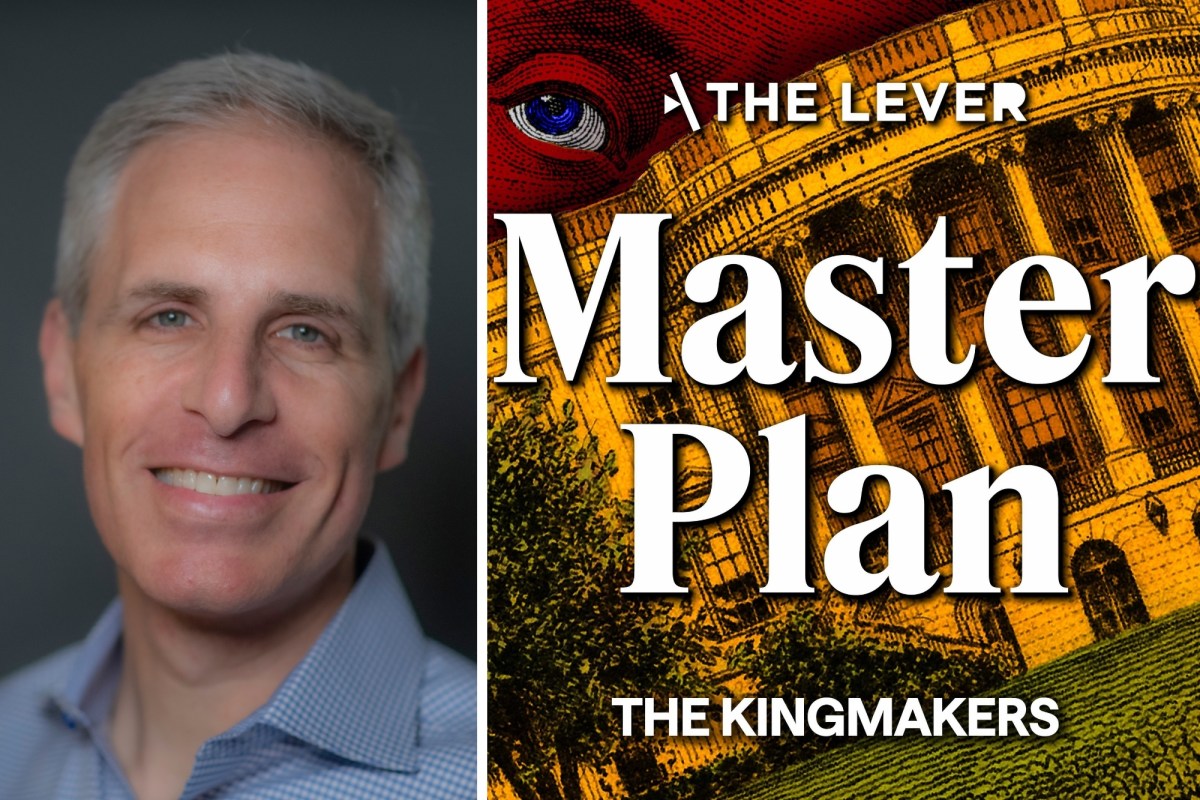
“The Kingmakers” is a new podcast hosted by journalist David Sirota that looks at how those checks have been steadily undermined. The podcast explores how the unitary executive theory, once a fringe idea that grants kinglike powers to the American president, was germinated in the Nixon administration, flowered in the Reagan administration, and is now the blueprint for Trump’s power grab.
“The Watergate scandal, where the president is using the various pieces of the political machine and apparatus of the presidency to target his political opponents … is seen as the zenith of the imperial presidency,” said Sirota.
After Nixon’s resignation, Congress tried to rein in executive powers. President Reagan responded by “making a much grander argument that any statutes that come from Congress that constrain the executive’s authority to control the federal government is itself not just illegal, but unconstitutional.”
Reagan’s aggressive assertion of executive power led to the Iran-Contra scandal, when White House officials brazenly flouted and misled Congress. “The ideology (is) that we are above the law, the law does not apply to us. The president is essentially not a co-equal branch of government, but an elected king,” Sirota said.
Sirota is founder and editor-in-chief of The Lever, an independent investigative news outlet. He was the screenwriter for the Oscar-nominated film “Don’t Look Up.” His new podcast is the second season of his award-winning series “Master Plan,” which examines how corruption became legal in American politics.
Sirota has also worked for U.S. Sen. Bernie Sanders, most recently as speechwriter and senior adviser in his 2020 presidential campaign. He credits Sanders as a mentor, teaching that “it’s not really the two parties. It’s really money versus everybody else.”
“If you’re an oligarch you try to turn the one-person, one-vote democracy into a $1, one-vote oligarchy … turning elections into auctions. That’s one way you deal with the democracy problem,” said Sirota.
His podcasts trace the origins of the “master plan” hatched in the 1970s “to consolidate as much power as you can in the hands of one person so that when you get into power and you use the legalized corruption system to buy that office, then you can do whatever you want,” as he described it.
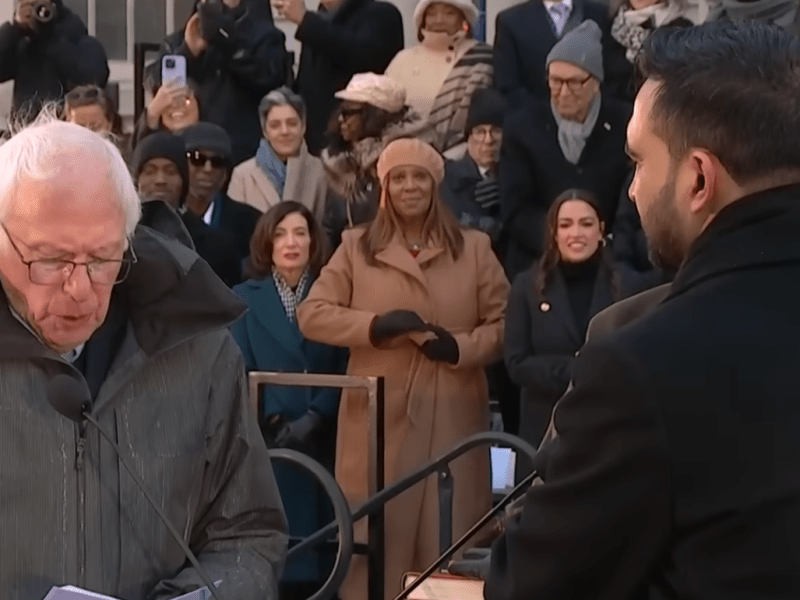
Sirota believes that “people are disgusted with the endemic corruption that’s out there.” He cites as evidence the election of New York City Mayor Zohran Mamdani, who relied on public financing in his campaign.
“The pendulum swings here,” said Sirota. “We are now at a moment where anti-corruption can be a central theme with a real policy objective. We must give people a way to run for office where they can run a robust, competitive and competitively financed campaign without having to rely on oligarch money. That is possible. That is realistic.”
