


The town of Colchester has appealed to the Vermont Supreme Court a lower court decision that found town officials acted in bad faith when they tried to seize waterfront property in an eminent domain proceeding.
The appeal continues a long legal saga that began in 2022, when the Mallet’s Bay waterfront property owner, Mongeon Bay Properties, sued the town after officials there started eminent domain proceedings.
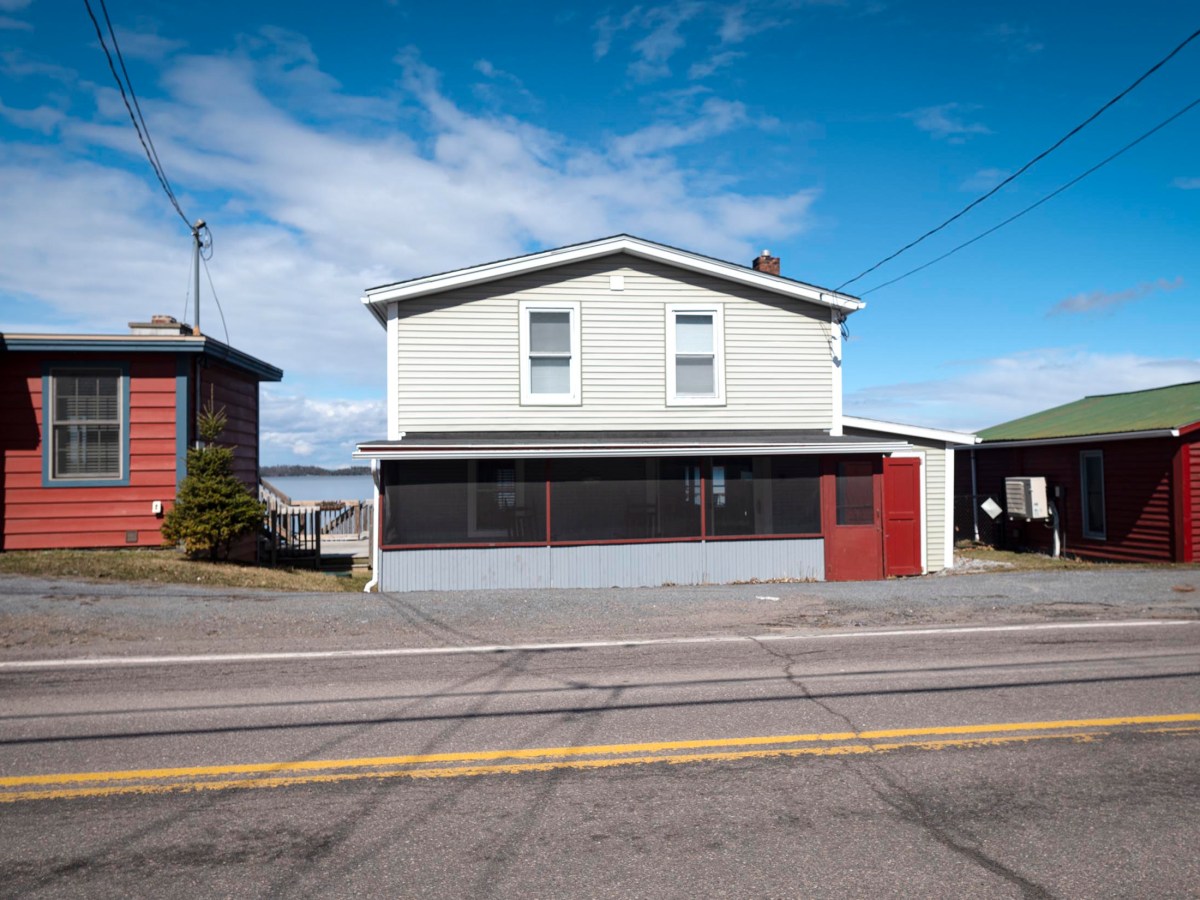
The property, at 885 East Lakeshore Dr., is not used as a permanent residence but is part of a larger unsubdivided parcel that hosts a mix of rental housing, seasonal housing and single-family homes.
Superior Court Judge Samuel Hoar Jr. in March criticized the town’s efforts to condemn the property, and in a decision halting the proceedings said the proposed taking was made in “bad faith.”
He further suggested in his decision that town officials used eminent domain in retaliation for a previous legal dispute with the property owner.
Attorneys for the town, in their appeal to the Supreme Court, said there is “considerable evidence demonstrating the town’s position that it was necessary to take the property,” according to court documents.
The town is asking the state’s highest court to weigh whether the trial court “abused its discretion in failing to consider the town’s significant evidence” and asked that the justices consider whether the lower court “improperly substituted its own preference” for the eminent domain proceedings.
Aaron Frank, the town manager for Colchester, did not respond to a request for comment. A.J. LaRosa, the attorney for Mongeon Bay Properties, could not be reached.
The town has long held an easement on the site to operate and maintain a decades-old stormwater drainpipe and catch basin underneath the property.
Town officials claim that seizure of the property is necessary for both environmental and liability reasons. Frank said previously that the town “did not believe this was a sound situation due to the certainty of need for future repairs and replacement of the pipe.”
“Having a seasonal rental property on the side of a steep slope, and on top of a large stormwater pipe presents a significant financial burden to the town and its taxpayers,” he added.
In late 2021, the town queued up plans to build a treatment facility on the property that would remove phosphorus and other contaminants from stormwater before discharging it into Malletts Bay. The property owner sued the town in 2022.
In his decision, Hoar suggested that the condemnation attempt stemmed from a previous lawsuit, when the town and property owner clashed in court over repairs to the town-owned stormwater drainpipe, which ruptured following an October 2019 storm.
The two parties eventually settled out of court for an undisclosed amount of money. But the town initiated the condemnation proceedings while that court case was underway, Hoar wrote in his decision.
The judge wrote in the ruling that a town attorney had threatened the property owner in 2020, saying, “if you sue the town we will take your house by eminent domain.”
The Supreme Court has yet to schedule a date to hear the town’s appeal.
