

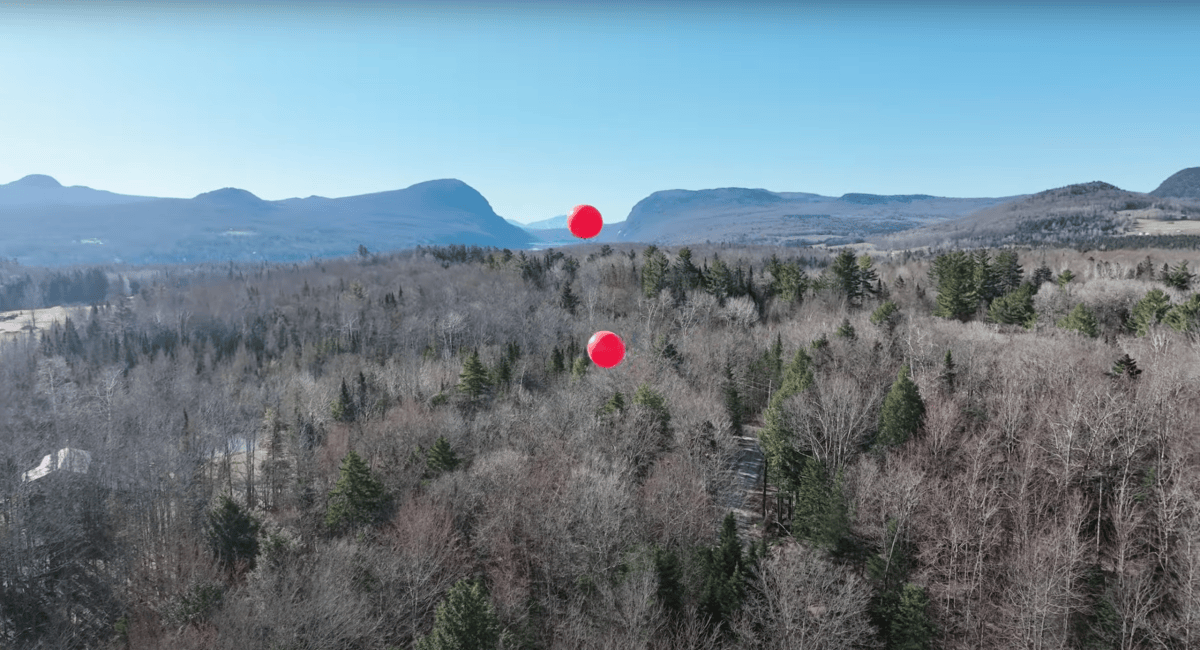
A group of Westmore residents is continuing in their multi-year fight over a 140-foot telecommunications tower proposed to be installed just northwest of Lake Willoughby, a national natural landmark.
The residents have said they do not believe the Public Utility Commission gave proper consideration to comments from the town’s planning commission, select board, town plan or nearby neighbors’ views of the tower.
Their belief persists in spite of the Vermont Supreme Court’s affirmation on Sept. 4 of the Public Utility Commission’s decision allowing the tower’s construction, stating the commission did its job correctly.
The Public Utility Commission is a three-member quasi-judicial body that regulates Vermont’s utilities and the siting of energy projects through a formal process. The commission’s purpose, according to a guide to the process, is to “determine whether a proposal will serve the long-term public good of the State of Vermont and its citizens.”
But in the Westmore case at least, residents say the commission’s process has failed to serve its purpose. Last Wednesday, the appellants — a group of seven residents fronted by Donna Dzugas-Smith — filed a motion asking the court to grant reargument of the case.
The Public Utility Commission process “is unjust, unfair, stilted and does not protect Vermont. That is the problem,” Dzugas-Smith said in an interview. “What we’ve experienced is unbelievable and I know we’re not the only town. This is about all of Vermont.”
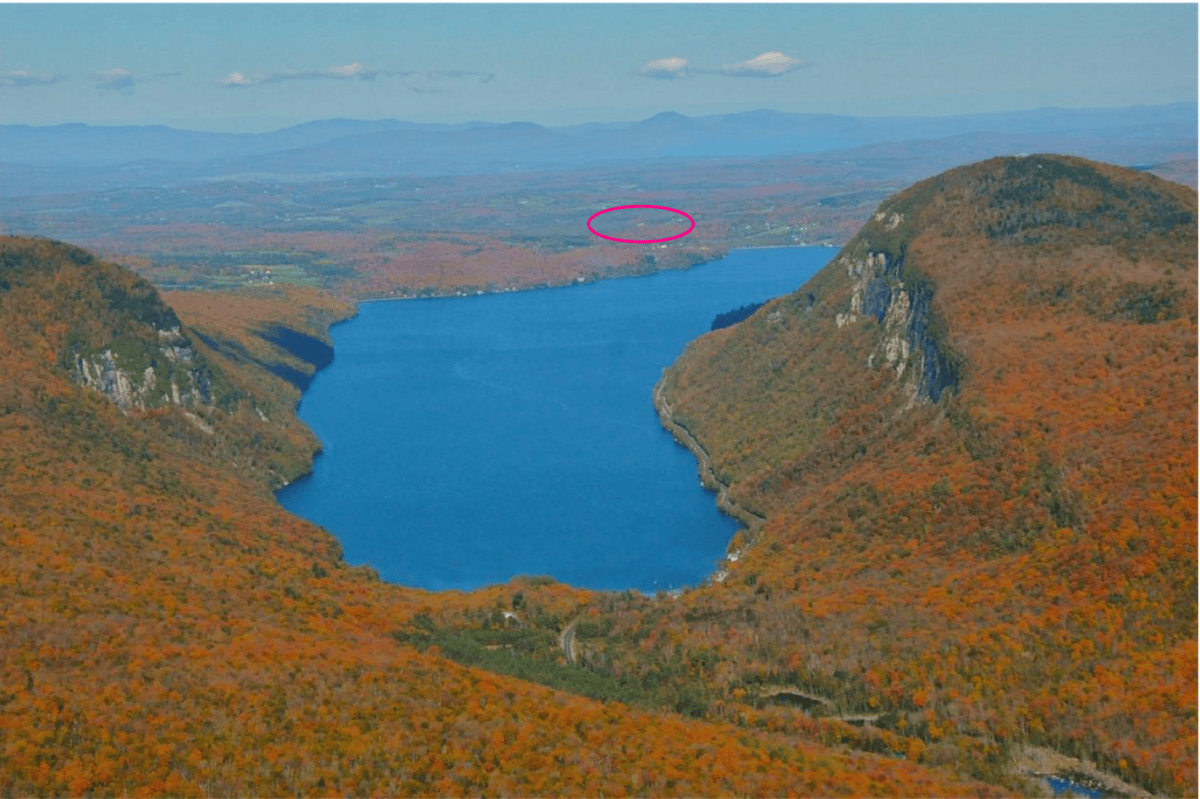
Massachusetts-based Industrial Tower and Wireless filed an application for the tower’s construction in June of 2024, which the Public Utility Commission approved in September 2025. According to the final order issued by the commission, the hearing officer concluded that the project “is consistent with State telecommunications policy and the goal of providing improved access to telecommunications services in the regional plan.”
The group of residents filed the notice of appeal of that decision to the Vermont Supreme Court at the end of November 2025.
According to commission documents, an antenna serving the Glover Emergency Medical Services will be placed at the top of the tower. The project will also “provide the needed coverage and capacity” for Industrial Tower and Wireless subscribers living in, working in or passing through the Westmore area, “something that is impossible at present.”
But, the appellants argue, the commission’s approval process is notoriously difficult for the public and even for municipalities to participate in.
The process “is not friendly to the Vermont resident,” Dzugas-Smith said. “It is not friendly to municipalities.”
Michael Swain, special counsel to the Department of Public Service, told VTDigger earlier this year the commission’s process includes procedures and formalities that “may make participation as a party to a proceeding challenging for non-lawyers.”
Earlier this year, the Legislature extended the use of the Public Utility Commission process for three more years. If it had not done so, energy project siting would have gone through the Act 250 process, which is longer and has more avenues for public participation. In its extension, the Legislature made the preapplication public hearing mandatory for the municipality, applicant and Department of Public Service.
According to Ryan Clark, an external affairs regional director at AT&T, the company’s ability to invest and expand coverage in Vermont efficiently is a direct result of the commission process.
“Without [the commission process], we would expect the process of permitting a cell tower to take at least double the amount of time as it does today,” Clark said in his testimony to the legislature. “This would significantly reduce our ability to invest and improve wireless communications for the state of Vermont.”
Rep. Lauren Sibilia, I-Dover, who sponsored the bill extending the use of the commissions’ process, said Tuesday that the legislature heard more testimony than they had expected on the legislation.
“We’ve got some pretty strong opinions on all sides,” she said. “It would not surprise me were we to move to look at this determination again, whether it’s [the commission process] or [Act] 250.”
In Westmore, the group of about a half-dozen residents decided to ask for a reargument of the case because the Vermont Supreme Court decision “still has the same errors that the PUC made their decision on,” Dzugas-Smith said.
Appellants argue that the town plan as well as letters from the Westmore planning commission and select board that express opposition to the tower were not adequately considered. They add that the Public Utility Commission did not consider nearby neighbors’ views of the proposed tower in its aesthetic analysis.
According to Dzugas-Smith, the group of residents fighting the project has spent about $50,000 so far.
“This isn’t over,” she said Friday.
