

As Vermonters age, the lawyers who can help put their final wishes in writing are getting older — and scarcer — too.
With Vermont’s large aging population and shortage of lawyers, it can be tough to find legal counsel to help a person specify who inherits the assets and objects they leave behind. The issue is compounded by the rate of aging legal professionals in Vermont.
“On one hand, you have a shrinking legal community, in terms of number of lawyers, and certainly the number of lawyers serving remote areas, and then also you have an aging population,” said Don Hayes, the director of the South Royalton Legal Clinic and a professor at Vermont Law and Graduate School.
“So it’s almost a perfect storm. Things are kind of tugging in opposite directions.”
With that in mind, the Vermont Judiciary Commission on the Delivery of Legal Services is offering a free pop-up clinic for estate planning this Saturday. It’s open to anyone, but one goal is to empower low-income and underserved populations to gain control of their estates. Vermonters can register via email to attend the event.
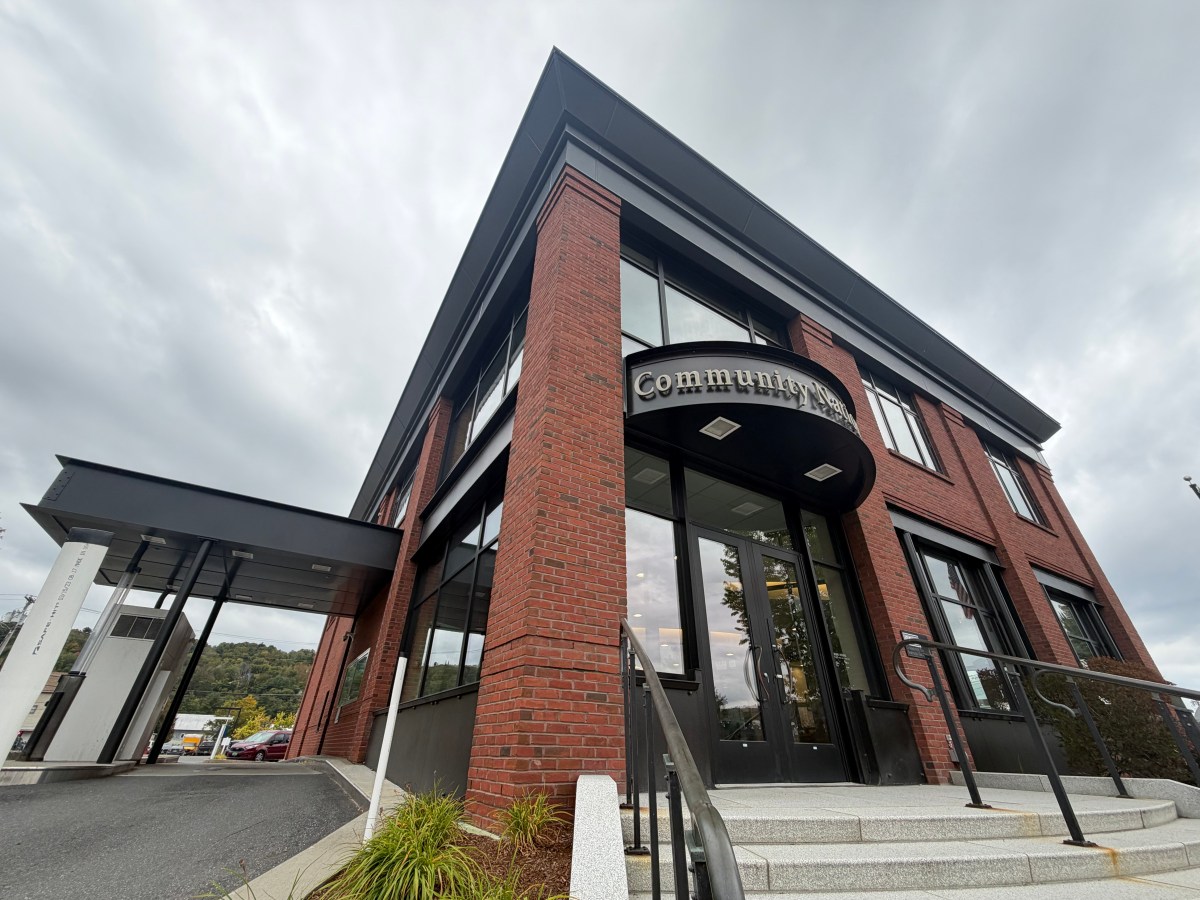
The clinic, from 9:30 to 11:30 a.m. at the Community National Bank in Barre, is an opportunity for Vermonters to receive free legal counseling from volunteer attorneys and Vermont Law and Graduate School students. Everyone who attends will have the opportunity to speak to an attorney, and participants whose needs the clinic can accommodate will be able to walk away with a fully drafted and executed will, Hayes said.
The benefits of having one’s estate in order are numerous, Hayes said, particularly when designating a power of attorney — someone who can act in place of a person who becomes incapacitated — or establishing enhanced life estate deeds. These deeds can be an essential step toward building intergenerational wealth, Hayes added, by ensuring that real estate can pass directly to someone’s descendants without going through probate.
But especially in lower-income households, he said, estate planning can feel like less of a necessity.
“And even if that’s not true, if the perception is that it’s a really expensive endeavor, and I don’t even have money to pay for heat this winter, it’s going to be so deprioritized,” Hayes said.
There’s also an education barrier to seeking estate planning services, Hayes said.
“Some people think that, you know, ‘I’m a lower-income household, I don’t have anything, what could I possibly use an estate plan for?’ But there’s so many things that, if you don’t have them in place, can really be punishing,” Hayes said. For example, a person might become incapacitated without having designated a power of attorney, Hayes said, leaving their loved ones unable to take over their estate.
Hayes said estate planning, such as the type this clinic offers, can help break down barriers and make legal services feel a bit more accessible.
“It’s a cool thing to be able to give legal services to people that feel that they can’t afford it or they don’t deserve it,” Hayes said.
The clinic is part of the mission of the Vermont Commission on the Delivery of Legal Services, which formed in 2025 to address the barriers Vermonters face when accessing legal services. According to Vermont Supreme Court Associate Justice Harold Eaton Jr., the average age of Vermont lawyers is one of the major factors playing into the overall shortage of legal services.
“We have an issue with the graying of the bar,” Eaton said. “By that I mean lawyers getting older, not being replaced by younger lawyers coming in. And in addition, we have a distribution problem in the sense that many lawyers are located in the more populated areas of the state, and that leaves some places without any legal services available or very little.”
This clinic was identified as a simple way of reaching underserved populations and alleviating some of the demand for legal services in a short time, according to State Court Administrator Therese Corsones.
“They were trying to look at something that could be focused and direct that could be accomplished in one day,” Corsones said.
A review of the clinic will be part of a larger report submitted in October evaluating the key findings of the commission during its past year of operation, Corsones said.
“One of the things we hope to gain from this clinic is to see what the need is,” Corsones said. “And if so, the plan would be to replicate the clinics around the state.”
Hayes emphasized that even if writing a will does not have a huge impact on someone’s estate, it can still be a powerful thing to do.
“I’ve done wills for people in hospice where they know that they’re going to die, probably in the very near future,” Hayes said, “and their will is not changing anything that would happen at law otherwise. But it’s just the fact that they’re making that expression, they’re putting it down on paper.
“There’s something very dignifying about being able to do that.”

