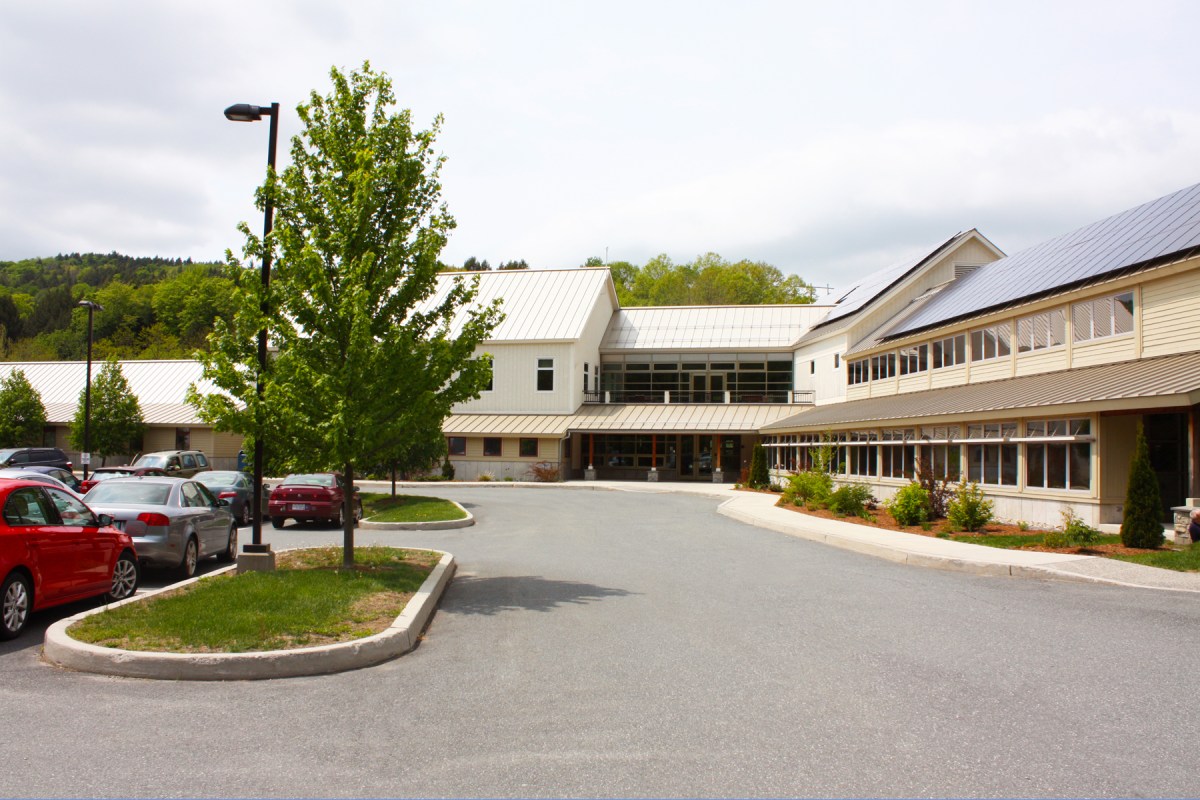
A nonprofit that provides mental health, substance use and developmental disability-related services in Windham and Windsor counties will pay the state more than $390,000 to settle claims that the organization kept Medicaid funds that it should have returned to the state, the attorney general’s office said.
Health Care & Rehabilitation Services of Southeastern Vermont, which is based in Springfield and serves thousands of clients annually, will also be required to implement policies that aim to ensure compliance under the settlement.
“When health care agencies entrusted with Vermont Medicaid funds abuse the system,
the consequences ultimately come at the expense of patients and taxpayers,” Vermont Attorney General Charity Clark said in a press release Wednesday announcing the settlement.
“I am grateful to the parties for entering into an agreement that accounts for the harms of their actions and ensures this does not happen again,” she added.
The majority of the settlement money –– about $301,000 –– is restitution to Medicaid and represents the amount the organization was accused of holding onto, according to the attorney general’s office. The rest will be split between the state and federal government.
Anne Bilodeau, CEO of Health Care & Rehabilitation Services of Southeastern Vermont, said in an interview that she does not expect the settlement to affect the organization’s services, staffing or financial sustainability, and that it had already taken steps to address the issues raised.
The settlement came after an investigation by the Medicaid Fraud and Residential Abuse Unit of the attorney general’s office found evidence that, between 2021 and 2024, the Springfield-based nonprofit held onto Medicaid funds that it should have returned to the state, including keeping money meant to be used for clients whose services were terminated. That investigation was initiated after a referral from the state’s Department of Aging and Independent Living, according to the press release.
The healthcare organization also didn’t appropriately document the medical necessity of certain services, did not always inform clients or their caregivers of changes to the person’s services and did not provide other required notifications to some clients, according to allegations laid out in the settlement.
The organization didn’t contest those allegations but denied violating state or federal law, arguing its actions lacked intent and were due to mistakes, according to the settlement. Bilodeau said the organization had not been aware of the issues before they were raised by the attorney general’s office.
“When the concerns about our, HCRS’s, billing and practices were brought to our attention, we immediately began working cooperatively with the attorney general’s office and state regulators to understand the issues and determine what funds should appropriately be returned,” she said.
Bilodeau said she thought some of the issues may have stemmed in part from challenges during the Covid-19 pandemic, when some services had to rapidly shift from in-person to remote. She also said unclear protocols and a lack of full training for staff contributed to the issues and that the organization has added more oversight on some of its processes.
The settlement requires the organization to create policies that address issues identified in the investigation, including requirements to maintain updated documentation on service plans for clients, ensure that services billed to Medicaid are medically necessary, notify clients of significant changes to their services, and back up those changes with documentation.
Bilodeau said the organization has already implemented changes that address those requirements.
“We did take a close look at our policies and our protocols and refined them, and then trained our staff on them well over a year ago,” she said.
The organization receives the bulk of its funding from Medicaid, according to its most recent annual report. It received more than $60 million in Medicaid and Medicare funds during the 2025 fiscal year, according to tax filings.
The settlement comes during a period of increased scrutiny on Medicaid funding by the federal government, both in Vermont and elsewhere, including a March letter from a U.S. House committee requesting information on the integrity of the state’s Medicaid program.
Bilodeau said she did not expect the settlement to affect future Medicaid funding for the organization.