

Dear Editor,
Vermont has the highest share of households unable to afford the median-priced new home, according to the National Association of Home Builders, with approximately 92% of its households falling short of the income requirement.
So how can Vermont create the housing Vermonters need and can afford and do it promptly? The cost of new construction is prohibitive, and it takes too long because of the time required to design, approve and finance it.
Currently, 70% of Vermont households contain only one or two people and therefore need homes with only one or two bedrooms. Nearly 60% of Vermont’s year-round homes have three or more bedrooms, and many of these larger homes are owned and occupied by one or two older Vermonters who cannot afford to make them accessible and struggle to pay for maintenance and property taxes. Consequently, many Vermonters are living in houses with considerable extra space.
This situation has happened gradually as households across the U.S. have shrunk by around 30%. According to the Vermont Housing Finance Agency, the resulting imbalance is the single largest contributor to Vermont’s near-term housing need.
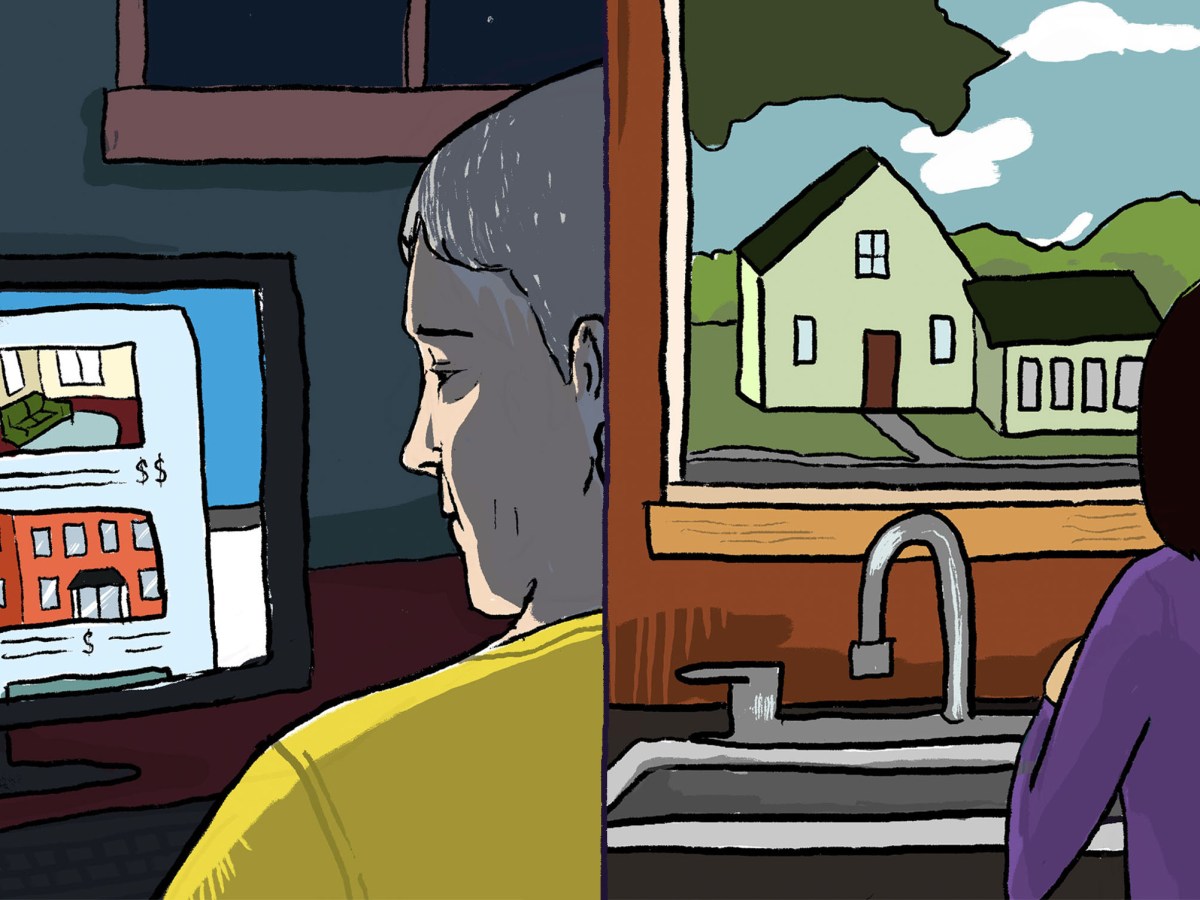
Ironically — and fortunately — this imbalance creates an opportunity to quickly and cheaply provide Vermonters with the modest-sized housing they need and can afford and to help older, cash-starved Vermonters pay their bills and improve the accessibility of their homes. Underoccupied houses could be modified into two units, each with one or two bedrooms, one fully accessible, perhaps on the first floor. The cost and time would be far less than building new. The owners could live in one unit and rent the other.
Older owners would have an accessible home plus a source of income; home seekers would have homes they can afford. Banks could provide loans that owners amortize with the rent they receive, and the state could fund some or all the cost of modification through the existing Vermont Housing Improvement Program or by selling bonds. The state could also exempt this rent from income and education taxes.
Such an initiative would require less time to plan, consume less time to approve, take less time to complete and cost much less than building from scratch. That’s the Vermont way to “git ’er done.”
John Freidin
Middlebury, Vt.

