

This commentary is by Selin Tukel, a medical student at the University of Vermont Larner College of Medicine who is an advocate for equitable healthcare with an interest in obstetrics and women’s health.
Access to maternity care in the U.S. has shrunk in recent years. Shockingly, more than half of U.S. counties do not have a hospital that provides labor and delivery services, according to the 2026 March of Dimes report. In Vermont, it took an average of about 22 minutes to reach the nearest birthing hospital in 2023. For births in the state’s rural community hospitals, average travel time was estimated at 37 minutes.
Why are specifically rural communities facing these challenges? Springfield began the trend; Copley closed its birthing center in November 2025, and Brattleboro Memorial Hospital came within weeks of joining it — reversing course on Sept. 10 only after securing state grant funding, with no long-term fix yet in place. Areas at risk of becoming obstetric deserts include Lamoille County, Windsor County and a large part of southern Vermont. Had Brattleboro Memorial closed its birthing center, it would have created a significant access gap to maternity services in Vermont and bordering states, a scenario the state now says it wants to avoid but hasn’t structurally ruled out.
Commissioned through Act 167, the Oliver Wyman report, published in August 2024, suggests the answer to Vermont’s issues is a regionalized system, since it is not financially sustainable for every hospital to provide every service. In theory, reduction and centralization of certain services would make sense if there were completely reliable communication between facilities. In practice, without a concrete plan for timely transfer with confirmation of receiving center capacity and local emergency department preparedness, regionalization of obstetrics is not always safe.
Significantly, this report also claims, “Free-standing birthing centers could be established to replace closed inpatient obstetrics units.” Act 19 defines these freestanding centers as those providing “midwifery care, low-risk deliveries, and newborn care immediately after delivery, and that are not part of a hospital.” These centers lack the equipment or personnel for obstetric emergencies and must stabilize and transfer patients beyond their care capacities. Solo birthing centers can serve patients with low-risk pregnancies but require timely access to hospital-based obstetric services for emergencies, which the Oliver Wyman report neglected to address.
The impact on the surrounding local communities would have been substantial. Annie Kaufmann, a 13th-generation Vermonter and Brattleboro patient, delivered four of her babies at the birthing center. With three other children at home, Kaufmann said she would have been unable to travel to another location for care if needed. Emily Martyn, a certified nurse-midwife at Brattleboro Memorial, said people would still show up in the emergency department and still have babies at the hospital. With patients already driving an hour to get to the hospital, adding an extra 30 minutes could have meant the difference between life and death.
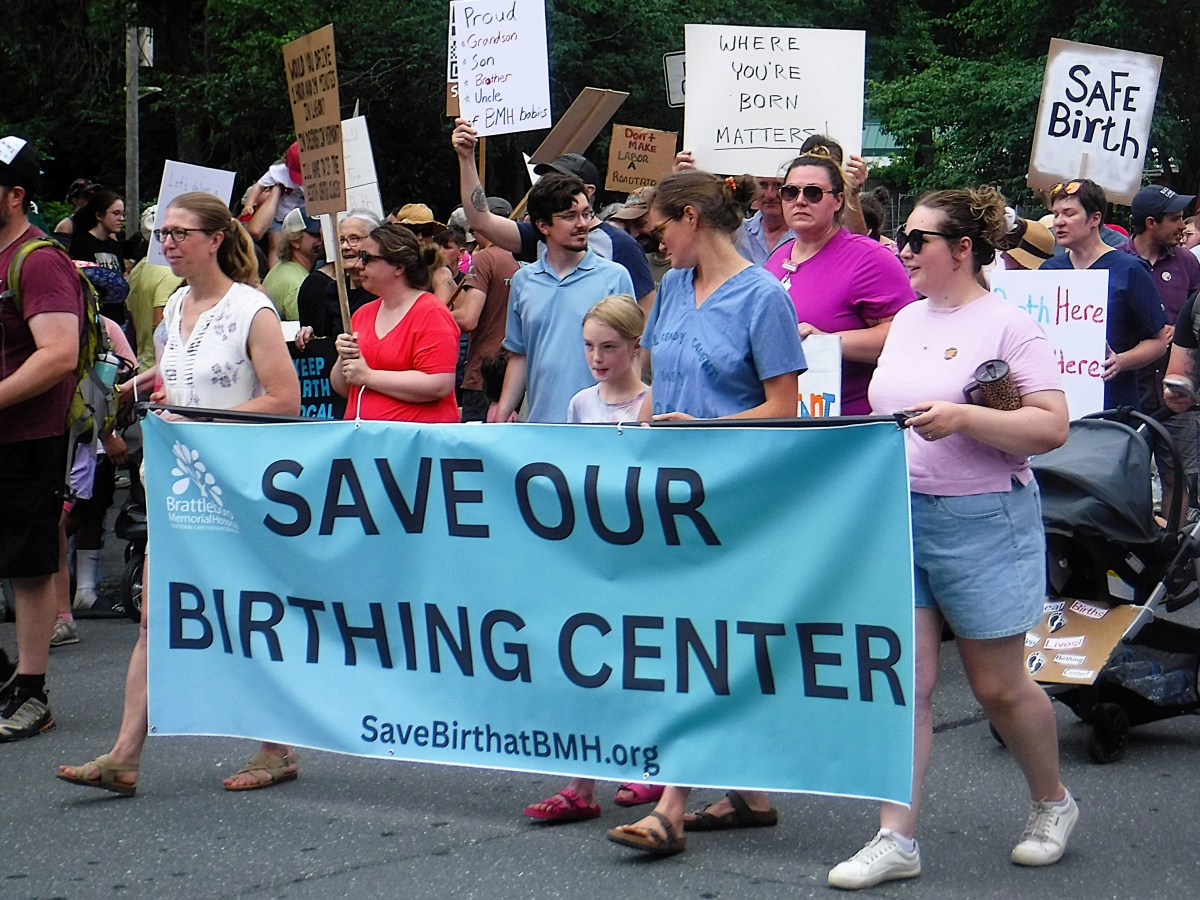
The planned opening of the freestanding Green Mountain Birth Center may be something to celebrate, but it won’t solve the lack of resources in the community. These closures increase travel burden, disrupt continuity of care, strain the workforce and wider community, and widen the gap in care access for marginalized groups.
Obstetrics is not just another service to consolidate because of low volume; maternity care requires highly sensitive and individualized treatment that should be safe and timely regardless of location. There is a clear need for a consistent, statewide process for evaluating the consequences of decreasing hospital-based obstetric care. Vermont doesn’t need another hospital-by-hospital scramble. It needs a statewide plan to keep mothers and babies safe — before the next birthing center closes.

