

Theo Wells-Spackman is a Report for America corps member who reports for VTDigger.
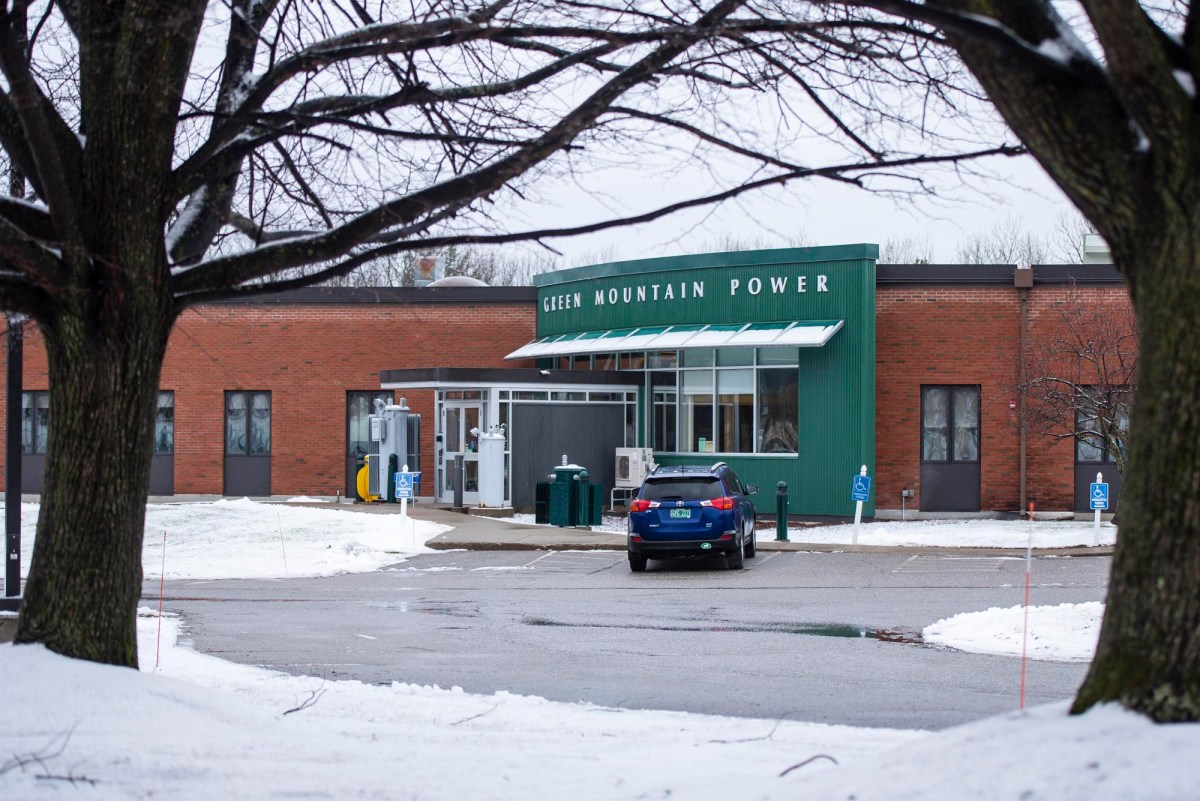
Regulators will allow Green Mountain Power to raise electricity rates by 5.5% for its more than 275,000 Vermont customers — a smaller hike than the 7.5% increase the company initially sought.
The billing change, ordered late last month by Vermont’s Public Utility Commission, will take effect Oct. 1.
The first proposal from the state’s largest electric utility drew criticism from dozens of consumers during the public comment process. The Vermont Department of Public Service, which represents the public interest in regulatory decisions, opposed parts of the spending plan, and the Public Utility Commission, a quasi-judicial body that issues decisions in such cases, opened an investigation into Green Mountain Power’s financial circumstances in March.
In an order published Aug. 28, the three-member commission said that the majority of the rate increase request was “largely outside GMP’s control,” and noted that “nearly all” electric companies in the state had requested relatively large hikes over the past several years. Electricity supply and transmission costs have risen across the region on top of general inflation, the filing noted. Public Service Commissioner Kerrick Johnson estimated last fall that Vermonters’ electric bills would climb 25% by 2030, with some cost pressures still difficult to quantify.
One central point of disagreement between Green Mountain Power and state officials at the Department of Public Service was “resilience spending.” The company asked to earmark up to about $341 million over the course of a four-year period for extra work shoring up its infrastructure against weather damage in the long term.
“Storms are increasing in frequency and severity — Vermonters are feeling it,” said Kristin Carlson, a spokesperson for Green Mountain Power, in an interview Tuesday. “The goal is to deliver projects that keep customers with their lights on, keep them safer and then over time lower storm restoration costs.”
So far, such improvement projects in Vermont have resulted in sharp decreases in power outages and growing financial savings, Carlson said. Green Mountain Power received permission in 2024 to spend about $150 million over the following two years to “harden” its electric networks through projects such as burying power lines. To incentivize infrastructure improvements, Vermont allows utility companies to keep a portion of the returns on such investments without making a direct profit from the sale of electricity.
The Public Utility Commission elected this year to approve about $113 million in resilience spending — roughly a third of the $341 million the company requested. The decision needed to balance what the panel called a legitimate desire for a more robust power grid with officials’ concerns about costs passed on to customers, as well as the completeness of the company’s planning for those improvements.
“There is no dispute that Vermont’s climate is changing,” last month’s decision read. But affordability concerns for residents, the document stressed several times, was “central to our analysis.”
The agreed-upon amount should cover upgrades to Green Mountain Power’s 10 worst-performing circuits over the next four years, the regulators added, while reducing the immediate impact on customers as much as is practical.
More than 50 public comments on the matter were overwhelmingly critical of Green Mountain Power’s initial proposal.
“I cannot afford taxes, utilities, insurance and food anymore,” said Janice McCann in a written statement to the panel. “Something has to give. Please consider the less fortunate people in Vermont.”
John Tatro agreed, adding: “We do not have a choice in power companies to our location so there is no competition.”
Green Mountain Power’s request is far from isolated. Electric departments in Swanton, Hyde Park and Jacksonville have submitted rate hike requests of roughly 30%, 15% and 18% respectively for the coming months.
The price surges come as Vermonters face energy cost increases on all fronts. The state remains among the nation’s most reliant on heating oil, prices for which remain high and volatile. Gasoline prices are also a worry for residents.

