

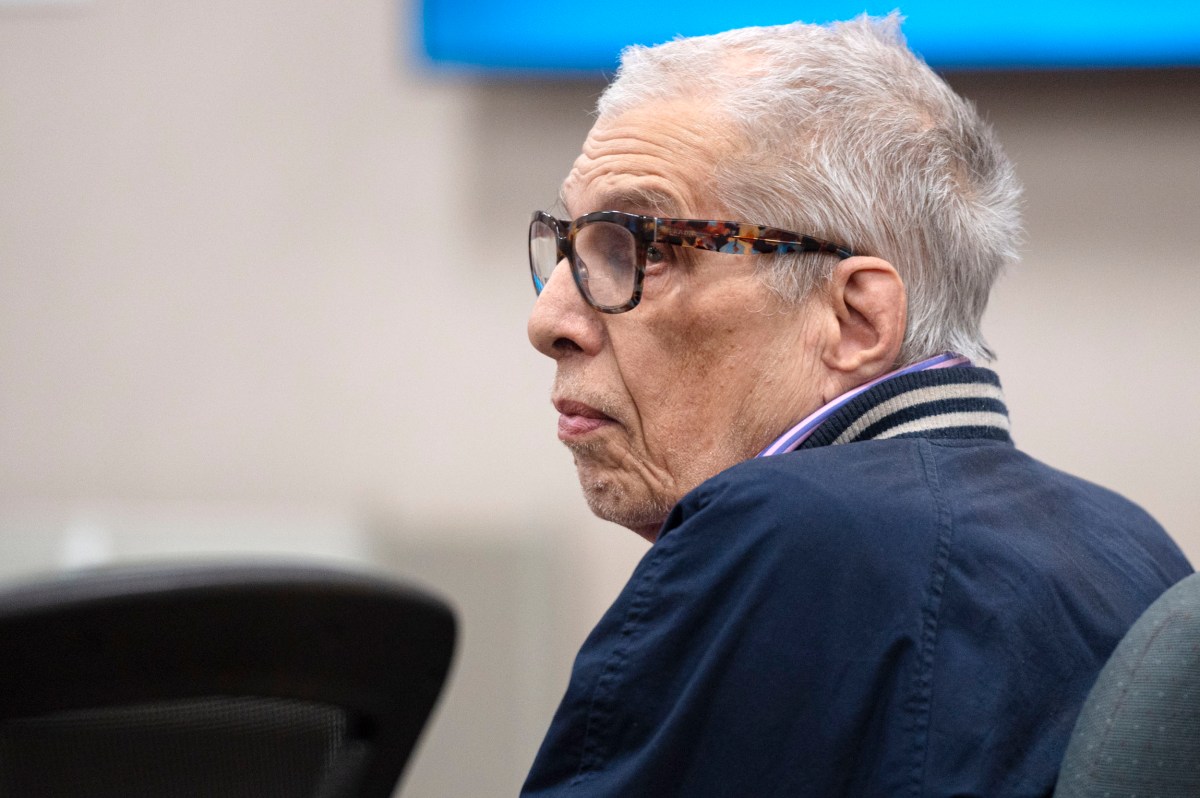
BURLINGTON – A Burlington folk artist pleaded not guilty Thursday to a charge alleging he struck and killed a 16-year-old cyclist in a crosswalk with warning lights flashing.
Douglas Knapp, 79, faces a misdemeanor offense of negligent operation of a motor vehicle resulting in the death of 16-year-old Shiloh Skalka, a high school student from Burlington, on July 16, who had been riding her e-bike.
Knapp, through his public defender Austin Howard, pleaded not guilty to the offense during an arraignment in Chittenden Superior criminal court in Burlington. If convicted of the charge, Knapp faces up to two years in jail.
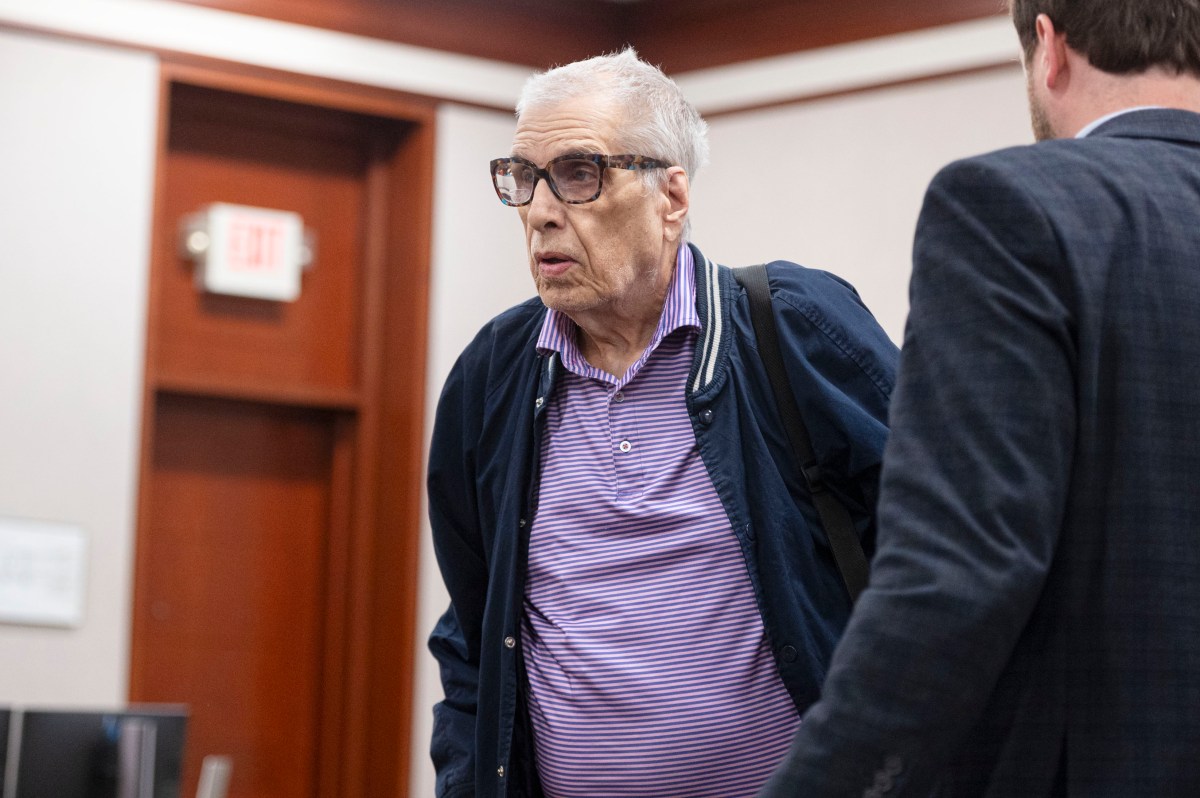
Judge Robert Katims released Knapp on conditions requested by the prosecution, including that he not drive a motor vehicle. Knapp’s next court hearing is set for Oct. 27.
Skalka’s death has led to tributes in her honor and calls for enhanced bike safety protections. A ride in Skalka’s honor and vigil earlier this month drew hundreds of people, Seven Days reported.
Several of Skalka’s family members, friends and other community members filled several rows of seats in the courtroom Thursday, and declined to comment following the hearing.
Knapp, a well-known Burlington folk artist using the name dug Nap, did not speak during the hearing or after it.
Instead, Howard, his attorney, made a brief statement on his client’s behalf to reporters outside the courtroom.
“First, and most importantly, he wants to extend his sincere condolences to the Skalka family,” Howard said of Knapp, who was seated on a bench next to Howard in a courthouse hallway.
Howard also said that the defense had only recently received the state’s charging documents.
“Our investigation is just beginning,” the defense attorney said, adding, “Mr. Knapp looks forward to engaging in the process and letting that process play out.”
Chittenden County Deputy State’s Attorney Kelton Olney referred questions from reporters regarding the investigation to the charging documents.
“Obviously,” Olney added, “it’s very early in the prosecution but the state is pleased that the court imposed the conditions that the state requested, which in this case include a prohibition on driving a motor vehicle on a public highway.”
Knapp was issued a citation by Burlington Police to appear in court on the misdemeanor charge late last month. However, few details were made available at that time regarding what took place leading up to the fatal crash.
A 14-page charging affidavit made public following Knapp’s arraignment Thursday outlines the police investigation leading to the charge that included taking statements from witnesses and analyzing video footage captured from cameras near the scene.
Burlington Detective Cpl. Padric Hartnett wrote in the filing that the crash took place on the afternoon of July 16 at the intersection of Pine and Locust streets.
Hartnett added that the investigation showed Skalka was traveling east to west on her e-bike on Locust Street and stopped at the pedestrian crosswalk. Skalka then activated the crossing signal and waited about 3 seconds before entering the roadway, Hartnett wrote.
While crossing the intersection, Hartnett wrote, Skalka, who was wearing a helmet, was struck seconds later by a Dodge Grand Caravan, driven by Knapp, and traveling south on Pine Street.
“It is reasonable to believe an attentive driver would have noticed the amber LED lights engaged and upon observing the cyclist in the crosswalk, come to a stop prior to crashing into them,” Hartnett wrote. “Knapp was also traveling at a constant speed just prior to crashing into (Skalka), which further indicates his inattention to the roadway and failure to yield.”
Skalka was taken to the University of Vermont Medical Center in Burlington where she later died from her injuries.
Knapp told an officer at the scene that he was pretty shook, adding that all of a sudden Skalka was in front of him and “I’m hitting her,” the affidavit stated. Knapp also said he had no memory of seeing the crosswalk warning lights or if he hit the brakes of his vehicle, according to the affidavit.
Knapp said he hadn’t consumed any alcohol, and noted that he was on prescribed medication, though the officer did not ask him what that medication was, Hartnett wrote.
Police later tried to interview Knapp about two weeks after the crash, the affidavit stated, but he told the investigator that based on an attorney’s advice he would not provide a further statement.
“Knapp was asked if he was on phone during the time of the crash to which he stated he did not have his phone, it was at his studio and not in the vehicle at the time of the crash,” Hartnett wrote.
Hartnett added that it appeared from video footage that Knapp’s vehicle was moving at a consistent speed, estimated at 28 mph in the 25-mph zone leading up to the crash.
