

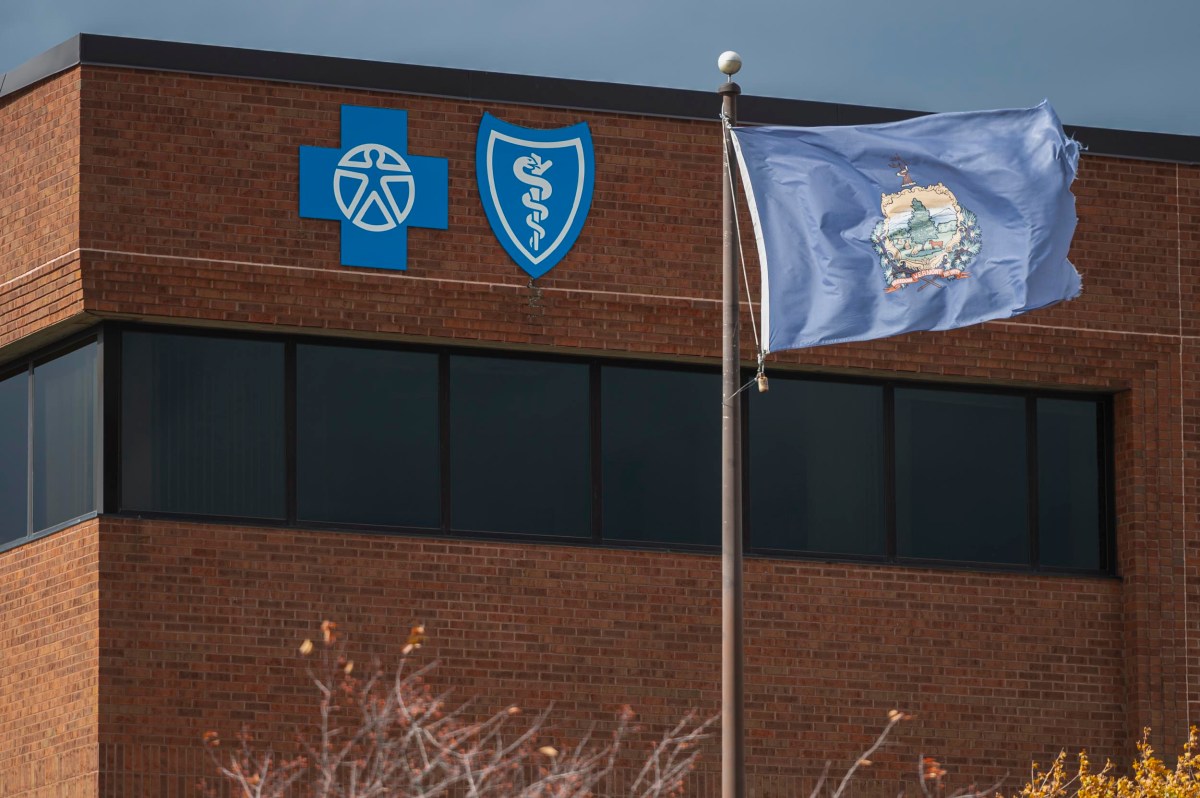
BlueCross BlueShield of Vermont has withdrawn a proposal for cheaper insurance plans that it had intended to offer on Vermont Health Connect for 2027.
Supporters saw the plans as expanding health insurance options for Vermonters, while critics worried it left people with little coverage and potentially high bills.
Earlier this spring, the state’s largest commercial health insurer proposed a new suite of lower-premium, higher-deductible healthcare plans, called “Vermont Basic,” in a bid to make marketplace health insurance more affordable after the loss of federal enhanced premium tax credits led many Vermonters to drop their coverage.
But to sell new plans on the exchange, an insurer needs to go through a series of approvals with the Vermont Department of Financial Regulation (the state’s insurance regulator), the Green Mountain Care Board (an independent state board that regulates marketplace plans) and finally the Department of Vermont Health Access, which manages the healthcare marketplace.
In May, the board delayed its approval of the plan until August, when it typically reviews marketplace insurance plans. BlueCross wanted a decision in June.
The board also made future approval contingent on a series of additional requests, including demonstrated premium reductions and approval of BlueCross’s marketing campaign for the proposed plans.
August, BlueCross BlueShield determined, was simply too long to wait. On June 25, the insurer wrote to the care board to rescind its plans from consideration.
“We are disappointed that we won’t be able to offer this product to the (Vermont Health Connect) market next year. Vermont Basic would have provided immediate premium relief for Vermonters at a time when many are struggling to afford insurance,” Kristina Massari, a spokesperson for the insurer, wrote in an email to VTDigger.
New plans take time and money to prepare for potential buyers, Massari said, neither of which the insurer felt comfortable investing without knowing whether or not the products would even be approved.
The Department of Financial Regulation’s leader thinks that the Green Mountain Care Board’s actions — including the specific requests they made of BlueCross — went beyond the board’s authority. The department had already been working with the insurer to address any coverage concerns and approve it for the marketplace.
The department’s commissioner, Kaj Samsom, wrote the board a June 12 letter that included a three-page breakdown of relevant state laws on various bodies’ regulatory authority.
“These conditions are beyond the authority granted to GMCB,” Samsom wrote of the board’s additional stipulations. “Each of these conditions relates to areas assigned by statute to DFR.”
The issue follows an ongoing confusion over which state actor should do what, when it comes to healthcare. Legislation passed this year, even before the BlueCross Basic came to the fore, called for a better delineation of duties between the Green Mountain Care Board, DFR and other state bodies.
Samsom urged the board to “reconsider the conditions imposed” on the Basic plan.
The Basic plans would have come with lower premiums because they included markedly higher deductibles — up to $11,800 for a bronze plan — than existing BlueCross plans on Vermont Health Connect. The Basic plans also would have kept costs down by offering a narrower, largely in-state network of providers that relied more heavily on prior authorization for out-of-state care.
Many board members worried at a May 6 meeting that Basic plans would’ve saddled Vermonters with even bigger bills as they paid for medical care before hitting their deductible or would have driven them to avoid care altogether.
But others, including Samsom, voiced support for simply expanding the insurance options for Vermonters.
“My concern is that the care board took an approach that said, ‘Unless you can show me that this acts like a BMW, I’m not sure that it’s good for the market.’ That’s a little paternalistic in my view, and it leaves people walking to work instead of having a Chevrolet,’” Samsom said in an interview. “Many Vermonters can’t afford a luxury vehicle. It’s great that we have a state that focuses on the highest quality health insurance, but that also drives price.”
Small businesses in particular, many of which don’t provide insurance for their employees and instead rely on staff buying plans from Vermont Health Connect, liked this cheaper option.
The Vermont Chamber of Commerce wrote to the board encouraging it to approve the Basic plans: “For working Vermonters, particularly younger workers, those who are self-employed, employed by small businesses, or do not qualify for subsidies, the cost of coverage has become untenable,” Megan Sullivan, a staff lobbyist for the Chamber, wrote in a letter to the board.
BlueCross BlueShield intends to offer a similar high-deductible, low-premium option for employers in its Blue Edge Business plans next year, Massari said. Those plans are not subject to board approval.
Correction: A previous version of this story included a misspelling of Kaj Samsom’s name in one instance.
