

This commentary is by John Bossange, the president of the board of directors of Better (not Bigger) Vermont.
Few would deny that we have a shortage of lower and moderately priced housing available for hardworking Vermonters. Sadly, what is being constructed now is often pitched at wealthy second-home and out-of-state buyers rather than local Vermont families. Worse, the new housing is often poorly located and is either an unsightly scar on the natural landscape or a depressing blight along a major road, in a commercial development or in a village center.
Vermonters need a place to live, but it’s disheartening to watch developers clear-cut to build new housing, removing all the trees and vegetation from a site rather than working around existing growth and attempting to preserve the original landscape. This type of development exemplifies putting profit for investors and developers before aesthetics and care for the environment. In those scarred areas, commercial landscaping will take many years to look attractive and seems unlikely to replace what nature created long before most new owners or renters were born.
You have to wonder how new residents will feel driving into these characterless developments at the end of a long workday. Is this what people think will attract younger workers and families to move to Vermont? Will the destruction of other beautiful, natural and open spaces be what we see all over Vermont 20 years from now? People need a place to call home, but the cold, gray, metallic-looking buildings we see everywhere now are depressing to look at and live in. Vermonters deserve so much better.
Does the cost of materials and labor justify building this type of featureless housing? It would be interesting to comprehensively study the finances for the developers of these projects. Where does the profit go when building affordable homes for hardworking Vermonters?
It’s not just large developments. Too often, even new single-family homes are being built on open fields and cleared old forests, miles from work, schools, stores, libraries and other essential quality-of-life services. Many are cold and bleak, with few windows, lacking individual character and any signs of original trees or natural greenery. Given the high cost of housing, Vermonters deserve a better and more affordable deal.
If we are going to construct more new homes, we must not allow developers to permanently scar our landscape by clear-cutting the natural growth, damaging the natural environment and building drab, unsightly housing. Environmental degradation does harm that is expensive or impossible to repair.
We also need guardrails to prevent developers from passing the long-term costs of development on to taxpayers, who will otherwise end up paying for upgraded infrastructure to provide more fresh water, new stormwater and waste treatment plants, roads carrying more traffic, more school classrooms and teachers, more man-made recreational options, and essential police and fire safety coverage.
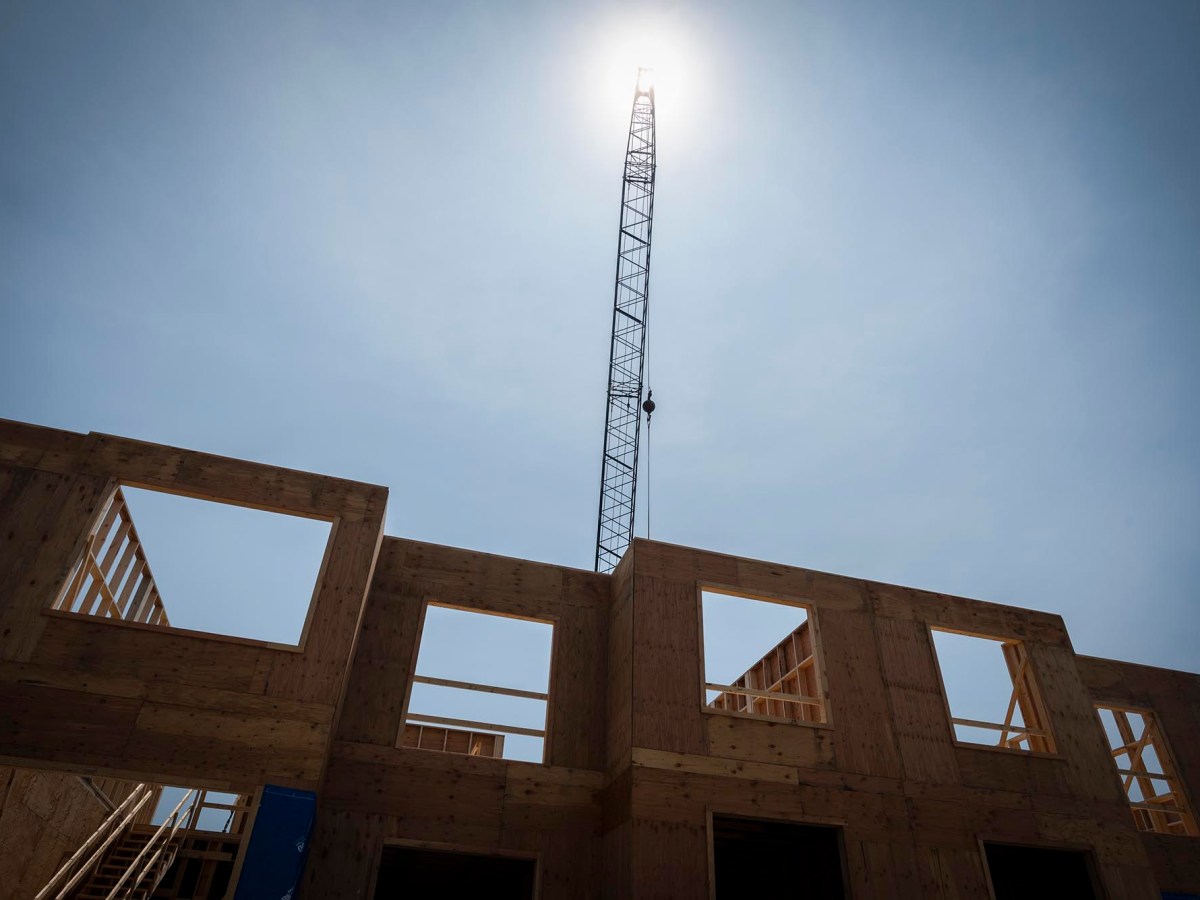
Let’s also be wary of schemes to saddle long-standing residents with the ancillary costs for these public services through complex tax schemes, like tax increment financing and the Community and Housing Infrastructure Program. These questions about economic sustainability must be asked by town and village selectboards, city councils, development review boards, planning commissions and interested residents before any building permits are approved.
This type of civic engagement is often cast as red tape, designed to delay the building of homes and apartments. But these issues are about livability while sustaining the economic and environmental fabric of a community. Vermont’s most valuable asset is communities integrated sustainably with the natural beauty of our environment. Recent efforts to increase housing will forever change the characteristics that make Vermont the beautiful state we call home.
We all deserve better.

