This story, by Report for America corps member Carly Berlin, was produced through a partnership between VTDigger and Vermont Public.
A partial repeal of the controversial land-use law Act 181 is now official.
Gov. Phil Scott signed S.325 on Tuesday evening, marking a win for a broad coalition of rural landowners who organized en masse this year to protest against Act 181, a land-use permitting overhaul passed in 2024.
Two years ago, the Democratic supermajority in the Legislature passed Act 181 as a bid to boost housing development while also strengthening environmental protections. The law loosened Act 250 state permitting rules in downtowns and village centers, while beefing up development review elsewhere.
Scott, a Republican, vetoed the legislation in 2024. He argued that it focused too much on conservation efforts and not enough on encouraging housing growth, particularly in rural areas.
Many rural landowners, housing advocates and municipal officials ultimately agreed, once the results of a monthslong mapping process set off by Act 181 started to come into focus earlier this year.
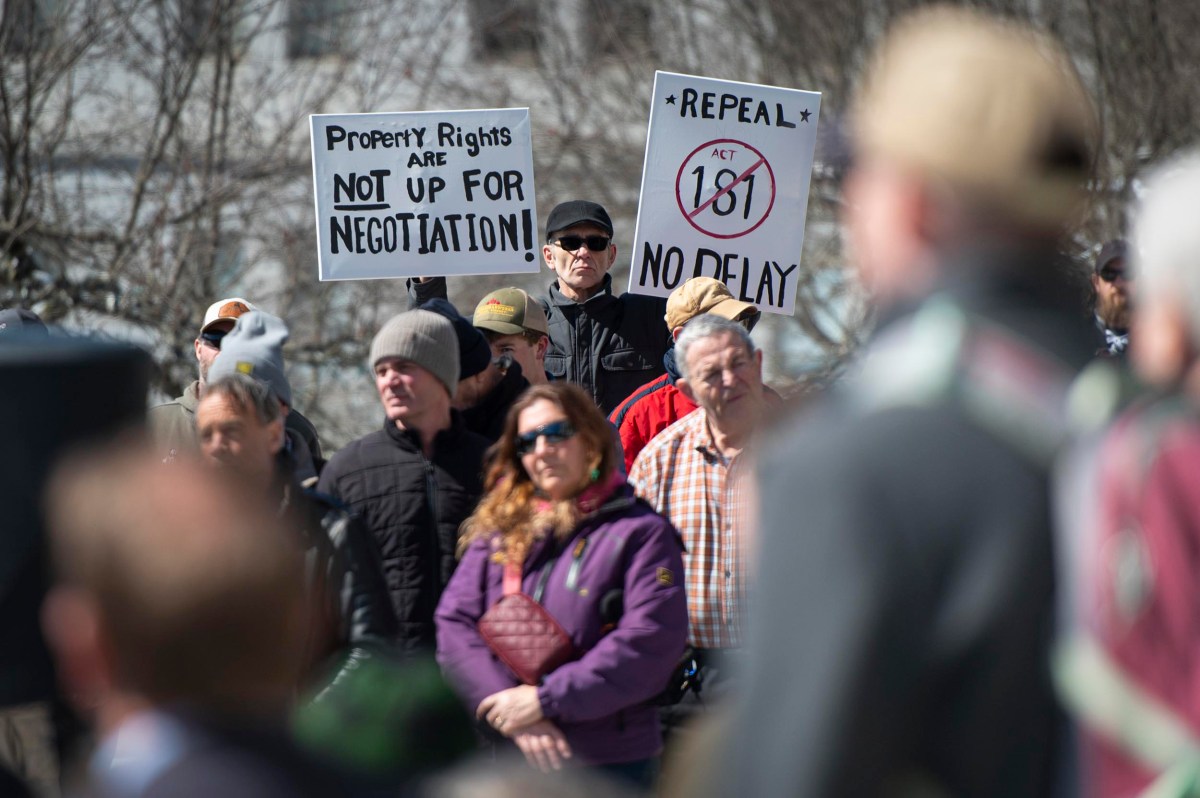
Hundreds of landowners protested Act 181 on the Statehouse steps this spring, arguing that its conservation measures amounted to an overstep of personal property rights decided by faraway planners that would devalue their land and make establishing new homesteads prohibitively expensive.
Their advocacy – along with pushback from pro-housing lobbyists and town leaders – prompted Democratic lawmakers to make a dramatic about-face. The House signaled its willingness to partially repeal Act 181 in April, and the Senate went along in May.
The new law now signed by Scott rolls back the portions of Act 181 that sought to beef up environmental protections around development in sensitive natural areas.
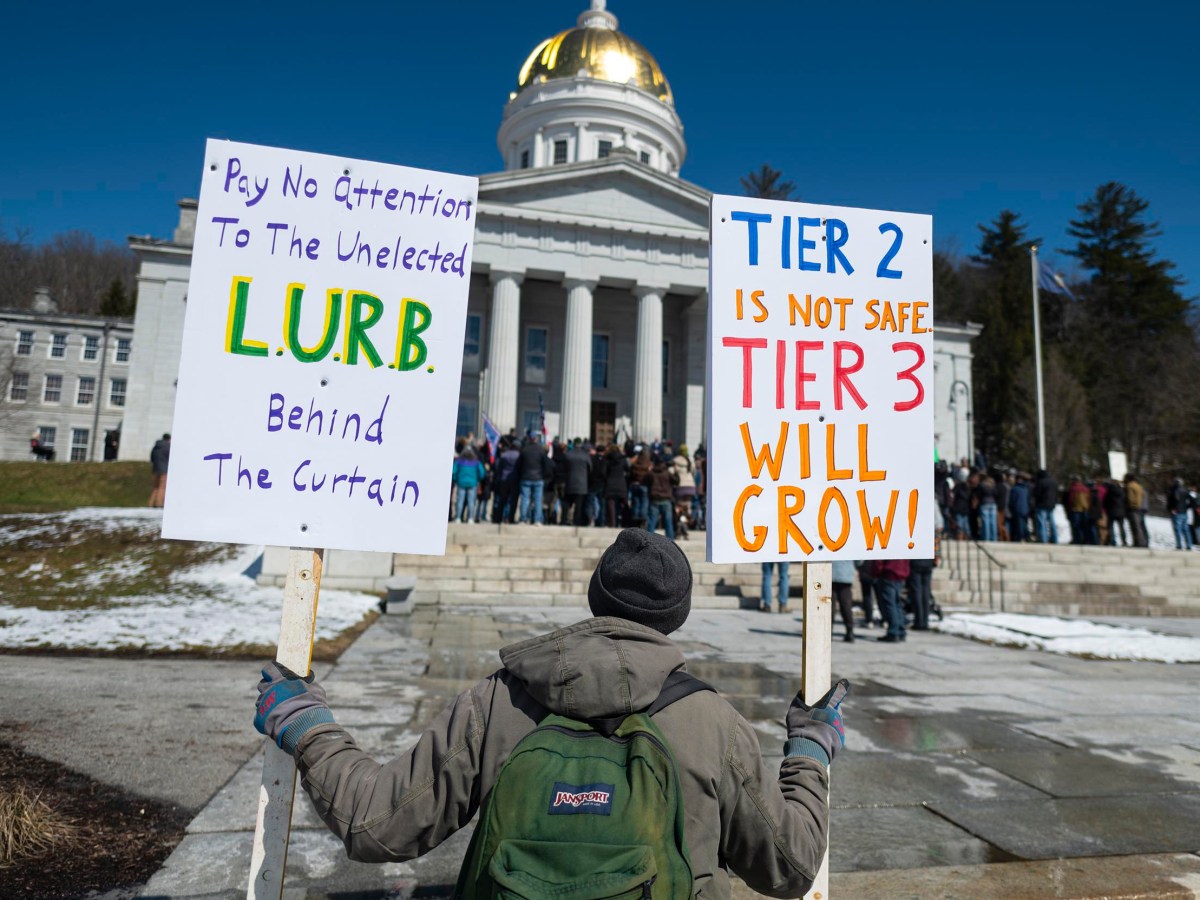
Those include a “road rule” that would have required a permit for private road construction over 800 feet in much of the state in a bid to limit the fragmentation of forests. The law also repeals measures that would have required more stringent state review over building near designated habitat connectors and headwater streams, among other areas.
Some conservation-focused lawmakers like Rep. Amy Sheldon, D-Middlebury, chair of the House Environment committee, have suggested that future legislators need to consider different ways to protect Vermont’s forests and farmland – with carrots instead of sticks. The legislation signed by Scott includes a public engagement plan to consider how to protect natural resources in Vermont going forward.
Sheldon, one of Act 181’s architects and the subject of intense blowback online this spring that drew rebukes from legislative leadership, is not running for reelection.
The grassroots group that formed to oppose Act 181, now dubbed Rural Vermont Rising, has over 15,000 members in a Facebook group and is organizing local chapters.
Neil Ryan, a cattle farmer and brand consultant in Corinth who has been a prominent leader in the mass movement, expressed his appreciation that the Legislature changed course on Act 181 this year – and that Scott made their pivot official. Now, he’s looking ahead to election season.
“There really needs to be a refresh or a reset at the Statehouse – where our representatives and our senators start looking afresh at solutions for rural Vermont,” Ryan said.