

The Vermont Conversation with David Goodman is a VTDigger podcast that features in-depth interviews on local and national issues. Listen and subscribe for free on Apple Podcasts, Spotify, YouTube or wherever you get podcasts.
The birth rate in the U.S. has dropped by an astonishing 22% since 2007. Are smartphones to blame?
Yes, according to a groundbreaking new study by Middlebury economist Caitlin Myers. Her smartphone study is garnering national attention this week, confirming an idea that people have long speculated about but until now have lacked data. Myers and co-author Ezekiel Hooper showed that from 2007 to 2011, after the iPhone was introduced, there was a sharp decline in births, up to half of which can be attributed to the smartphone. They say that smartphones have led to “reducing in-person interactions, increasing pornography use, and reducing sexual frequency.”
Myers says a declining birth rate is not necessarily bad, but that there are “many aspects of it that really concern me, aspects that relate to economic growth and supporting older generations, but also questions of what does this mean for humans.”
“Everybody’s just doom scrolling on their phone alone and isolated and not forming relationships.”
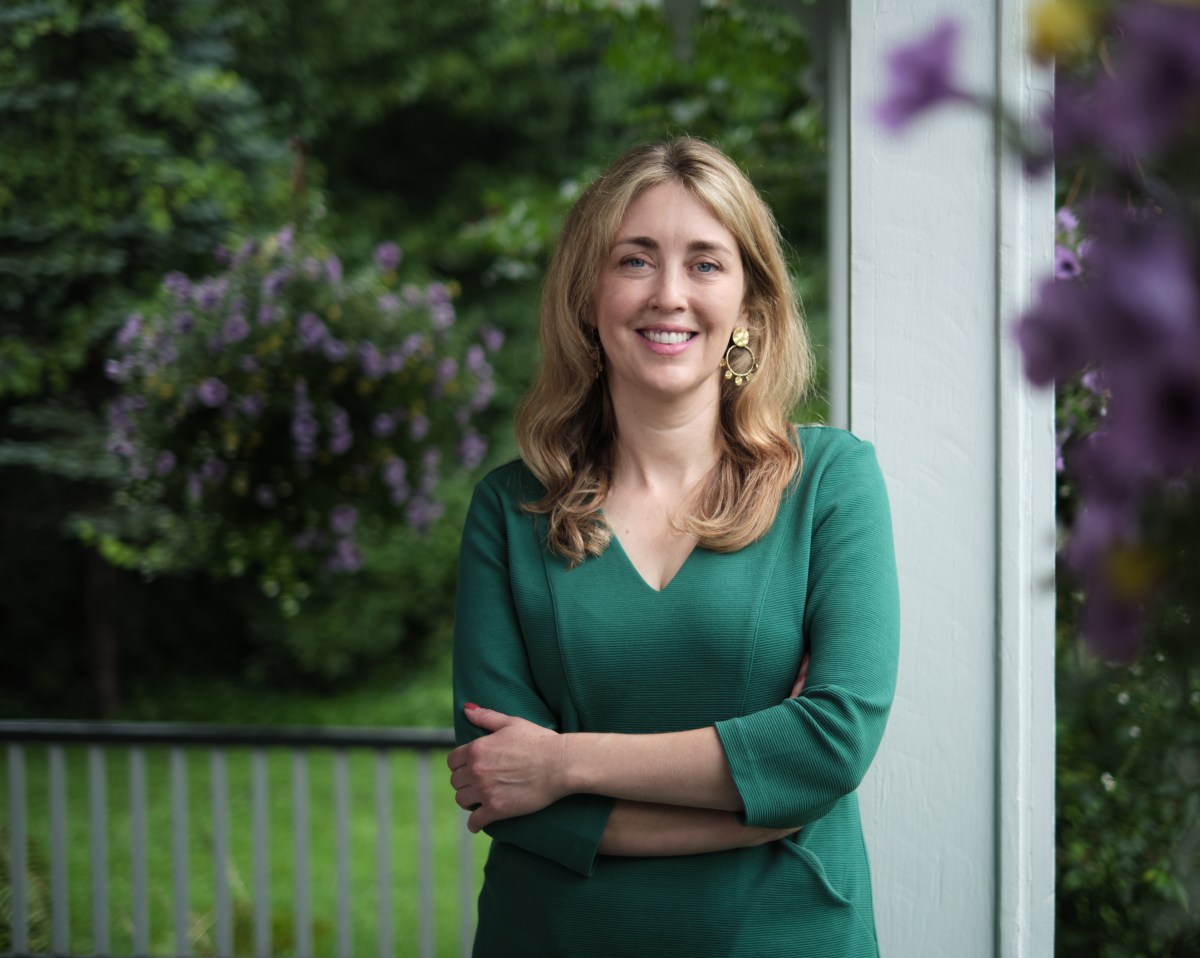
Myers is the John G. McCullough Professor of Economics at Middlebury College and a research associate at the National Bureau of Economic Research. She is well known for her research into the effects of abortion policy on people’s lives. She has testified in the U.S. Senate about the economic consequences of the 2022 Dobbs decision ending the constitutional right to abortion, and she spearheaded the amicus brief in the Dobbs case that was signed by over 150 economists, highlighting the negative impact of limiting abortion access. Myers also runs a national database of abortion providers.
Myers said the Dobbs decision has resulted in about 30,000 additional births “concentrated among people who are younger, have less education and have really limited financial resources.”
“The post-Dobbs era is an inequality story,” she told me. “There are parts of the country like ours where the Dobbs decision almost paradoxically expanded abortion access” due to increased availability of telehealth and medication by mail.
But in states like Texas, Louisiana and West Virginia that have enacted near-total abortion bans, only 80% to 85% of people who want an abortion are getting one. That leaves up to one-fifth of people who want an abortion “trapped. They aren’t finding the means, the information, the resources, the safety and security to travel long distances or to order pills through the mail, and they’re giving birth as a result.”
Myers grew up in rural West Virginia and Georgia. She empathizes with those who don’t think like her. “As a Southerner it breaks my heart when I hear people dismiss the people I grew up with, the places I’m from, the beliefs that they have.”
“We all know it’s not just about dismissing far-away Southerners. There are divides within our own state.”
Myers wonders “whether we could potentially bridge these divides rather than saying, ‘Yeah, I just don’t think this is going to work out,’ like we’re never going to agree.” She wants to do her “tiny little part to create a world where we give each other more grace.”
