

Dear Editor,
As a former Vermonter now living in upstate New York, I’ve been interested in the stories detailing “No Kings” rallies taking place across the Green Mountain State. I’ve lived the Vermont experience firsthand, so it’s no surprise to see on full display the civic and political identity that would simultaneously protest a single individual’s grip on government power in the executive seat while doing so in a state famous — or should that be infamous? — for repeatedly allowing its own chief executive to remain in power for as long as that one single person desires to retain that authority over the lives of the state’s citizens.
Vermont is heading toward another gubernatorial election. The incumbent may well seek a sixth consecutive term in office. The election is again taking place in an environment that seems to me to assume the incumbent is unbeatable, challengers — fairly or unfairly — are lightweight and the result is a foregone conclusion, even before the candidates are locked in on the ballot.
Perhaps the people of Vermont could use a reminder that it has now been more than 60 years since an incumbent governor in Vermont has chosen to run for reelection and lost. The last time it happened was before John F. Kennedy was assassinated; before Martin Luther King Jr.’s “I Have a Dream” speech; before the moon landing; before the first Super Bowl; before Act 250, the billboard ban, Green Up Day, VPR and Ben & Jerry’s; before … well, you get it.
For more than six decades, only two reasons have stopped a current governor from continuing in power: voluntarily yielding the seat or death.
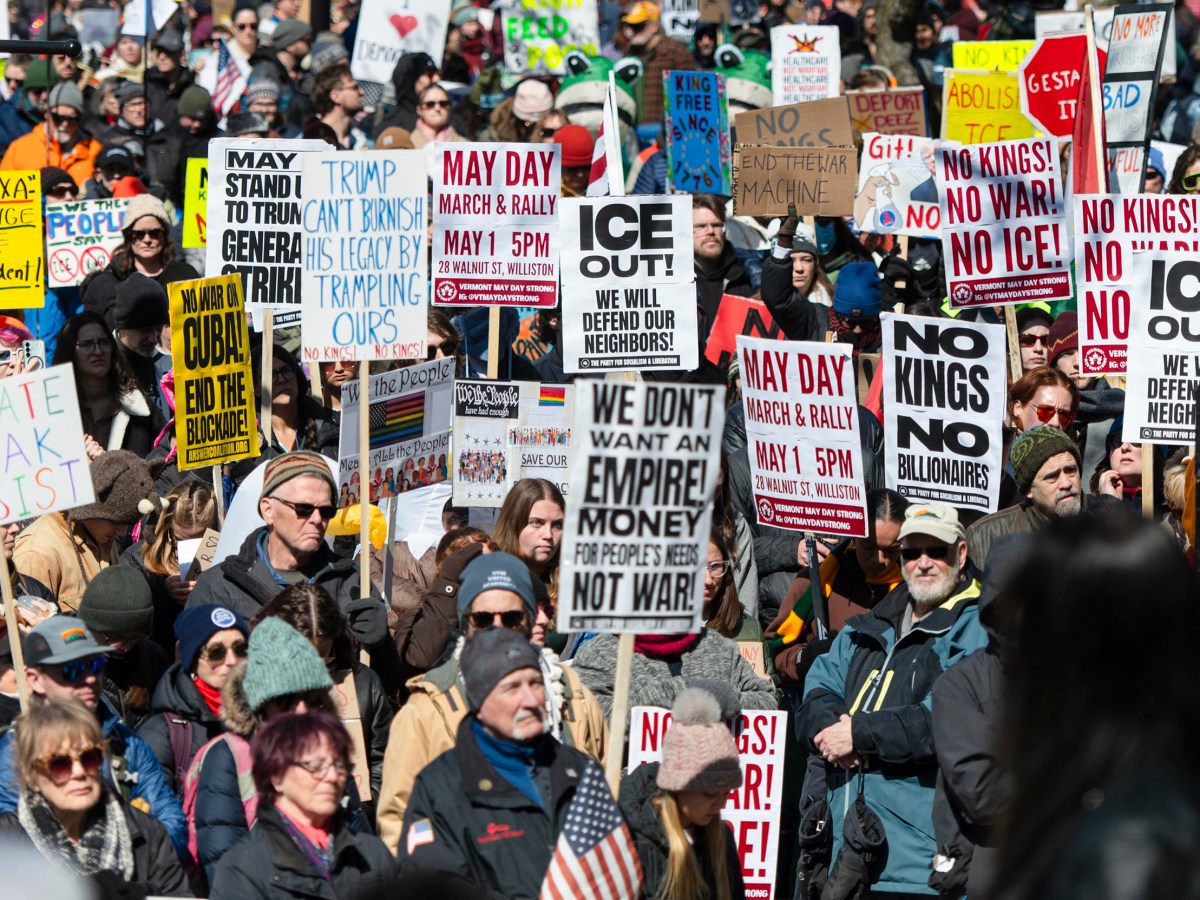
That sounds a lot like a monarchy to me. And while the pattern is not exclusive to one side or the other in our two-party system, the current situation is without precedent.
The current governor has vetoed 60 bills passed by the state Legislature during the nearly five terms he has now been in office. In 2021, he set the record for most vetoes by any Vermont governor; the previous record had been held by Howard Dean, who had vetoed 21 over 12 years. How many times will the legislative will of the state’s citizenry, as acted on by elected representative legislators, be rejected by the executive if the current governor serves a sixth term?
In combination with Vermont’s electoral history in the U.S. Senate and the U.S. House — which also allows incumbents to hold those positions until freely giving them up or dying, Bernie Sanders’ initial House win in 1990 being the modern exception — it’s probably hard to top Vermont when looking for any state in the union that loves having its people in the most powerful positions hold onto that power like a royal.
I’d like to believe that Vermonters can do better.
Kristian Connolly
Cooperstown, N.Y.
