

This commentary is by Peter Walke, the managing director of Efficiency Vermont.

The cheapest energy is the energy we don’t use. This simple fact has guided Efficiency Vermont for more than two decades. It remains critical for Vermont’s energy future.
Efficiency Vermont is the state’s energy efficiency utility, created in 2000 and overseen by the Public Utility Commission to help households and businesses reduce energy use and lower costs.
As we plan for the years ahead, we’re listening to feedback from Vermonters. Our latest three-year proposal to the Vermont Public Utility Commission is informed by surveys of nearly 900 residents and hundreds of businesses. That proposal sharpens our focus on affordability — and removes $3.75 million from our proposed budget.
Half the Vermonters we surveyed said they believe the state is unaffordable, but more than 70% said energy efficiency programs make Vermont more affordable. Nearly nine out of 10 agreed that an independent organization like Efficiency Vermont is essential to reducing energy costs.
Vermonters know efficiency is a solution to high costs. Since our work began 26 years ago, the sum Vermonters will save over the lifetime of the efficiency investments our state has made amounts to more than $3.5 billion. Without these investments, our homes and businesses would be buying 15% more electricity than they do now.
Understanding efficiency reveals why it’s one of the most powerful tools we have to keep energy bills affordable.
Almost every home or business in Vermont connects to our shared electric grid. It sends the electricity we need to run a refrigerator, control our thermostats and connect us to the internet.
Making electricity costs money. Power plants burn fuel to generate electricity, or they rely on sophisticated equipment such as hydroelectric dams, wind turbines and solar panels. Skilled workers ensure there’s safe, reliable power at all hours of the day. Moving that electricity through transmission lines, poles and wires also costs money. This network requires constant maintenance and investment. As electricity demand rises, expanding this system costs money, too.
When we pay our electric bill each month, it covers the costs of running the entire electricity system. Efficiency is key to keeping those costs low — because it’s cheaper to use less electricity than to generate and distribute more of it. Efficiency allows us to get more out of the system we’ve already paid for.
Efficiency isn’t just about lower costs. It’s about living better with lower costs.
It means a more comfortable home with more affordable bills through weatherization and efficient appliances. At work, it means lower costs and a stronger bottom line thanks to optimized equipment.
More efficient homes and buildings cost less to keep running. They’re more resilient to extreme weather such as winter storms or floods. They’re better prepared to switch from fossil fuels to cleaner technologies like electric vehicles and heat pumps.
Efficiency lowers Vermont’s greenhouse gas emissions and reduces power use when the grid needs it most. That makes electricity cheaper and expands capacity for things we want, like more homes, new business opportunities and economic development.
Weatherization solutions such as insulation and air sealing — closing up the small cracks and gaps in a building that let air leak in and out — make homes and businesses more comfortable while reducing energy costs. That’s why weatherization is a major focus in our new proposal. Federal funding has supported this work in recent years — but no longer. Vermont policymakers devote our state’s Regional Greenhouse Gas Initiative (RGGI) revenues to weatherization. This provides critical, dedicated funding for this work.
While other states redirect RGGI revenues for short-term initiatives, Vermont’s approach ensures we’ll continue to support the long-term affordability that weatherization provides. In our proposal, we’ll bring the comfort, savings and climate benefits of a weatherized home to more Vermonters with our rebates and programs.
We’ll also strengthen our partnerships with Vermont’s Weatherization Assistance Programs by directing $1.5 million each year to support projects for the low-income households and apartments they serve.
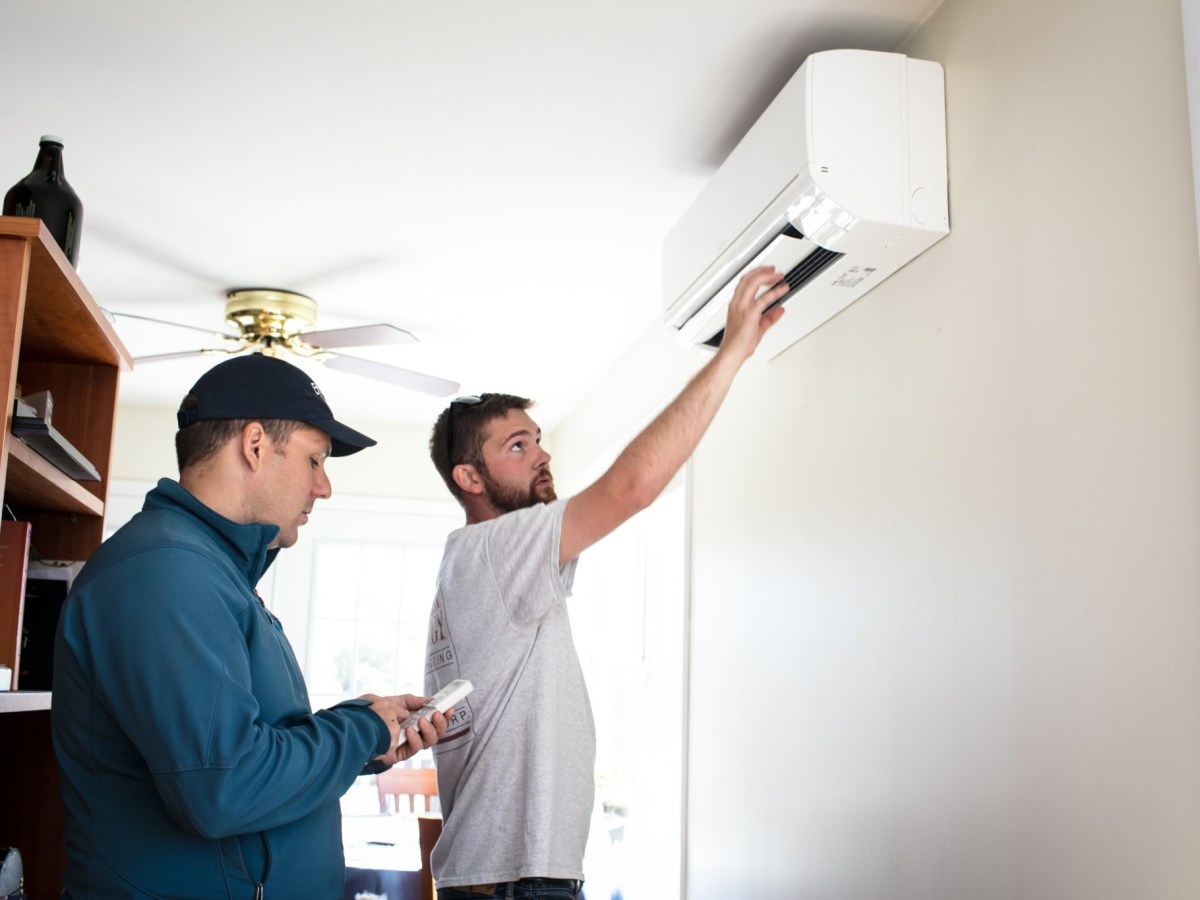
The next three years require Vermont to focus efficiency investments where they deliver the greatest public benefit. That includes improving heating solutions for households struggling with high energy costs. It also means prioritizing projects that reduce strain on the electric grid — including upgrades to industrial processes, refrigeration and heating, ventilation and air conditioning (HVAC) systems — so ratepayers avoid the higher costs of expanding infrastructure.
Efficiency works because it lowers costs before they show up on anyone’s bill. At a time when affordability is front and center for Vermont families and businesses, using less energy remains the most practical and proven way to keep costs down.

