

This commentary is by Richard Gagnon, who is currently housed at Southern State Correctional Facility.
Charlotte Oliver’s recent piece in VTDigger regarding her visit with Vermont legislators to Southern State Correctional Facility was cheerful and upbeat. One could get the mistaken impression that the prison’s “colorful cafe” and “hallways with shiny floors … like a school” suggest an entirely benign place.
Vermont prisons are warehouses for convicted lawbreakers and detainees, many waiting years for final charges and trial. Prisons embody huge compromises between the goals of keeping staff and residents safe and efforts to educate and socialize residents, eventually returning them to their communities and families. Oliver’s article seemed to be a snapshot of a so-called typical day in a Vermont prison, but it barely scratches the surface of a very complex situation. The negative effects of staffing shortages weren’t even mentioned. Correctional officers work 16-hour shifts to fill schedule vacancies. The stress on correctional officers, support staff and their families results in high rates of people quitting. New hires are a stopgap until they, too, tire of the onerous hours and low morale, which triggers more vacancies, and so on.
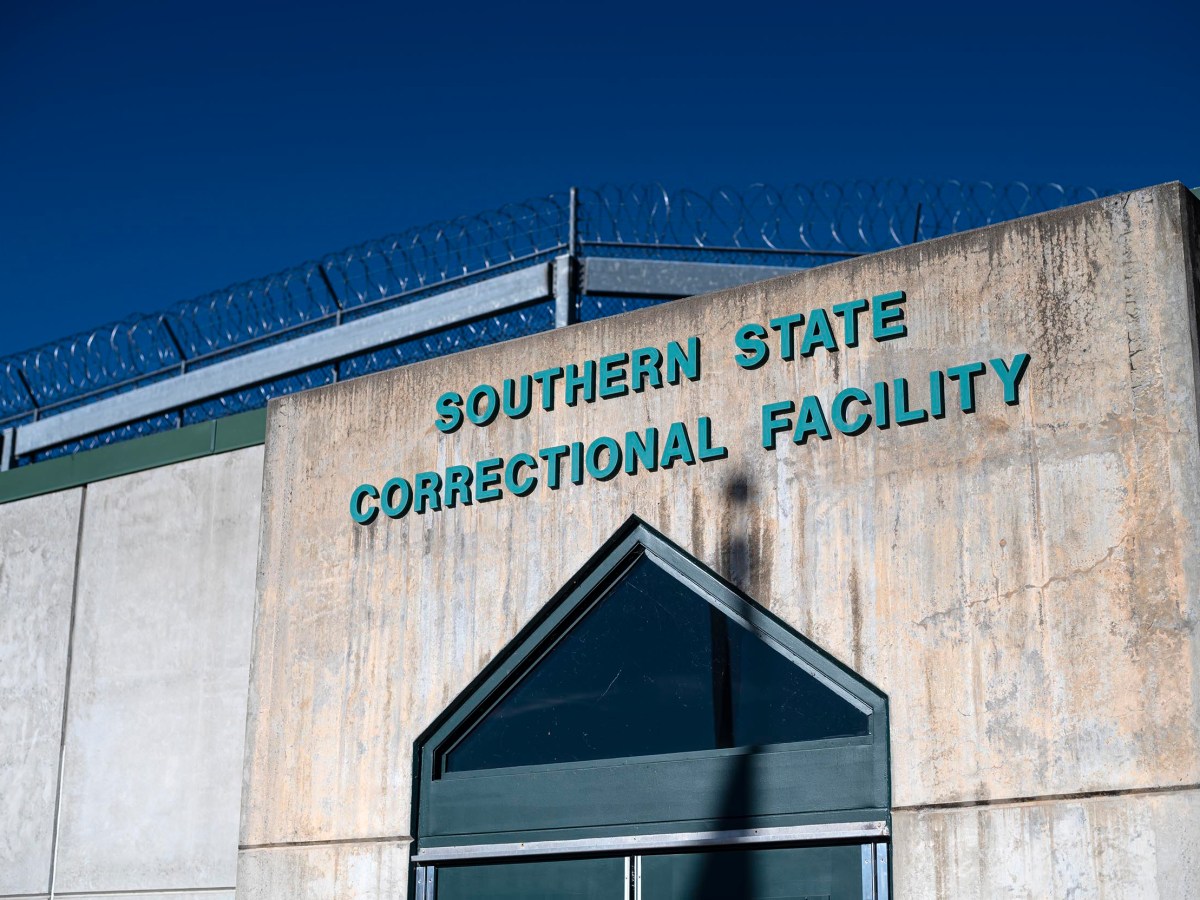
The Department of Corrections budget continues to be a huge burden on Vermont taxpayers. Constant prison lockdowns and shutdowns resulting from staff shortages affect Community High School of Vermont classes and other classes led by volunteers, like Alcoholics Anonymous and church groups, as well as volunteer-led educational groups. Outside recreation and walking in the exercise yard, which are essential to good physical and mental health, are frequent casualties of the lockdown issue. The same applies to access to the gym, as it is seriously underutilized.
Shutdowns disrupt the timely distribution of medicines to diabetics and medicines to safely wean residents from opiate addiction. Medications needed for mental health stability are distressingly out of stock, and off-brand versions are prescribed at dosages far less than those originally recommended by regular providers. That the current Vermont-selected health maintenance organization for the DOC may have contributed to the failing health and untimely deaths of SSCF residents is no secret. Testimony to these views has been given in VTDigger and other news sources.
The India unit — a unique housing unit at SSCF — is no longer a so-called honor unit and hasn’t been for quite some time. After four years, it remains an unsupervised unit with no around-the-clock correctional officer supervision, which has probably saved Vermont taxpayers a considerable amount in unpaid salaries, sick and vacation time, and health care plan subsidies. Many of the original earned privileges have been discontinued.
Several in-depth surveys of SSCF staff and residents by the Prison Research and Innovation Network are available on the DOC website. They represent an ongoing project dialogue among some University of Vermont faculty, DOC staff at all levels and residents of SSCF to develop practical solutions to a range of DOC problems and challenges specific to prison culture.
But amid these failures, some programs demonstrate what is possible when DOC staff take a genuine interest in residents’ well-being — as with Colleen Nilson and her DOC staff tasked with running the Open Ears program in Vermont prisons, a peer-to-peer counseling program staffed by residents to help prison residents cope with day-to-day and ongoing challenges. Hundreds of individuals have been aided since 2017. I am one of many trained coaches who have helped foster better mental health for both myself and participants in the program. Forward-looking DOC staff who approved the program and continue to support it deserve congratulations for their wisdom and faith.
