


This story, by Report for America corps member Carly Berlin, was produced through a partnership between VTDigger and Vermont Public.
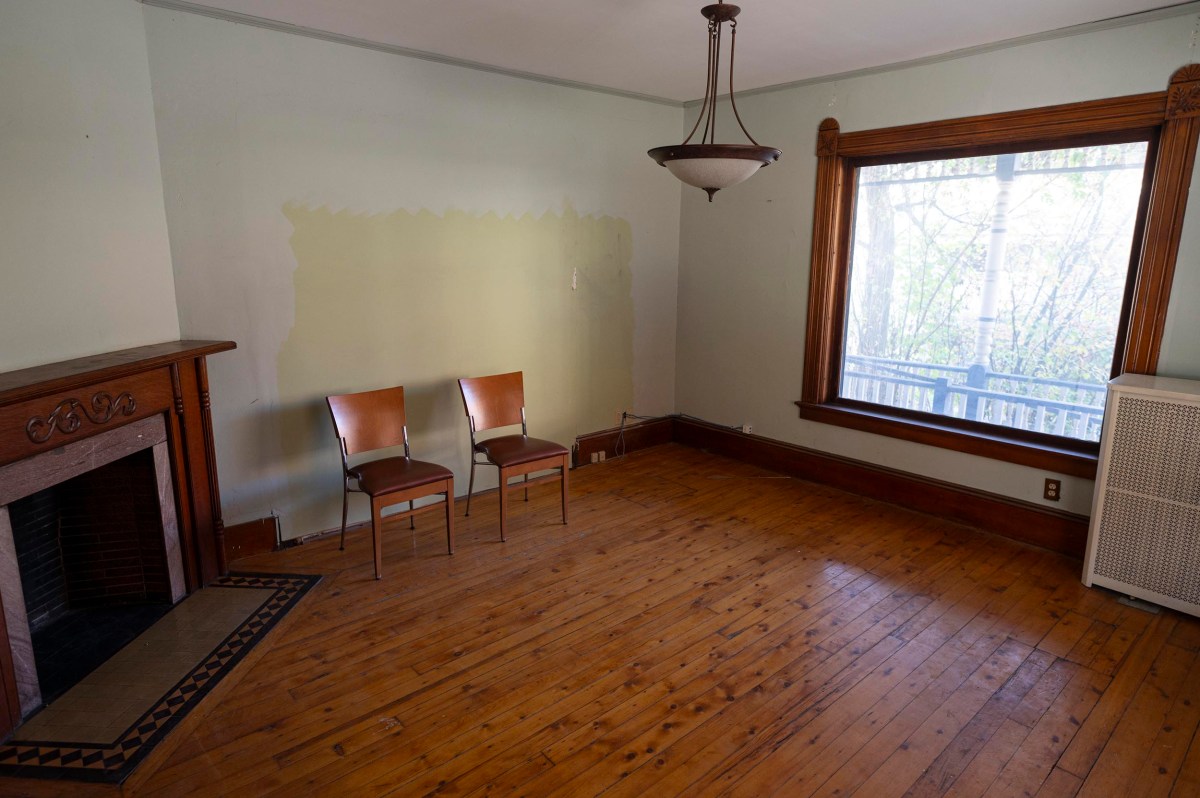
MONTPELIER — A rambling Victorian house a few blocks south of downtown will soon become the Capital City’s first year-round shelter for people experiencing homelessness.
The nonprofit Good Samaritan Haven had searched long and hard for the right property to establish a new Montpelier shelter. The site needed to be out of the floodplain, said Julie Bond, the organization’s executive director, so the nonprofit wouldn’t need to evacuate its guests when floodwaters rose — a frequent dilemma at Good Sam’s shelter in nearby Barre.

The organization has run a winter-only shelter for several years at the former Elks Club property in Montpelier, but the operation was difficult to access on foot and residents needed to leave during the day. And the need for shelter in town was evident beyond the coldest months of the year.
When the old Victorian came on the market in the spring, the organization leapt at the opportunity. But remodeling the building into a suitable home for 18 unhoused guests has proved its own saga. Bond estimated the renovations will be complete in January or February.
“We’re just truly hoping … that we don’t lose as much of the winter as, you know, is possible,” she said.
The new shelter beds can’t come quickly enough. Vermont’s rate of homelessness remains at a record high, and a greater share of people experiencing homelessness in the state now live outdoors. Encampments have cropped up in parks and in the woods from Burlington to Brattleboro, prompting clashes with neighbors. Montpelier has been no exception — city officials removed an encampment from a riverfront park in July after an assault occurred there.
Meanwhile, the long-running scale-back of the state’s motel voucher program places more pressure on local shelter providers to open up beds before temperatures begin to plummet.
Shelter plans span the state
A number of other shelter providers are hurrying to open their doors before snow begins to fall.
In Burlington, the Committee on Temporary Shelter is wrapping up a shelter expansion project at a former federal building on Pearl Street. The organization ran the site as a seasonal shelter last winter, but has since renovated the building to add more beds and more privacy for guests, according to Jonathan Farrell, the organization’s executive director.
COTS plans to relocate guests from a different shelter location to the Pearl Street site in early November, and aims to ramp up to full capacity — for 56 people — by early December, Farrell said.
In Rutland, BROC Community Action plans to open a new year-round shelter site by January, according to Eric Maguire, the social service organization’s director of shelter programming. (Maguire also represents Rutland City as a Republican in the Vermont House, and serves on the Human Services committee, which oversees homelessness policy. He said he does not see “any conflict of interest” between his roles.)
BROC is renovating a space at the back of its existing building near the Rutland Amtrak station to accommodate the new shelter, which will have 10 beds, Maguire said. Stays will be limited to three months — with possible extensions as guests search for long-term housing — and residents will need to meet a sobriety requirement, Maguire said.
A shelter geared toward serving families with children will soon reopen at the Waterbury Armory, according to Lily Sojourner, director of the Office of Economic Opportunity within the Department for Children and Families. DCF had used the location as a family shelter — operated by an out-of-state contractor — following a round of evictions from the motel voucher program last fall. It ceased operations there in June.
The nonprofit Lamoille Community House will run the Armory shelter this winter, according to Sojourner. Another family shelter, in Brattleboro, aims to reopen this winter with the aid of a surprise donation.

State officials are also seeking to expand options for communities to open short-term shelters during extreme cold weather events, Sojourner said. Burlington has used this model in recent years, operating shelters for a couple days at a time when temperatures reach a certain threshold.
Vermont Interfaith Action is administering about $1 million in state funds for the initiative, Sojourner said. State officials will work closely with the organization to determine subgrantees over the next few weeks. The goal is to have the capacity to run these extreme cold weather shelters in about six regions around the state, Sojourner said.
Number of beds versus number in need
The state has steadily increased shelter space in recent years, as officials and legislators have sparred over downsizing the motel program, which has sheltered the bulk of Vermont’s unhoused population since the pandemic. As of late August, the state’s shelter system had capacity for 585 households, according to a recent state report. New year-round expansions plus seasonal shelter beds mean that capacity should swell by about 100 beds in the coming months if projects proceed according to plan, said Sojourner.
Still, that leaves Vermont’s shelter beds numbering in the hundreds — while the state’s unhoused population registers at over 4,500 people, according to one tally in June.
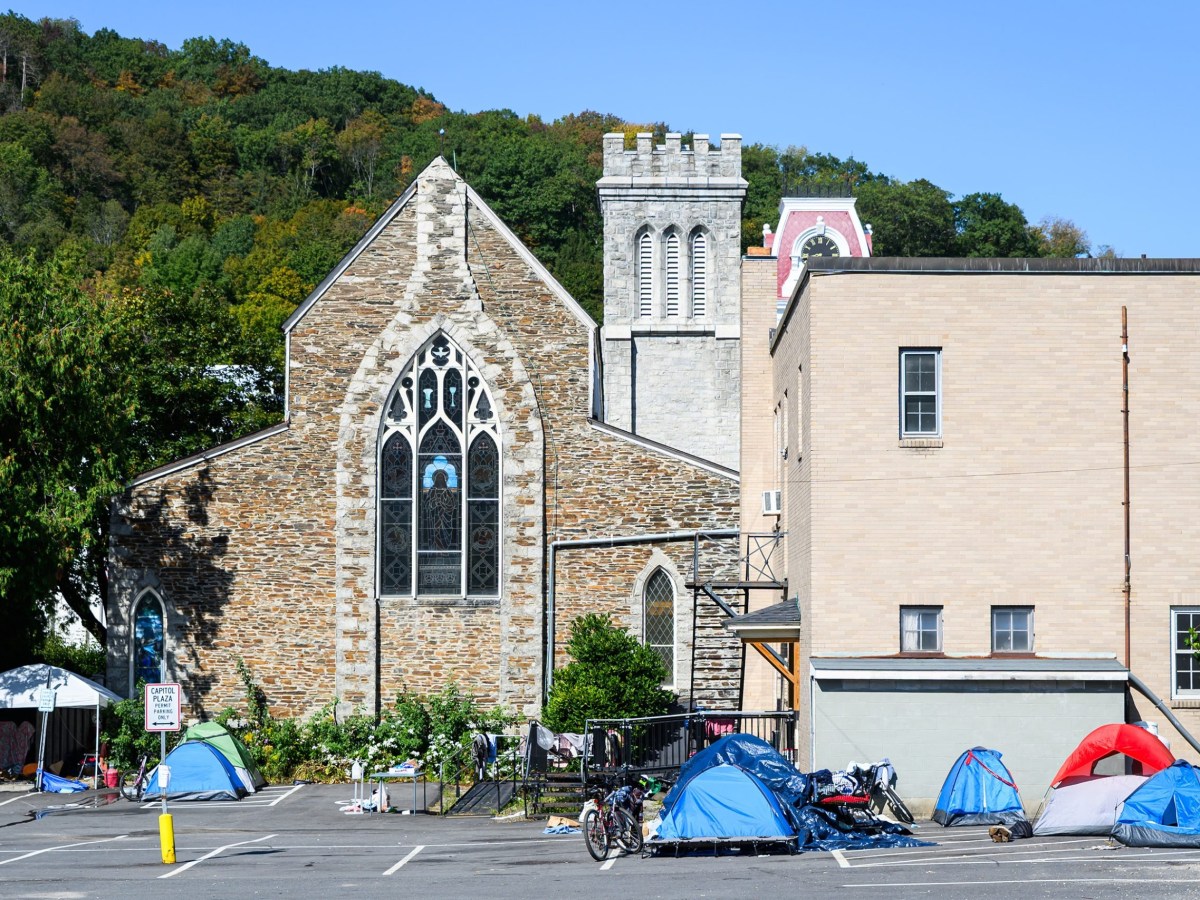
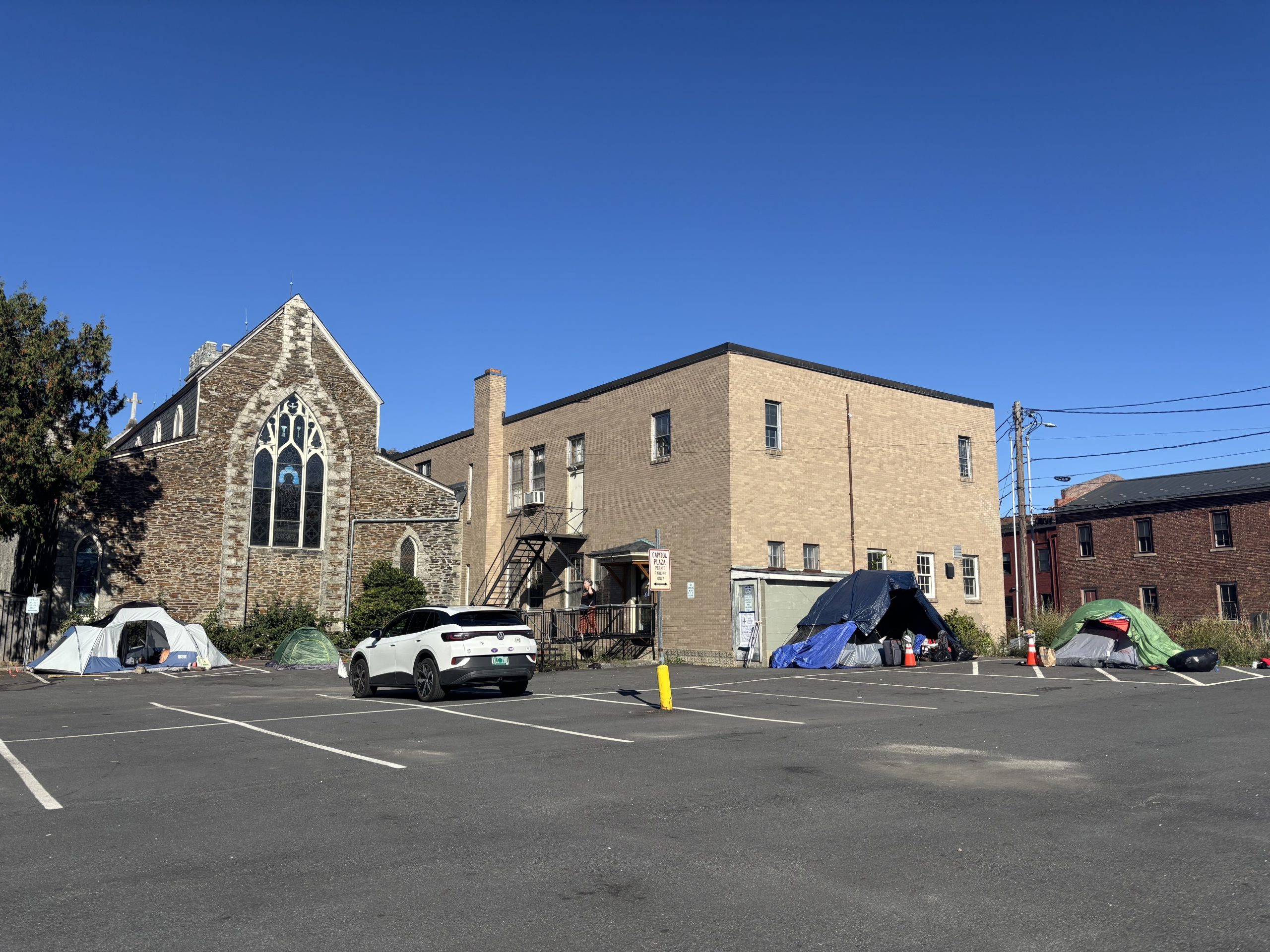
In Montpelier, a local church began hosting a small encampment on its property this summer after city officials cleared tents from a park a few hundred yards away. Now, Christ Episcopal Church leaders are biding their time before Good Sam’s long-awaited shelter opens its doors after the turn of the year — and wondering what will happen to campers who haven’t found another option before then.
“If we get to the end of October, into the middle of November … there will be a challenge for whoever’s left here about where they will find housing,” said Rev. Walter Brownridge, the church’s priest. “It won’t be possible for us, beyond the first real snow … I don’t think it’s safe for them to be out in that cold weather.”
