

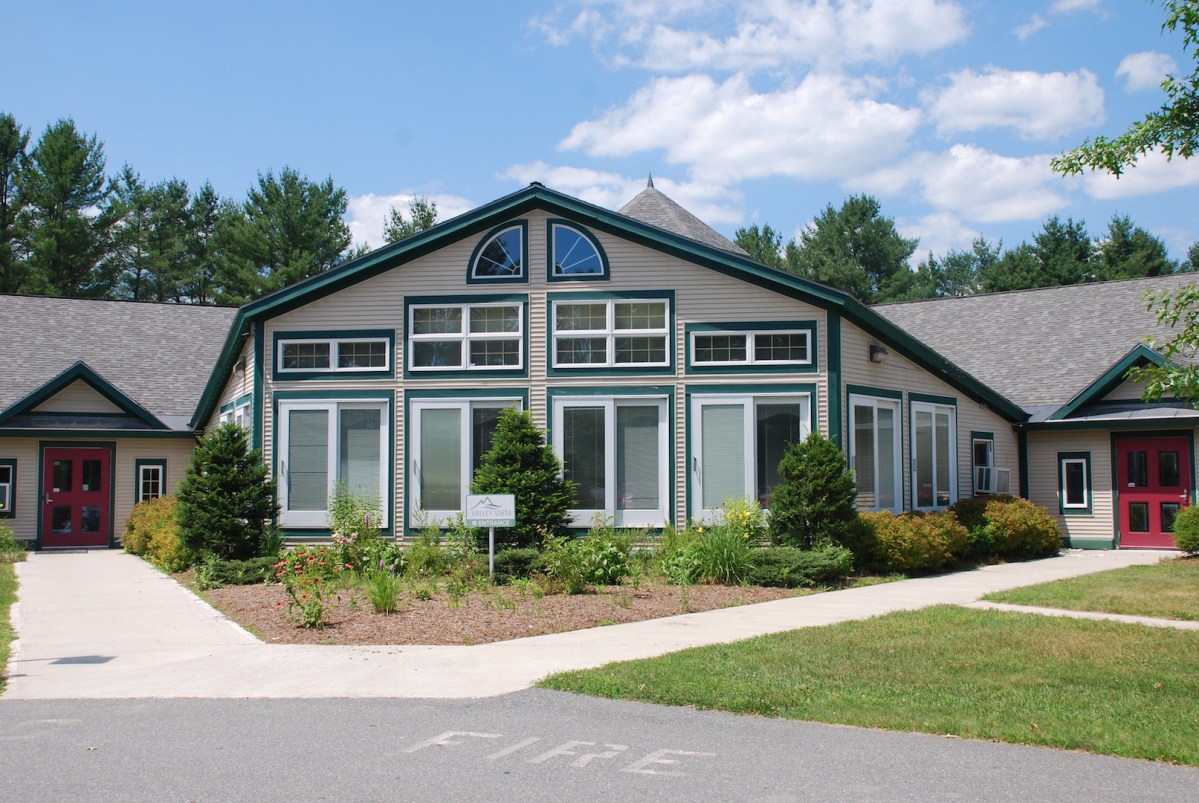
On Wednesday, Valley Vista reopened the doors of its previously shuttered Vergennes facility and nearly doubled the state’s capacity for low-level substance use residential treatment services.
The 27 new beds at the Vergennes location will offer less-intensive treatment for people who do not need around-the clock medical monitoring. These lower level services include recovery-focused counseling, peer support services, and aid to find housing and employment, Valley Vista’s Vice President of Medical and Clinical Services, Kevin Hamel, said.
Advocates have long identified a critical void of resources for people exiting inpatient treatment that need more support before returning to independent living to prevent relapse.

Already, Valley Vista has filled seven of the 27 beds at the co-ed Vergennes facility and added 13 new staff positions to operate the facility, Hamel said. There is no time limit on stays at the Vergennes facility so that people have time to build a foundation of support before moving to a sober living community or independent living, he added.
“It’s really about giving them additional treatment towards addiction, while helping them to kind of just navigate the next steps of their life, and helping them to reintegrate into the community,” Hamel said.
Facing financial hardship, Valley Vista closed its Vergennes women’s facility in the spring of this year and consolidated services to its Bradford location, cutting 20 staff positions. The organization had stopped accepting methadone patients several months earlier because of the high costs of treatment.
When the Vergennes location closed, Valley Vista’s co-owner said he recognized the potential of re-opening the facility for “step-down” services.
Valley Vista still maintained a lease on the Vergennes property, so the Vermont Department of Health saw an opportunity to fill vacant space and expand Vermont’s recovery support infrastructure, Kelly Dougherty, Vermont’s deputy health commissioner, said.
The Department of Health made offering both high and low-level recovery services a requirement for residential treatment organizations to receive grants this fall, Dougherty said.
“We really wanted under the same sort of organizational umbrella — if possible — for people to be able to seamlessly step down to this lower level of care if they were receiving services in the higher level of care,” Dougherty said.
Valley Vista had been offering some low-level care at the Bradford location since October, but opening the Vergennes facility means that the organization has dedicated beds and space for people needing a lower level of treatment, Hamel said.
Recovery House Inc. in Rutland County is the only other organization the state works with that provides residential treatment and has 28 beds for low-level recovery, said Dougherty.
To support the Vergennes facility’s reopening, Dougherty said the state directed $500,000 to Valley Vista through a federal Substance Abuse and Mental Health Services Administration block grant for site set up and room and board payment.
The state is also now covering lower-intensity substance use treatment under Medicaid at a higher reimbursement rate, said Dougherty, and allotted $500,000 toward Valley Vista’s Medicaid reimbursement for services and beds.
Dougherty said that the state plans to track utilization patterns of the Vergennes facility before any plans to roll out more low-level residential treatment beds. But, she said the Department of Health is working with partners to address the continued gap in residential housing for sober-living communities.
The state’s partnership and local support has been valuable in reopening Valley Vista’s Vergennes location and expanding services to support the continuation of care in the state, Hamel said.
“We’re working within our community and with our allies to make sure that we’re able to really just provide this amazing opportunity for these individuals that are looking to just make a change in their life,” Hamel said.
