

This commentary is by Wendy Nunez and John Kingston, chair and co-chair of the Vermont Youth Conservation Corps board of directors.

As many of you know, on April 25, AmeriCorps programs across the country were informed that over 1,000 grants — totaling $400 million — had been terminated. This news hits home for many Vermonters.
For those unfamiliar with this program, it’s helpful to think of AmeriCorps as a domestic Peace Corps, where volunteers commit to service terms that range from a couple of months to a full year. AmeriCorps provides federal funding to local nonprofits, which, in turn, provide members with a “living allowance.” At the end of one’s service term, members also receive a Segal Education Award which can be used for tuition and paying off school debt.
AmeriCorps not only empowers people wanting to serve, but also offers us a model that combines service, workforce development and project accomplishment. AmeriCorps is a win-win-win.
Nationally, more than 200,000 people serve through AmeriCorps positions. Here in Vermont, SerVermont is our state service commission and helps oversee grants that support approximately 2,500 service members. Participants focus on pressing issues that range from conservation work, to food security, to flood relief, to work in local schools.
For young professionals, their service is a chance to make a lasting difference just as it is a powerful learning and professional development opportunity. In fact, Jobs for the Future recently reported that 92% of AmeriCorps programs had strong career and workforce development training embedded in their curriculum.
Imagine being a young person fresh out of high school with an array of opportunities ahead of you. As you look at the world, you’re determined to roll up your sleeves and contribute. Your commitment to making the world a better place is the spirit that is at the center of service. This brings us to the painful decision to cut funding.
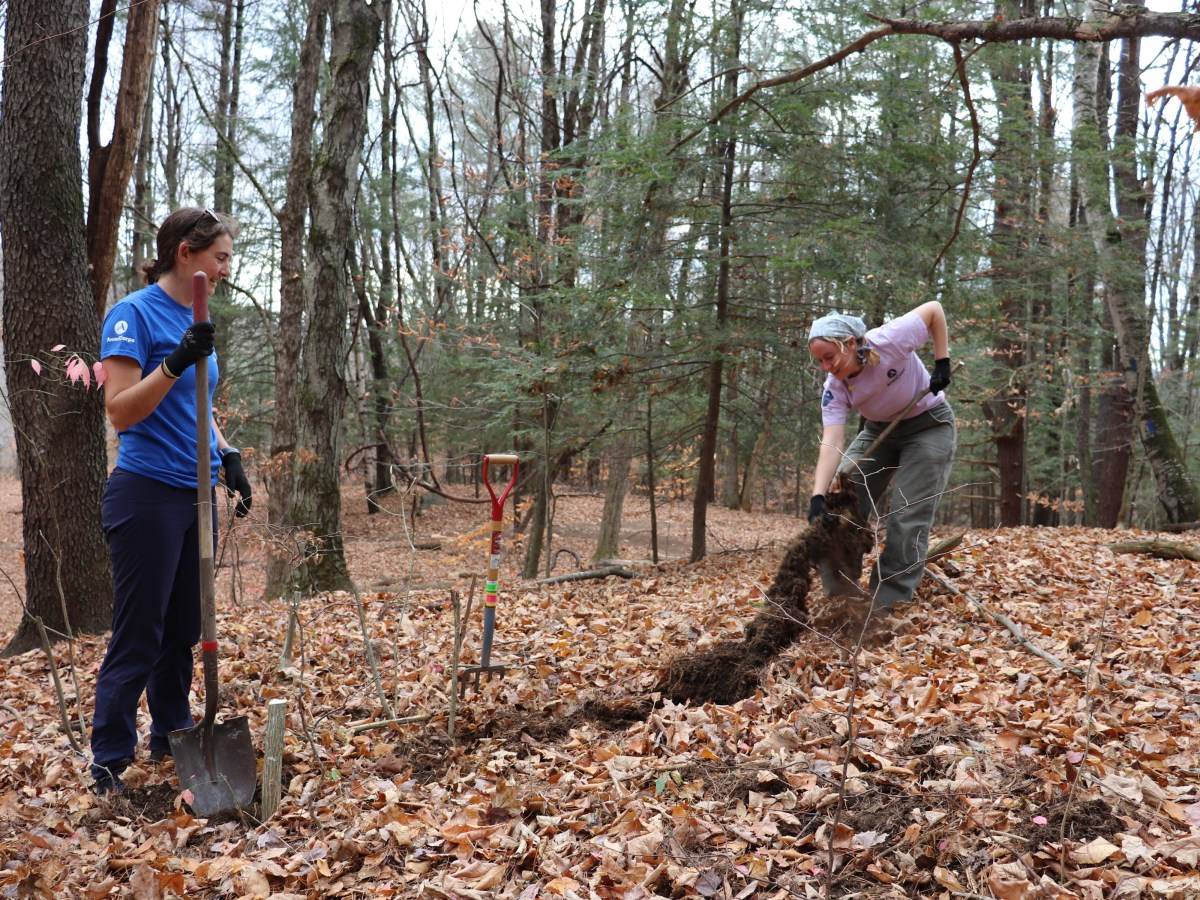
More than $2.3 million dollars of grants allocated to programs here in Vermont were terminated suddenly in April. We have to move forward with the expectation that these funds will not return in future years.
As readers saw in a recent Seven Days article, these funds impact the programs of essential Vermont nonprofits and state government, including ReSOURCE, the Department of Environmental Conservation, the Vermont Housing and Conservation Board, Vermont State University, and the organization whose board we chair, the Vermont Youth Conservation Corps.
All is not lost however. We are heartened by the can-do spirit seen in the response to these cuts. Vermont Youth Conservation Corps is finding ways to continue to offer service experiences to every incoming participant. They won’t be AmeriCorps members, but they will still have a position at Vermont Youth Conservation Corps and an opportunity to serve their community. We also see other organizations being nimble in their response.
History is instructive. People are probably aware of the Civilian Conservation Corps, launched during the Great Depression by President Franklin D. Roosevelt, which enrolled 3 million men in public service. Different versions of federal service programs existed until the early ‘80s. President Ronald Reagan then eliminated these programs during an era of limited federal government.
In response, many states then created city-based, state and regional corps. Today, more than 150 corps exist in America. We likely find ourselves in a similar moment of reinvention and revitalization.
Service is alive and well in Vermont — and across the country. The elimination of AmeriCorps funding should be a call to action for us all. Now is the time to invest in young people, and increasing the value and accessibility to service experiences can be a strategy that makes Vermont stronger.

