


The Access Hub, newly opened in downtown Montpelier, is nothing like the emergency department at Central Vermont Medical Center, about 4 miles away.
That, in fact, is the point.
Open since early October just a few blocks from Main Street, the place is small, just a few connected rooms in a squat brick building on Barre Street owned by Washington County Mental Health Services. But the concept —- providing a quiet place outside the hospital for people seeking care during a mental health or substance use crisis — is big, and is taking root across Vermont, seeded by federal funding.
The Access Hub, which is for adults age 18 and older, had several people visit within its first few days, said Karen Kurrle, director of intensive care services at Washington County Mental Health Services. Staff members are trying to spread the word about it.
“We’re excited about this addition to our continuum of care, and hope it’s helpful and safe for folks,” she said.
People have long sought aid for serious mental health challenges at hospital emergency departments because of the lack of other options, particularly overnight and on weekends. But the surge in patients after the Covid-19 pandemic subsided was unprecedented, said Alison Krompf, deputy commissioner of the Vermont Department of Mental Health.
Lives lost their regular rhythms. People weren’t seeing their regular care providers. “Then when that delayed care started to wear folks down, they came out in droves with high numbers and higher needs,” Krompf said.
The crisis led to an outcry both from patients, who often waited for days in emergency rooms for appropriate care, and from hospital staff members, who were frustrated by how little they were equipped to do and alarmed by increasing physical and verbal assaults against them.
Increasing capacity for inpatient psychiatric care was one answer, said Krompf. But the department also heard a widespread desire for community-based urgent care, at the same time that additional federal funding from the 2021 American Rescue Plan became available to support community-based programs.
Five mental health service agencies have already been awarded more than $3 million to develop or expand “alternatives to emergency room” programs. Two are aimed at adults, and three are for children and youth. Though they differ in design and staffing, they share the same goal of providing a more comfortable and comforting location for meeting urgent nonmedical needs.
In Bennington, United Counseling Service is using its funding to expand the hours and number of staff for its four-year-old program called “psychiatric urgent care for kids,” or PUCK.
The program occupies a suite of rooms in one of the agency’s buildings. Since July, a dedicated clinician, care coordinator and support person have been available between 8 a.m. and 5 p.m. for youth in crisis, often referred from area school districts.
They are there to respond when needed, just like staff in an emergency room. “When someone comes in for a broken leg, you can’t schedule that, right?” said Executive Director Lorna Mattern. In down time, staff members follow up with children, parents and school counselors or schedule additional services.
In the first six months of 2023, before the expansion, the program saw 67 children and teenagers who otherwise would likely have been ferried to Southwestern Vermont Medical Center, Mattern said.
More funding for staff also lets United Counseling offer space for a child to transition back into a daily routine after a stay at the Brattleboro Retreat for treatment. Additional funds have also been used to purchase a passenger van that is currently being customized to serve as a mobile PUCK clinic that can be driven to more rural parts of Bennington County, she said.
Now two other agencies, Lamoille County Mental Health Services and Health Care & Rehabilitation Services in southeastern Vermont, are following its lead. Both have received grants to develop a similar program in their regions.
Before the PUCK program opened in 2019, “sometimes teachers and principals were taking kids to the emergency room because there was no other option,” Mattern said. Along with the difficulty of the hospital environment for children, that took school staff away from their regular work.
“I think that they see a great benefit for this for many reasons,” she said.
Rooms of their own
A place like The Access Hub is not only a better environment than a hospital emergency department for people in crisis, but it is a more direct way to connect them with rapid counseling, case management or psychiatric care, Kurrle said.
Right now, the space is open from 7 a.m. to 4 p.m., Monday through Friday, though the agency hopes to expand hours further into the evening.
Members of the public can check themselves in, but the agency will also take referrals from the emergency mental health hotline, 988, and from the emergency room, area police departments and concerned family and friends, Kurrle said. Walk-ins won’t be turned away during open hours, but wherever possible, the agency asks that people call ahead before showing up, she said.
In August, Counseling Services of Addison County created a similar space for adults called Interlude in an office inside the Marble Works building in Middlebury. It is now available by referral from the agency’s emergency response team, between 10 a.m. and 6 p.m.
Both The Access Hub and Interlude are built around a practice called “the Living Room model,” first developed within substance use disorder recovery programs, and are staffed by peers who have experience with similar challenges, as well as clinicians.
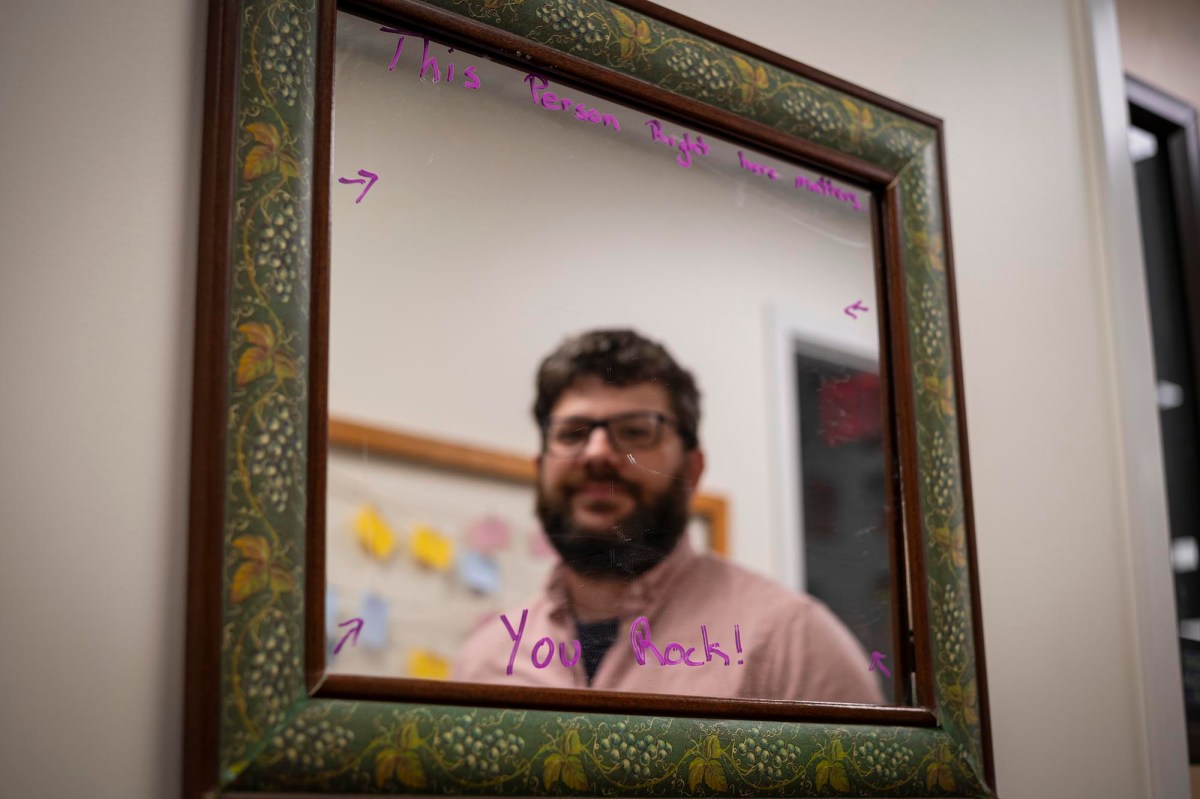
In Middlebury, instead of a packed waiting room, there is a wide sofa on a cozy carpet surrounded by bright posters and cheerful plants. Instead of a busy intake desk where doctors and nurses are triaging hemorrhages and heart attacks, the plan is for a visitor to be greeted by someone whose focus is solely on the person in front of them.
“We’re really trying to understand: Can we meet people’s needs in different settings,” said the Addison County organization’s executive director, Rachel Lee Cummings.
The low-key vibe at both The Access Hub and Interlude does not mean that they aren’t ready to work with people who have serious needs, both Kurrle and Cummings said.
“If they’re in a state of agitation, like somebody’s yelling, but they’re able to stay safe in their body, they can absolutely be with us,” Kurrle said, starting to list hypothetical emergencies.
“If somebody is crying in immense despondence and people are concerned about that; (if there is) someone who has cut themselves but does not need serious medical attention, but needs someone to talk to, they could come see us,” she said. In addition to peer support, the goal is to provide quick access to a counselor or psychiatric provider, either in person or through telehealth.
Only someone who may need medical treatment or must be restrained to avoid hurting themselves or others would be redirected back to the hospital in Berlin. But people can also return once they have been medically cleared, for instance, after a panic attack, Kurrle said.
Also in the Barre Street building is the agency’s Sunrise Wellness Center, a more bustling drop-in center for social connection and support services that opened in May 2021, as well as the agency’s overnight crisis bed program. (There is also a bed at The Access Hub, but it’s meant only for resting and naps.) Someone might enter through one program, but be referred to another, depending on their needs, Kurrle said.
“Someone who is in urgent distress might need a quieter, not as stimulating setting” than the wellness center, she said. The variety of options is “just meant to recognize also that we all need different things when we’re in distress.”
Addison County’s Interlude is separate from the agency’s other services. A visitor might receive counseling there, or be referred from there to another location once it becomes clear what is possible and needed, Cummings said.
“We don’t want people in crisis having to navigate our complex bureaucratic internal kind of workings,” Cummings said. “We want it to be as seamless for folks as possible.”
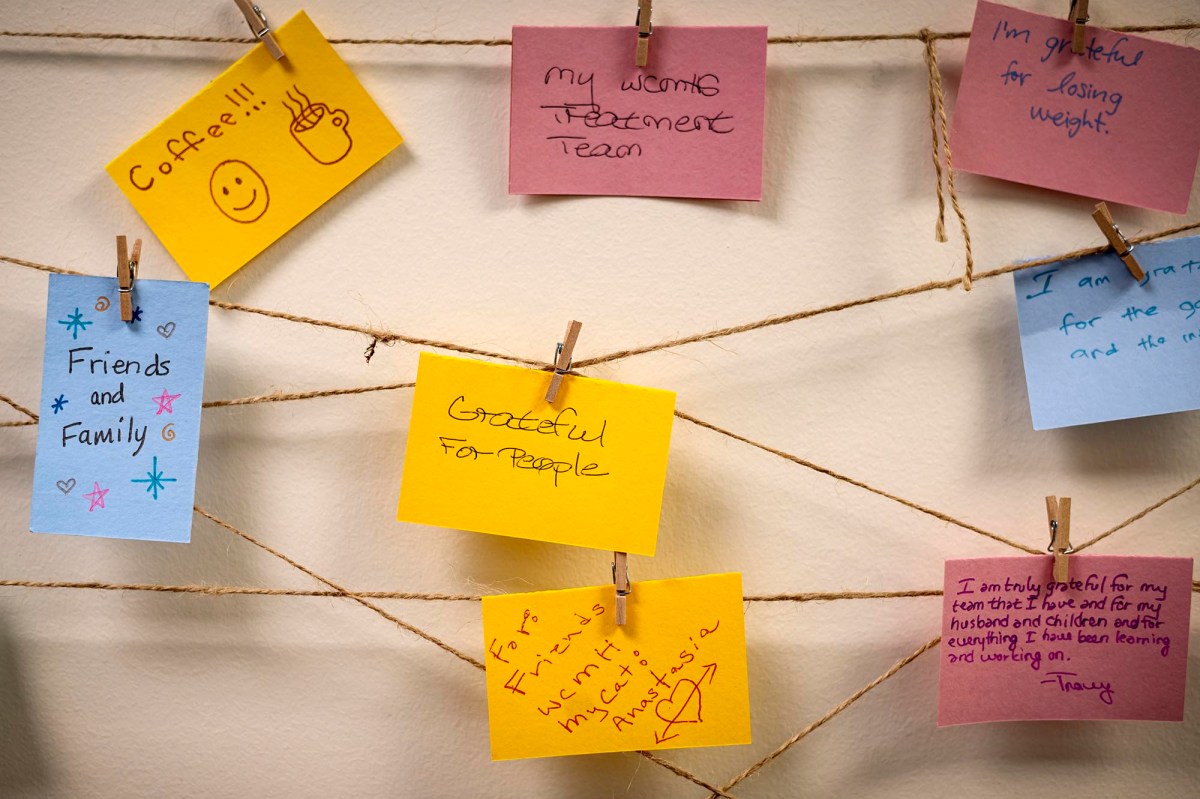
Though only one patient or client can be received there at a time, it has been used by “a broad swath of folks” over the past two months, including existing clients who need a quiet place as well as people new to the agency who reached out to 988 in need of a safe space to decompress, Cummings said.
Two other agencies are accessing the same pot of funding to launch urgent care programs for adults that are still in development.
Northeast Kingdom Human Services will use it to buy a new building for drop-in urgent mental health care that has an overnight stay component.
In the Burlington area, the Howard Center plans to collaborate with the University of Vermont Medical Center and Community Health Centers to open a 24/7 urgent care clinic that would provide behavioral health treatment alongside basic medical care. Additional funding would come from around $3 million of the $18 million of UVM Medical Center’s excess earnings from 2018.
The department and the agencies know that these new programs won’t keep everyone experiencing a mental health crisis out of the emergency room, Krompf said. There will still be people for whom their medical needs or the severity of their symptoms may make the hospital the best place.
But by providing urgent care options in the community, there is a better chance that more people will be seen and treated before their illness reaches that stage.
“The hope is that these spaces are going to be designed for people having struggles leading up to that point,” Krompf said. “If you can catch them before then, you give them that welcoming space, we’re hoping to head off that need.”
