



As spring arrives in Vermont, welcoming a long-awaited season of new life just as egg prices have begun to soar, Vermonters may have more reasons than one this year to take a crack at raising backyard chicks.
“Raising baby poultry like chicks, ducklings and goslings in your backyard can offer many benefits, such as fresh eggs, opportunities to connect with nature, and education for children and families,” Dr. Natalie Kwit, Vermont’s public health veterinarian, said in a press release from the Vermont Department of Health. “But it’s very important to take steps to help minimize the spread of diseases.”
According to health officials, chickens can pose risks to human health, sometimes spreading harmful bacteria such as salmonella, campylobacter and E. coli through their meat or eggs, or propagating viruses like avian influenza, also known as bird flu.
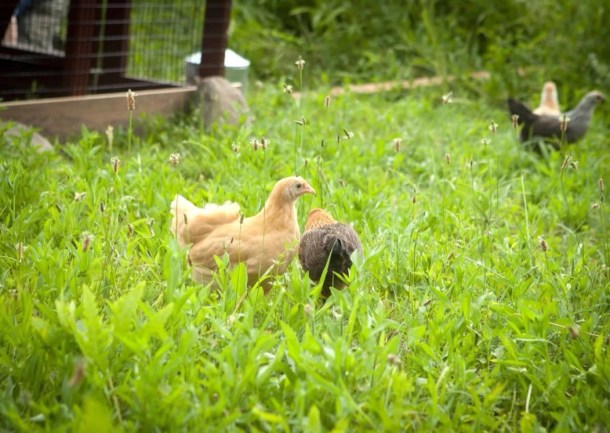
As families begin to welcome new flocks this year, officials say it’s important to know how to do so safely.
Infected birds can transmit bird flu viruses through their saliva, mucus and feces, according to the federal Centers for Disease Control and Prevention. Human infection with such viruses, while rare, can occur if these substances are introduced to the human body through a person’s eyes, nose or mouth, or through inhalation.
“Illness in humans from bird flu virus infections have ranged in severity from no symptoms or mild illness to severe disease that resulted in death,” the federal agency reported.

The bacteria and viruses from poultry are most likely to cause severe illness in people with weakened immune systems, older adults and children younger than 5 years old, Kwit said.
To prevent the spread of disease from backyard chickens, the Vermont Department of Health and Centers for Disease Control offer a number of recommendations — supervise children around poultry, avoid touching the face or mouth after handling poultry or eggs, and make sure anyone who handles poultry or eggs washes their hands thoroughly afterward.
“It’s really helpful to have adults supervise children, especially young children, for handwashing,” Kwit said, since kids are typically “not as good at hand hygiene as adults are, and will put their hands in their mouths more often.”
The Department of Health also recommends cleaning chicken coops and equipment thoroughly and regularly, and keeping all equipment used to care for poultry — including shoes that people wear near the coop — outside of the house and far away from areas where human food is prepared. Equipment such as cages and food or water containers should always be cleaned outside with a hose, rather than in a kitchen sink or bathtub indoors.

“One of the main purposes that people keep backyard flocks is so they can have fresh eggs,” Kwit said, “and there are certain ways to minimize the risk of exposure to harmful bacteria through handling those eggs and cooking with them.”
Cleaning chicken coops often and collecting eggs regularly help to ensure that bacteria does not build up on shells over time, Kwit said. When preparing eggs to eat, don’t wash the eggs with water, as bacteria can sometimes enter eggs through their porous shells, but instead use a brush to gently sweep debris off eggs. Refrigerating eggs and cooking them fully are other ways to minimize risk of bacterial infection, she said.
“If you keep your animals healthy, you keep the people who own them healthy as well,” Kwit said.
Officials at the Vermont Agency of Agriculture, Food and Markets say that one of the best ways to keep poultry healthy is to prevent contact between chickens and wild waterfowl, such as ducks, which often carry avian influenza.
“Anyone involved with poultry production — from small backyard coops to large commercial producers — should review their biosecurity plans and activities to ensure the health of their birds,” officials at the agriculture agency said.
Raising chickens “really is a fantastic thing — and more popular these days, especially in smaller states like ours — that can really connect people with the environment,” Kwit said, “We just want people to do it safely.”
