

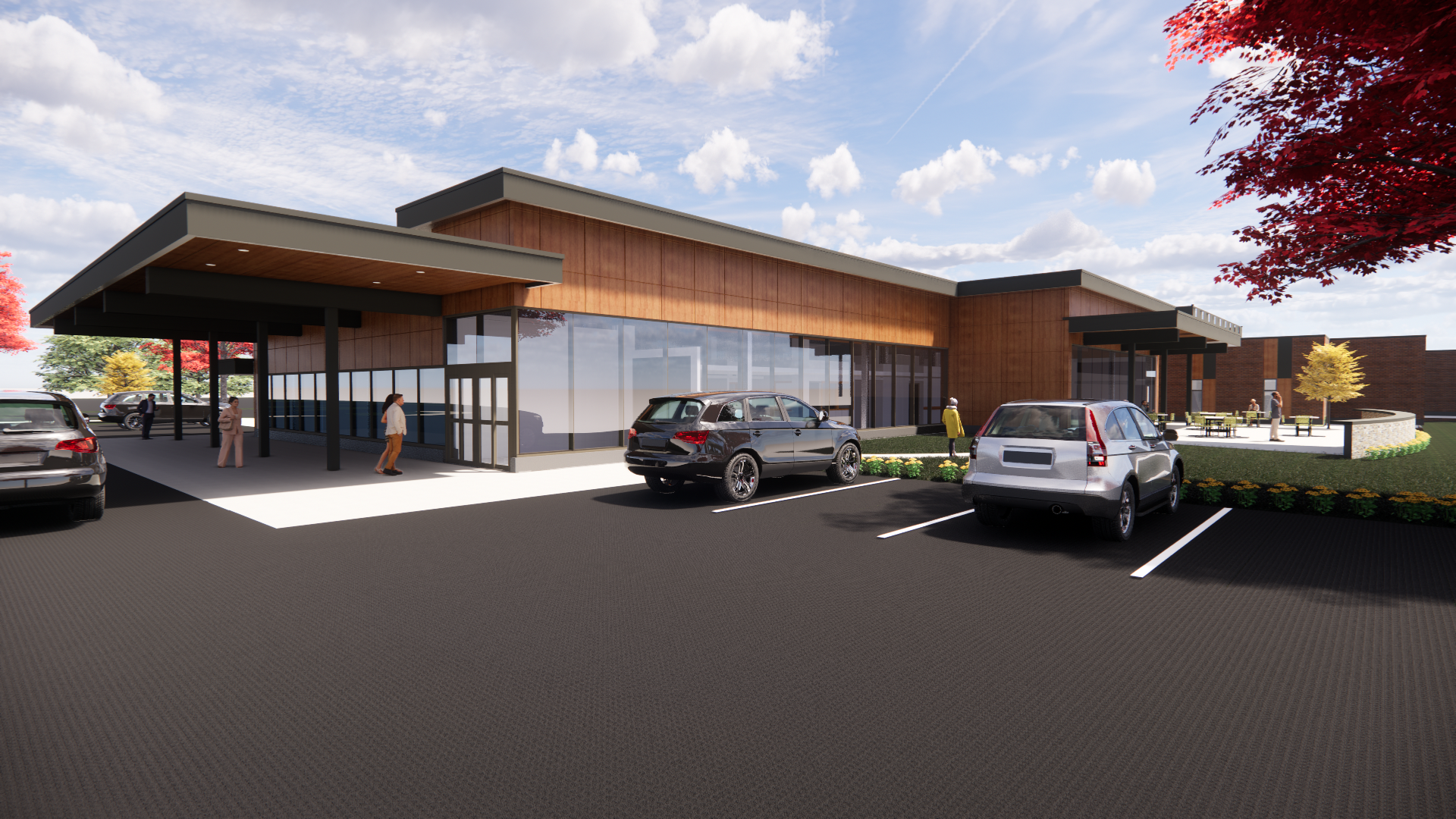
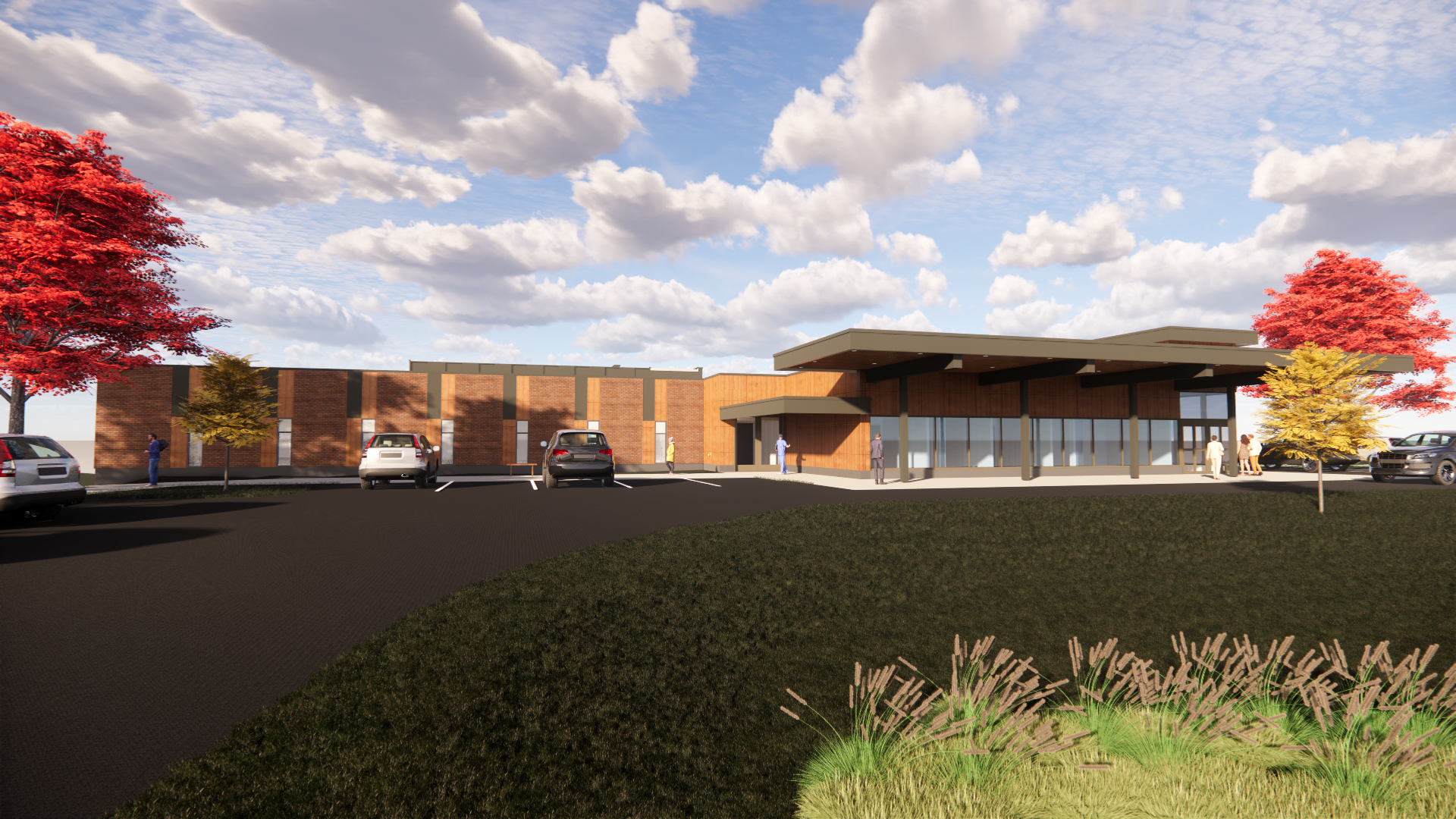
University of Vermont Medical Center is seeking permission from state regulators to construct a large new outpatient surgery center, which the hospital’s leaders say is necessary to replace aging operating rooms and to meet current demand that is expected to grow.
The medical center submitted a “certificate of need” application to the Green Mountain Care Board on Friday for an 84,000-square-foot facility on Tilley Drive in South Burlington, next to several other specialty clinics. State statute requires the care board to approve the proposal, a process intended to reduce health care costs by preventing “unnecessary duplication” of services.
“The need for the (surgical) center is actually there right now,” Stephen Leffler, the medical center’s president and CEO, said during a press briefing Friday. In terms of the hospital’s outpatient surgery volume, both its main campus in Burlington and its Fanny Allen campus in Colchester are often full.
“We’re at capacity most days,” he said.
The cost of land purchase, permitting construction and outfitting of the new center is estimated at almost $130 million, with $100 million financed through bonding. The project, which would add eight multi-purpose operating rooms, 12 pre-operation rooms and 36 recovery spaces, is the detailed version of a conceptual plan approved by the Green Mountain Care Board in September 2021.
However, all new construction across the UVM Health Network was halted in early 2022 when officials forecasted large operating deficits. The network ended the last fiscal year $90 million in the red.
While the network remains focused on its financial challenges, “we really can’t afford to wait,” said UVM Health Network CEO Sunil “Sunny” Eappen.
Access to care is already challenging, Eappen said. But projections suggest that demand for surgical procedures will exceed the region’s ability to meet them by almost 5,000 cases by 2030, due both to general population growth and the increasing percentage of people who are older than 65 years old.
“We need to invest now in order to meet our future demand,” Eappen said.
The new UVM Medical Center facility, which is projected to take two years to complete after regulatory approval, would replace all five outpatient surgical rooms at the Fanny Allen campus. Some outpatient surgeries now performed on the main campus would also move, opening space for more complex surgeries, Leffler said.
The Green Mountain Care Board previously approved two independent outpatient surgical centers, both in Colchester, but has limited their offerings. The Green Mountain Surgery Center was approved in 2017 and opened in 2019. The board approved a certificate of need in March 2022 for the Collaborative Surgery Center, which would be a connected facility. Another independent surgical center, Vermont Eye Surgery Center in South Burlington, has been open since 2008.
The certificate of need application suggests that planners believe the majority of the procedures at the facility would be in the areas of orthopedics; ear, nose and throat health; and ophthalmology, at least initially.
The facility would include enough interior space to easily add an additional four operating rooms and supporting space in the future. That kind of growth is not possible now at Fanny Allen, where surgical rooms were built in the 1960s and are too narrow to allow for certain kinds of procedures and collaborations, Leffler said.
The new facility would require 166 employees to operate, with the majority coming from within the medical center as the operating rooms move. However, fully staffing the new center would require filling an additional 78 positions, which the hospital plans to begin recruiting for 18 months prior to opening.
Hospital leaders said that they do not anticipate either staffing or financial concerns would stall the project.
The outpatient surgery center would allow the hospital to provide the same service it currently does at a lower cost. As a result, it is expected to begin to pay for itself within six months, Leffler said.
Network officials expect the brand-new, state-of-the-art facility would serve as a draw to clinicians and others. Plus, said Eappen, jobs at outpatient surgery centers are typically easier to fill.
“People want to work in ambulatory surgery centers,” he said. “It’s, in general, considered to be a very positive place to work.”
