

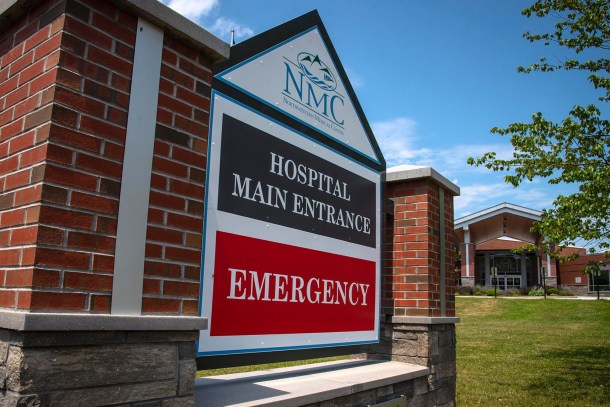
Turning Point of Franklin County is working with Northwestern Medical Center in St. Albans to provide on-call recovery coaches for the hospital’s emergency department.
The program, set to start next month, will connect patients who may need treatment for substance use disorder with Turning Point coaches in long-term recovery.
Coaches will have “a compassionate conversation” with these patients, said Holly Hager, a Turning Point coach.
They’ll also share resources such as options for rehabilitation and housing, and will check in with patients in the days following their emergency room visit.
Hager recalled being in the emergency room herself while she was using. It could be beneficial for another person in that same position to see someone who had made it through to “the other side of addiction,” she said.
“That’s really powerful,” she said. “We can connect with people and let them know that there’s hope, that they matter and that recovery is possible.”
The program is funded by a $125,000 federal grant. At least five coaches will be available from the outset to cover shifts every day of the week, Hager said.
Denise Smith, Blueprint program manager at Northwestern Medical Center, said nurses in the emergency department are often busy and they may not have time to talk about patients’ social-emotional needs.
“The (emergency department) can get overwhelming,” she said. “They’re monitoring vital signs. They’re communicating with the doctors. They’re inputting information.”
People who come into the emergency department with substance abuse disorder often are at a low point in their addiction, Smith said, which can provide a good opportunity for reflection.
“It can be very critical at those moments in time to help support people in changing their trajectory and the behaviors that they’re engaged in,” she said.
In Franklin County, Hager said the most common substance that Turning Point sees people using is alcohol. That’s only increased during the pandemic, she said.
Many hospitals in Vermont already have peer support programs in place through their local Turning Point organizations, Hager said. The University of Vermont Medical Center, she noted, has had a similar program in place for several years.
Statewide, she said, recovery coaches made contact with 8,000 people last year.
