

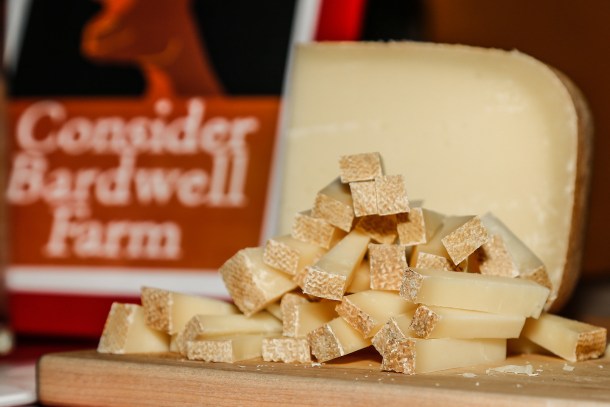
Consider Bardwell Farm in West Pawlet is preparing to start making cheese again in August, a little under a year after a positive listeria reading prompted the company to destroy $200,000 worth of its high-end goats’ and cows’ milk cheese.
The cheesemaker, which used to sell cheese to restaurants and stores around the country including Whole Foods, had planned to start making cheese in February, but was delayed by the death of co-owner Angela Miller’s sister and then by the Covid-19 crisis.
“I’m glad we didn’t open up again (then) because of the crash in the specialty cheese world sales,” said Miller.
Consider Bardwell published an official notice last September that it had found listeria monocytogenes, a germ that can cause serious illness in pregnant women, newborns, older adults, and people with weakened immune systems, according to the Centers for Disease Control. The CDC said that about one in five people with the listeria infection die. When it occurs during pregnancy, it can lead to miscarriage, stillbirth, or newborn death.
The contamination was found through the farm’s routine testing and none of the contaminated cheese reached any market, according to the Vermont Department of Agriculture. But destroying the inventory of all the farm’s softer cheeses threatened to put Consider Bardwell out of business, and Miller and her partner spent several months deciding on their next move. The recall involved two raw-milk cheeses, the Slyboro goat cheese and Dorset cow cheese; and one cheese, Experience, made from pasteurized milk.
Publicity about the possible closure last fall helped the farm make $22,000 on a GoFundMe campaign – about half of what it had hoped for, but still enough to help pay down some outstanding debts, said Miller. Another $25,000 has arrived in the form of unsolicited donations from around the country.
“These are people I don’t even know; many of them were anonymous,” said Miller, adding that she also knew some of the donors as customers who had purchased cheese in New York or at farmers markets. “It shocked me. It’s still coming in dribs and drabs.”
Consider Bardwell did a good job of managing a bad situation, said Marty Mundy, the executive director of the Vermont Cheese Council, on June 15. “They used resources from the state to help assess things, to safely navigate through the process, and to most safely help the consumers. It’s a good example of folks who navigate a potential food issue – this is true anywhere in the food industry – and do it as safely and responsibly as they can.”
The farm did retain a reserve of its popular Rupert cheese.
“We have a cave full of the most delicious cheese and we’re selling it on the weekends at farmers’ markets,” said Miller of the Rupert cheese. She attributes some of the donations to her increased activity on the farm’s social media account.
“I had to start educating myself on Instagramming and Facebooking every day,” she said.
While the farm’s creamery has been cleaned out and re-inspected for cheesemaking, the farm still has some important steps to take before it can start making cheese again. All the farm and maintenance staff stopped working in April, and now Miller and her husband are the only ones working. They also sold off the 100-goat herd in March and plan to slowly rebuild it, though the cheese planned for August will come from the milk of cows raised on a nearby farm. The farm will start off making its Pawlet and Experience cheeses in August.
Miller’s hoping that some of Vermont’s share of the CARES Act money will end up being directed to small cheesemakers like Consider Bardwell.
“We’re ready to do something, and we’ve made a five-year business plan that is on a modest scale for now,” she said.
Miller, who initially had a tough time emotionally with the cheese recall, said her reception at the Dorset farmer’s market had cheered her up considerably.
“People are so happy,” she said. “That in itself is very good emotionally for me.”

