

VTDigger is posting regular updates on the coronavirus in Vermont on this page. You can also subscribe here for regular email updates on the coronavirus. If you have any questions, thoughts or updates on how Vermont is responding to COVID-19, contact us at coronavirus@vtdigger.org
A shortage of blood for transfusions is “entering the realm of severe” in Vermont after at least 19 blood drives were canceled, leading to a loss of more than 800 donations expected in the past week.
Mary Brant, the communications manager for the Red Cross in Northern New England, said the dropoff was caused in part by volunteer hosting locations such as schools and workplaces temporarily closing down during the coronavirus crisis.
The Red Cross has announced the United States faces a nationwide blood shortage.
“The little white sandwich boards you see all over town announcing blood drives, those blood drives are all hosted by volunteer blood drive sponsors,” Brant said. “We really depend on them to keep the blood supply strong and we are expecting cancelations to continue and to increase.”
Sarah Harm, the medical director of the blood bank at the University of Vermont Medical Center, said that while the hospital is not yet experiencing a shortage, she is anticipating big shortages soon and is taking proactive measures to conserve blood when possible.
“This is an anticipated problem. It will be a more acute problem with platelet donations just because they have the shortest shelf life,” she said. “We’re OK now, but we already are carefully monitoring our inventory and taking lots of conservation measures in the hospital.”
Conservation measures include asking doctors to order less blood than they otherwise would for a patient and requesting more if and when necessary. Officials are also trying to maintain stores of the universal donor, O-, above other types of blood.
“If it gets really bad then we would have to not perform certain surgeries that require more blood than others. It just depends how bad it gets so we’re trying to avoid that,” she said.
Jo Mckinstry, a nurse at UVM, donated blood at the Red Cross on Wednesday because of the shortage. She said she plans to continue giving when she can during the pandemic.
“There’s a critical shortage of my type of blood so they asked if I would come,” she said. “There’s a critical need, and if you can help please help.”
Brant said the cancellation rate in Vermont has been less severe than in other areas of the country. Nationally, coronavirus has led to the cancellations of more than 5,000 blood drives as of Thursday, which led the Red Cross to come up 170,000 donations short of their usual goal.
“We often tell people that the Red Cross has to collect 13,000 blood donations every single day to meet the demands of the hospitals that we work with this,” Brant said. “I’ve been with the Red Cross for seven years and I’ve never seen anything like this.”
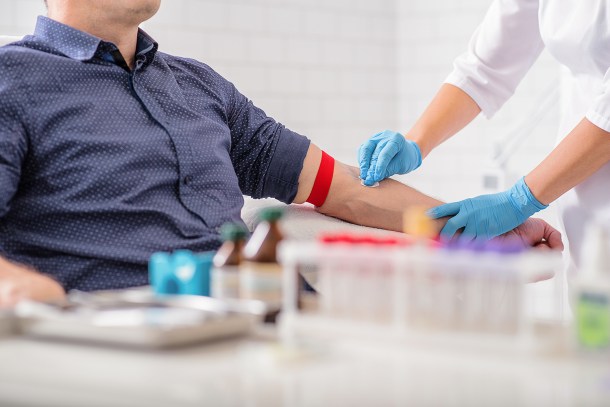
Brant emphasized that giving blood or receiving a blood transfusion does not spread the virus. She said the Red Cross has always had sanitation processes in place, including having staff wear gloves that they change between each patient and frequently wiping down areas that blood donors might touch.
Respiratory viruses like coronavirus are not believed to be transmitted through blood transfusions.
“There is no evidence and no reported cases of the coronavirus or any respiratory virus ever having been transmitted by a blood transfusion,” Brant said.
In the wake of the coronavirus pandemic, she said that the Red Cross has begun to check the temperatures of staff and donors before they enter the building, added hand sanitizer onsite, and are working to space out beds where possible to allow donors to stay 6 feet apart.
“Think of a blood drive as a hospital or a grocery store or a pharmacy. A blood drive is vital to the health of a community,” she said. “We understand that our donors have concerns about all aspects of public health but we want to emphasize that donating blood is a safe process they should not hesitate to give.”
She said that the Red Cross is actively seeking both donors to make appointments at Red Cross sites and organizations that would be willing to host additional drives.
“There is no Plan B, there is no other place we can go for blood. It all depends on people rolling up a sleeve to help,” she said. “Vermonters when you let them know there is a need they are wonderful about showing up and we really need them to show up right now. There is only one source of blood and that is a healthy volunteer blood donor.”

