


[A]s lawmakers round the halfway mark of the legislative session and the deadline for money bills looms on Friday, Democrats in the Statehouse have yet to find a funding source for what they have signaled is a majority priority this session: long-term water cleanup efforts.
While Democrats have criticized the Scott administration’s proposal to fund clean water by redirecting estate and property tax revenue, they haven’t thrown their weight behind a proposal of their own.
Meanwhile, the state is under EPA mandates to address phosphorus pollution.
The Senate is poised to advance a clean water bill, S.96, this week that would establish regional districts to select and fund projects, but the plan does not include a funding source. A per parcel fee in the original legislation from Sen. Chris Bray, D-Addison, chair of the Senate Natural Resources Committee, was stripped from the bill last month before it moved to the Senate Finance Committee, which has yet to settle on a funding proposal.
The House is expected to take the lead on finding a funding source. While House members have already proposed a handful of clean water bills, Democratic leadership has yet to back a particular plan.
House Speaker Mitzi Johnson, D-South Hero, said she hasn’t singled out a preferred funding source, and the Ways and Means Committee, is still examining possibilities. The tax writing panel is expected to take up the issue in the coming weeks.
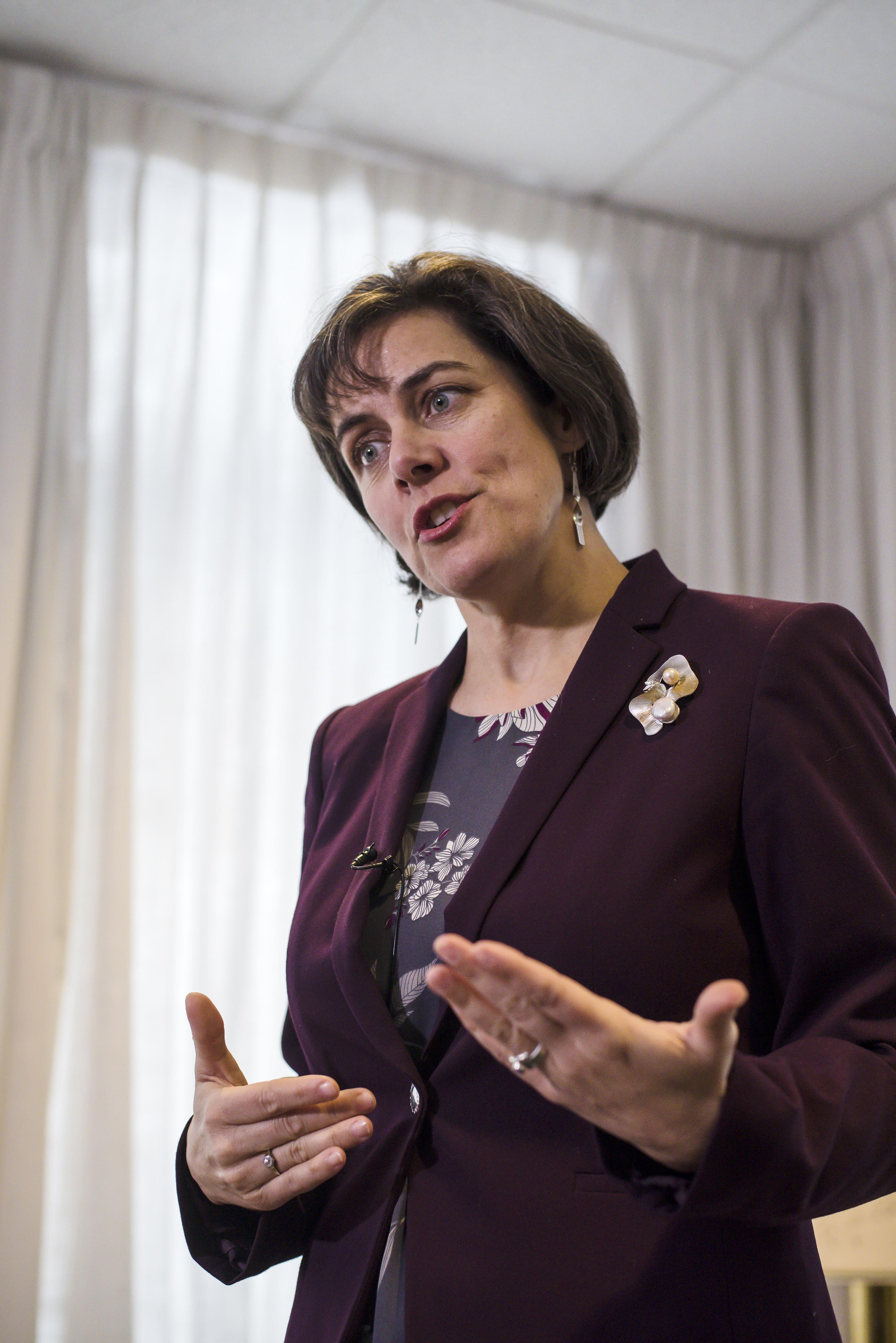
Johnson has said that it may take the entire legislative biennium — this year, and the 2020 session — to pass clean water legislation that establishes both a long-term funding source and regional distribution model.
“If this were an easy thing to do, we would have done it the second the treasurer’s report came out a few years ago,” Johnson said.
Vermont Treasurer Beth Pearce estimated that the state needs to raise an additional $25 million a year to meet federal clean water requirements.
Other Democrats, however, are confident they will pass a clean water funding bill this session.
“I think we’re going to see a funding proposal that will pass both the House and the Senate and it’s going to be a joint effort and I feel really confident that it will be done by the time we leave here,” said Sen. Brian Campion, D-Bennington, a member of both the Senate Natural Resources and Finance committees.
Jon Groveman, water and policy director for Vermont Natural Resources Council, said it was “disappointing” that senators have not settled on a funding mechanism.
“It seems like they are counting on the House to do it,” he said. “And that makes us very nervous because of the difficulty we’ve had in the past three years trying to get the Legislature to actually put in long-term funding.”
The state manages more than 1,000 clean water projects a year, according to Bray, and does not have the staff resources to oversee the work. In response, his committee has been working with the administration on a plan to establish regional entities to fund clean water projects.
Under the Senate proposal, ANR would issue block grants to the entities to fund projects in their regions, with the districts reporting back to the agency. The boundaries for the districts would be the 15 watershed basins that the agency already uses for clean water planning.
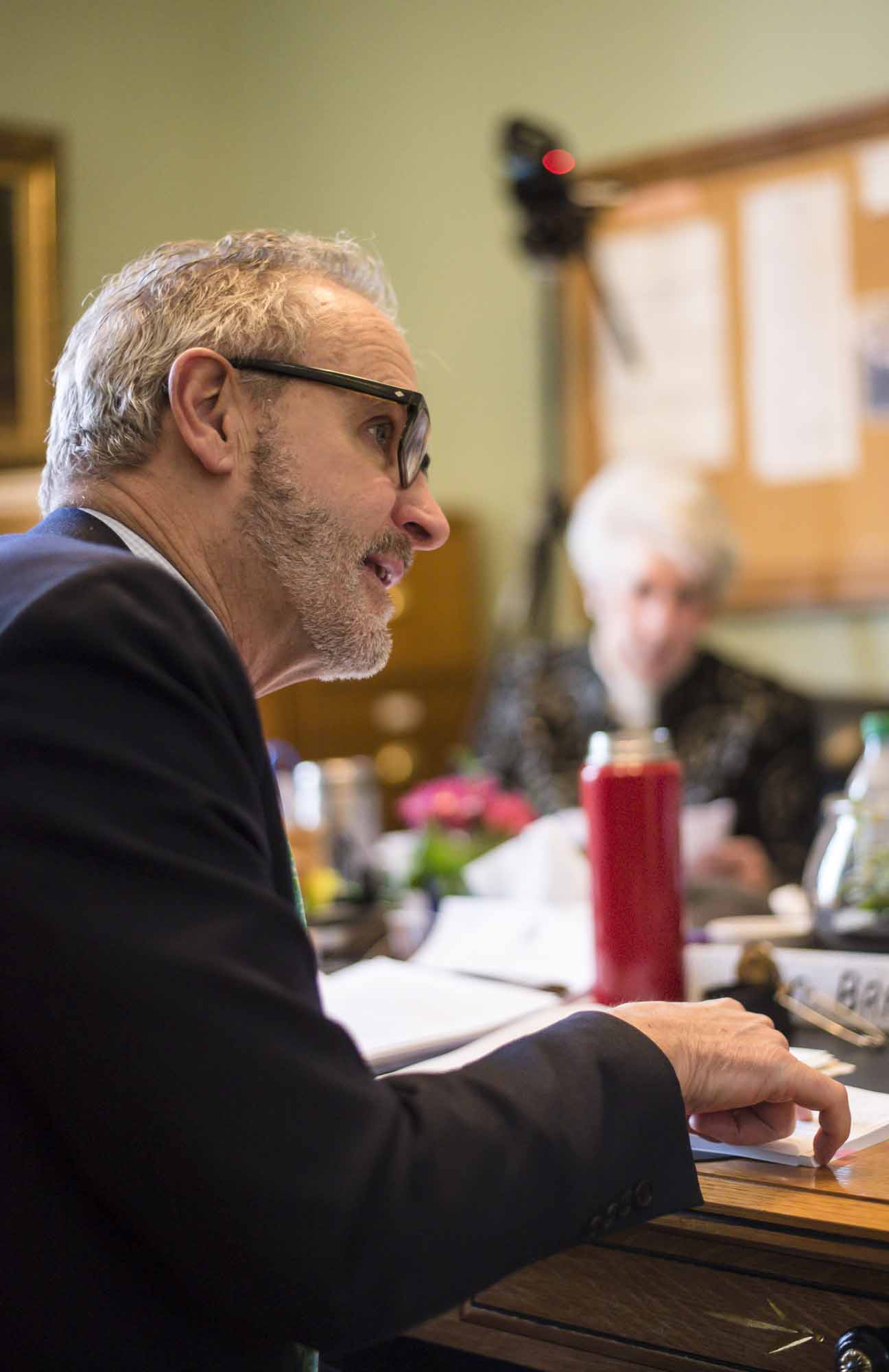
“Often, the best governance is the governance that’s close to home because the level of local knowledge is so much higher,” said Bray. “So I think we will get better projects by having those that are in the field helping define the work.”
However, some of those on-the-ground organizations have concerns about the switch to a regional model. Mary Russ, head of watershed group White River Partnership, feels ANR staff have more technical expertise than regional entities and so should remain in charge of planning and selecting projects.
“While it’s true that folks who work regionally, including watershed groups, have a lot of expertise and knowledge to be part of a discussion, we’re not the right people to be driving that prioritization,” she said.
Russ also expressed concerns that the regional model too narrowly limits funding to waters with TMDLs, or pollution reduction orders.
“There’s no phosphorus reduction in an assessment, but without the assessment, you don’t get good projects,” she said.
The state has water quality challenges other than phosphorus pollution that need to be dealt with, said Groveman of the VNRC, such as protecting higher quality waters from decline.
Bray said his committee had modified the bill to address that concern. For example, the bill now contains a provision that the regional entities can fund wetland protection projects, he said.
