


[S]tate officials are looking into an alternative model of prescription drug reimbursement, and some say it could save money and increase transparency in a notoriously complex system.
The state Department of Vermont Health Access and members of a study group have been weighing the pros and cons of the state signing a “competitive pricing contract” with a single drug wholesaler to supply prescriptions for the Medicaid program.
That could streamline the state’s Medicaid-reimbursement process and, according to one estimate, it could save millions of dollars.
There are potential downsides for some segments of the health care industry, and an initial attempt to engage wholesalers failed. But officials say they’re not discouraged.
“We still have an interest in pursuing this concept, so we’re going to make some additional efforts to pursue it,” said Nancy Hogue, the department’s director of pharmacy services.
The state’s interest in a wholesaler contract comes in connection with Act 193, a prescription drug bill passed by the Legislature earlier this year and signed by the governor in May.
Act 193 didn’t grab the public’s attention the way another proposal – importing prescription drugs from Canada – did during the 2018 legislative session. But the act was a wide-ranging attempt to address the rising costs of prescriptions by requiring more public information about drug costs and promoting lower-priced alternatives to expensive speciality drugs called biologicals.
Act 193 also mandated that the Agency of Human Services convene a working group to take a broad look at prescription costs “in order to identify opportunities for savings for Vermont consumers and other payers, and for increasing prescription drug price transparency at all levels of the supply chain.”
The working group’s new report focuses mainly on two aspects of that system – the flow of drugs to pharmacies, and the reimbursement of pharmacies by the state’s Medicaid program.
Wholesalers buy in bulk from drug manufacturers and then resell those drugs to pharmacies. By receiving regular shipments from wholesalers, pharmacies cut down on their inventory needs and eliminate the need to deal directly with numerous manufacturers.
For drugs distributed to Vermont Medicaid patients, pharmacies receive reimbursement by submitting a claim to the Department of Vermont Health Access.
Under the new model being considered by the state, the path of the drug from manufacturers to wholesalers to pharmacies wouldn’t change. But the path of the money would shift, as the state would be contracting directly with one wholesaler to supply prescriptions for the Medicaid program.
“We would be tracking the inventory that (pharmacies) are using for Medicaid members, but our payments for those drugs would go directly to the wholesaler, which means we would no longer need to pay the pharmacy for the drug – because they wouldn’t be paying for the drug in the first place,” Hogue said.

It’s not the first time a state-wholesaler agreement has been proposed. Some retail pharmacists have been lobbying for the concept for years, and a bill introduced in the state Legislature in 2017 advocated for such an arrangement.
But there may now be increasing support for an initiative that could cut the state’s costs by simplifying the prescription drug system. The working group’s report says Vermont Medicaid might be able to save $11 million through a direct wholesaler agreement, though Hogue said that’s a rough estimate because “we don’t have direct knowledge of wholesalers’ prices.”
That lack of transparency in the current system might be “hiding savings opportunities” for the state, the working group’s report says.
The potential benefits go beyond the state’s coffers.
For instance, a direct state contract with a wholesaler means pharmacists “could spend less time on drug-reimbursement issues and focus more on clinical care, where they are needed,” the working group’s report says.
That’s no small matter, given Medicaid’s reach.
“If we consider that about 25 percent of Vermont residents are on public benefits, then roughly 25 percent of (pharmacists’) business would fall under this concept – meaning they wouldn’t have to worry about the pricing,” Hogue said. “That’s always something that pharmacies spend a lot of time on.”
In a similar vein, patients might benefit via “decreased administrative hassle resulting in better coordination of care,” the report says.
Also, a wholesaler that lands the entirety of the state’s Medicaid business stands to “gain market share and achieve a more positive bottom line through more innovative and transparent financing arrangements,” the working group says.
A recent report showed that the state processed $190.7 million in Medicaid claims in fiscal year 2018. And if the direct-wholesaler arrangement was proven to work, the concept’s expansion into the commercial insurance sector could expand a wholesaler’s business even further.
But there are many caveats.
It’s not clear, for example, how chain drug stores would fit into the proposed model. That’s because most chains “have their own wholesaler arrangements based on their own unique ties,” the report says.
Also, the Vermont Association of Hospitals and Health Systems is concerned about maintaining access to certain drugs that only hospital-owned pharmacies can buy. And the association is questioning whether the proposed wholesaler arrangement could impact the federal government’s 340B drug-discount program, which could “significantly impact access to services at some hospitals.”
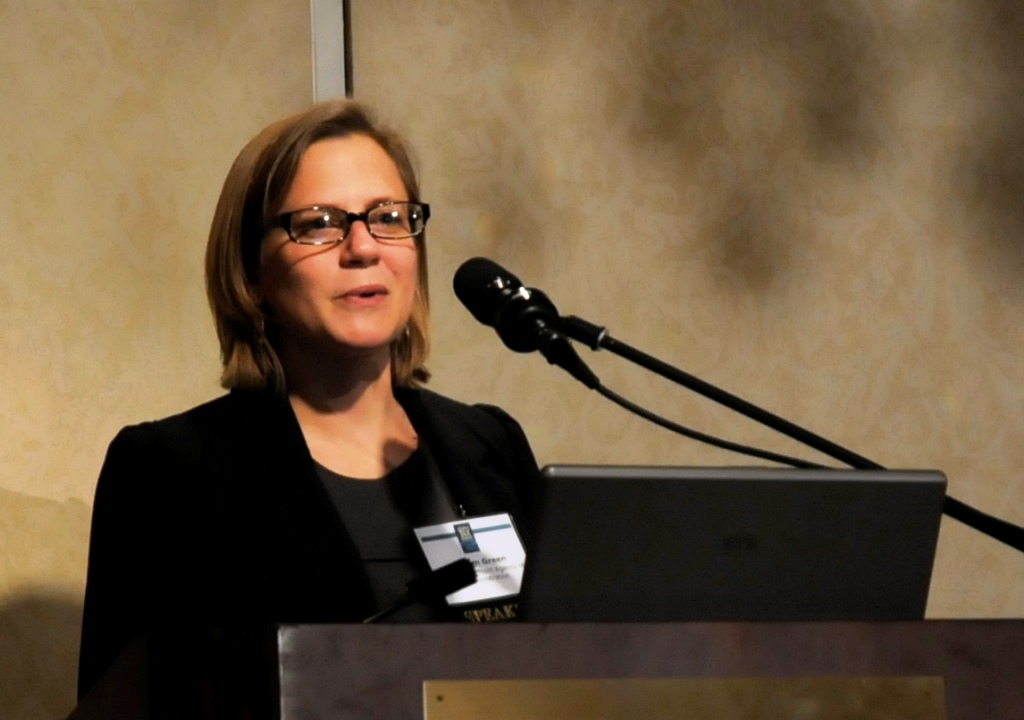
“Some prescription drugs and subsidy programs are no longer available when you change the purchasing relationship,” said Devon Green, the hospital association’s government relations vice president. “We want to make sure that the state contracting directly with a drug wholesaler will create savings while preserving access for prescription drugs currently available to Vermonters.”
There’s also a question of whether the state can handle a wholesaler contract, which could be “administratively complicated and expensive to manage,” the working group’s report says.
In late September, the Department of Vermont Health Access issued a request for information that asked drug wholesalers to answer a series of questions about the proposal. Though the state extended the deadline for responses into November, officials heard from no wholesalers.
“We had sort of anecdotally heard that there was interest. So I was a little bit disappointed,” Hogue said. “We’re trying to better understand some of the reasons why there wasn’t a response so that we can maybe do better next time.”
The working group has committed to reconvening to discuss the matter. And the group’s report says the Department of Vermont Health Access “sees value in continuing to explore potential opportunities with wholesalers.”
“The U.S. outpatient drug channels are extremely complicated, and (the department) believes that both savings and transparency can be achieved through channel simplification,” the report says.

