

Editor’s note: This op-ed is by award-winning journalist Telly Halkias. It first appeared in the Portland Daily Sun.
When Pulitzer Prize-winner Joel Brinkley died of an acute illness on March 11 at age 61, the American news media lost one of its top journalists, and finest human beings.
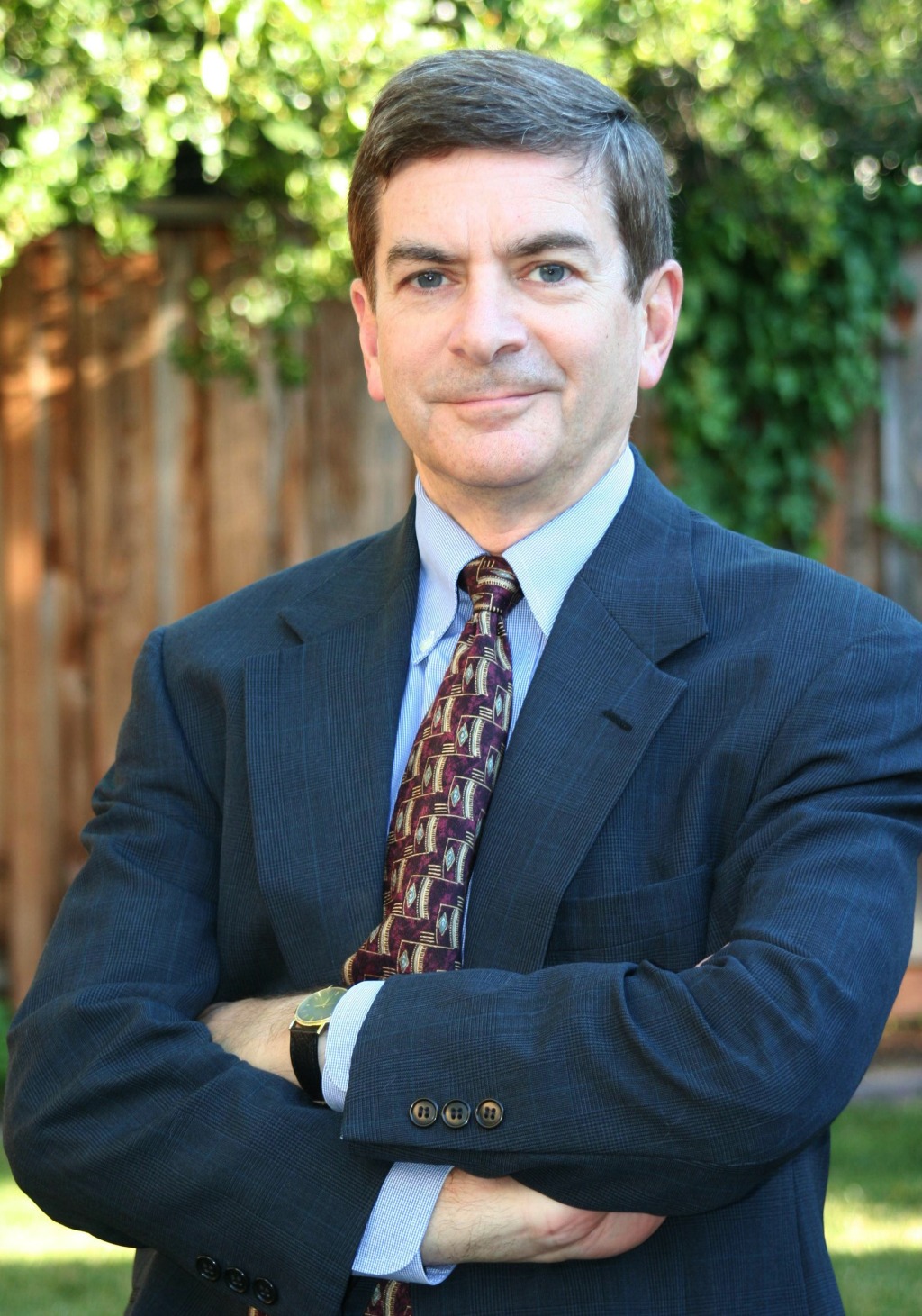
I wasn’t one of Brinkley’s lifelong friends and associates, but rather met him just last year at the annual conference of the National Society of Newspaper Columnists.
Both of us were attending, among other reasons, to receive awards for our previous year’s work. Having read his syndicated columns for years, Brinkley was well known to me, and meeting him was a professional honor.
Much to my delight, following the conference we continued sporadic conversations on social media, mostly surrounding his latest work.
On news of his death, Brinkley’s accomplishments were documented in the national press, and tributes to him well-deserved.
Here are some highlights: Pulitzer at age 27 for international reporting while he was at the Louisville Courier-Journal. Twenty years with the New York Times as White House correspondent, Jerusalem bureau chief, and national security editor. Hearst Professional in Residence at Stanford University.
Last year, several months after we met, Joel was offered a job he described as “too good to pass up.” He accepted the position of strategic advisor for the Special Inspector General for Afghanistan Reconstruction – a subject he had criticized in his writing, yet where he thought he could make a real difference.
He glanced at my name tag, stopped, and in a brief but warm exchange, exclaimed: “Telly, I’m Joel, congratulations on your award!”
So this past fall, Brinkley came back home to Washington, D.C., where he grew up as the son of legendary TV news anchor David Brinkley. He had to suspend his syndicated column until fully settled into the new position.
Sadly, other than one piece, we never saw it again.
As someone who grew up mostly overseas and spent many years outside of the U.S., I was struck by several things in Brinkley’s analyses, even before I knew him personally.
His lucid writing style, universally praised, was tailor-made to explain complex foreign matters to lay Americans. Also, he never displayed the perceived naiveté and weakness, or excessive political correctness, often associated with diplomats. Rather, in adroit yet potent terms, Brinkley always called a spade a spade when he put pen to paper.
And yes, Joel would be disappointed in me if I left out that he, too, had detractors and critics, and sometimes made mistakes.
Just last year, for example, a column he wrote on Vietnam drew scathing condemnation from the Asian American Journalists Association. In some circles, the piece was deemed oversimplified, and even racist.
But that’s also part of the territory of an opinion writer, and to me, the true measure of any man remains personal.
Along with being known as a loving husband and father, Brinkley was unpretentious, humble, and had a dry sense of humor. In my brief time around him, I realized the more you engaged Joel, the less you would guess his pedigree.
Two moments stood out.
The first, when we met. We were walking by each other in a hallway at our hotel, and I thought: “Wow, there’s Joel Brinkley, Pulitzer winner!” He glanced at my name tag, stopped, and in a brief but warm exchange, exclaimed: “Telly, I’m Joel, congratulations on your award!”
I was stunned, mostly because this was two days before the awards banquet. That Brinkley took the time to learn who his fellow honorees were – many from small news outlets not in the national spotlight – speaks volumes of the man’s humanity and awareness.
The second time was at the dinner itself. Joel was sitting at the table next to mine. On my way back from the podium after receiving my award, we locked eyes, and he nodded at me and smiled, while applauding.
Heaping praise on Brinkley, or criticism, will never tell me more about him than those two instances.
Perhaps fittingly, tributes to Joel in the news were substantive but muted. This, largely because several overseas stories have been dominating the news cycle: the disappearance of Malaysian Airlines Flight 370 and Russia’s forceful annexing of Crimea.
Ironically, as the two events unfolded, I found myself wondering: What would Joel have written? How would he have assessed that thug Putin? Or the Malaysian government?
Sadly, we’ll never know. And that’s a loss for all Americans who care deeply about this nation and our place in the world. Because few writers could break down a foreign affairs issue like Joel Brinkley.
Importantly, while doing so, he still came across as no different than you and me.
You may e-mail Telly Halkias at tchalkias@aol.com or follow on Twitter: @TellyHalkias.

