As climate change pushes wildlife northward, conservation groups and state officials are trying to preserve a shrinking chain of forest corridors in Vermont that scientists say are critical to species migration across the Northeast.
Conservationists say the fragmentation of the landscape through roads and development weaken links in the migratory chain, limiting pathways for species to roam through the landscape across state lines and nation borders. Vermont’s forests play a vital role in providing pathways for that movement, especially as climate change redraws species’ natural habitat.
These conservation efforts come amid a housing shortage and broad land use debates in the state. This year, the legislature postponed implementation of Act 181, the 2024 legislation that revised Vermont’s land use guidelines, after opposition to the bill’s conservation measures in rural areas. The controversy spotlighted the tensions between Vermonter’s dual priorities of development and environmental stewardship and left questions of how to protect natural resources while not encumbering property owners.
As around 80% of Vermont’s forests are privately owned, the state and conservation groups are working to acquire and connect sustainably managed land parcels to avoid “conservation islands” that maroon animals and prevent migration, said Eve Frankel, the state director of the Vermont Chapter of The Nature Conservancy.
Given the state’s aging population, Vermont is on the cusp of a large-scale transfer of lands to younger generations, so the state and local groups are seeking out willing landowners to place land along these corridors into conservation, Frankel said.
Vermont is situated within the Appalachian range, which is considered a globally important pathway for species migration, on par with the Amazon Basin, Kenyan Grasslands and the Borneo Lowland Rain Forests, according to The Nature Conservancy, an international conservation organization.
Scientists estimate that entire populations are adjusting home ranges in the face of climate change by an average of about 11 miles per decade. The study states the rate of home range changes is two to three times higher than previously estimated, according to Gus Goodwin, a conservation planner with the Vermont Chapter of The Nature Conservancy.
The state has laid out priority areas or “stepping stones” for species migration through the state, including conservation of forest blocks in Vermont. This effort, guided by Vermont Conservation Design, helps connect species migrating from the Berkshires in Massachusetts, the Adirondacks in New York, the White Mountains in New Hampshire and the Gaspé Peninsula across the national border in Quebec.
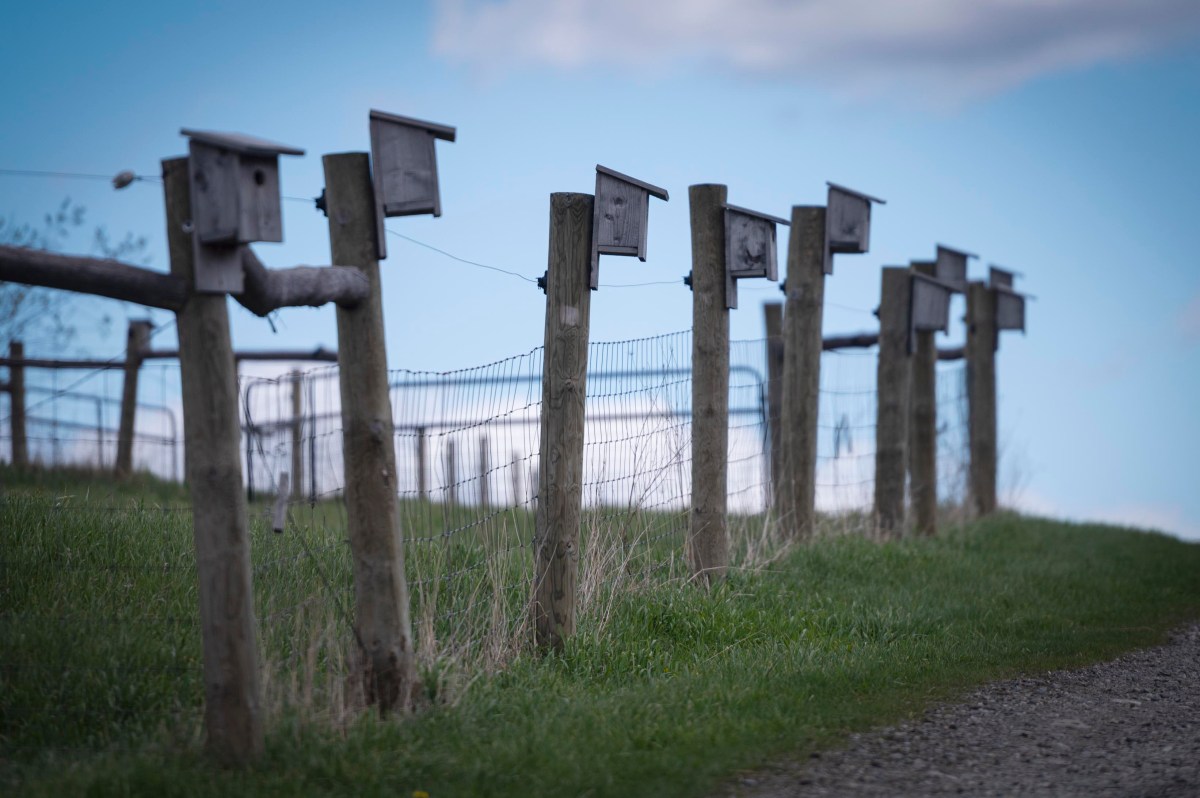
Merck Forest
Some of the key areas for species movement along the Appalachians are located within southwestern Vermont, as species move across the New York and Massachusetts borders. This is according to The Staying Connected Initiative, which brings together over 70 state agencies, non-profit conservation groups and academic partners in the northeast United States and parts of Canada.
“The goal is to connect that whole mountain range north to south,” Goodwin said. “It’s important to connect those big blocks of forest, but we also need those big blocks of forests to be intact, resilient sources of biodiversity.”
Merck Forest and Farmland Center, a more-than-3,600-acre parcel in Rupert, is a place where a species migration bottleneck — or thinner route bordered by development — has formed between connected passageways in southwestern Vermont forests. The bottleneck between these two large undeveloped forested tracts is a vulnerable part of the migratory corridor as species move north in search of suitable habitat, especially in a warming climate, said Rob Terry, the center’s executive director.
Terry and those managing Merck Forest are propagating tree species that can adapt to the warming climate, studying ways to retain a healthy forest and reduce avoidable forest loss.
“We’re thinking differently and really building the infrastructure so that we can respond in real time to ecological change that’s going to occur at a pace that the planet really hasn’t previously seen,” Terry said.
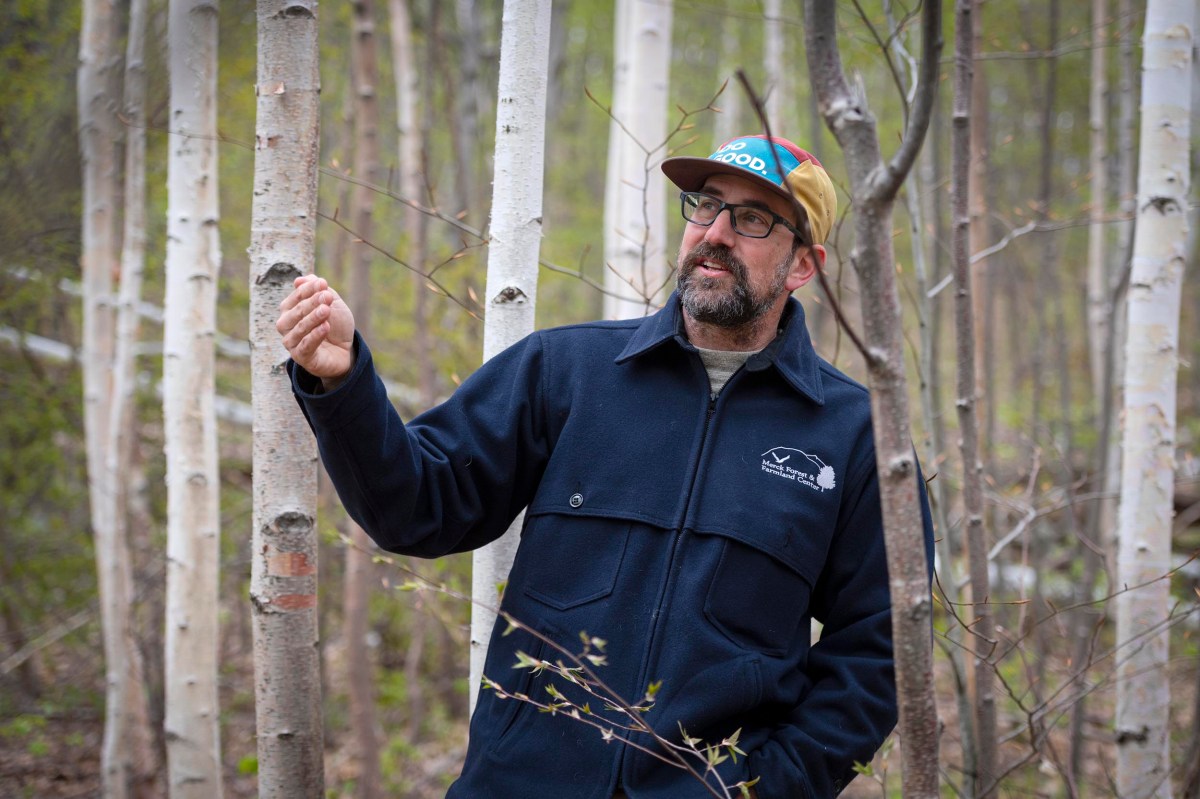
North of Merck is the “Adirondacks to Greens” passageway that is a focal point for conservation informed by species migration, said Goodwin. Merck is on the northern edge of 42,000 acres of unfragmented forest stretching south within the Taconic Mountain corridor, Terry said. Large intact forests help species adapted for interior forest habitat, like bobcat and lynx, to move across the landscape, Terry said.
“Anytime we build a road or we build a building, we essentially convert all forest within half of a mile of that structure to edge forest, so it’s no longer suitable for our species that need interior forest,” Terry said.
Wildlife passages
Vermont is working with The Nature Conservancy to bridge the barriers created by roadway development for animal migration. The state is building wildlife underpasses beneath Route 7 in Pittsford and Route 22A in West Haven, said Jens Hawkins-Hilke, a conservation planning biologist with the Fish and Wildlife Department.
Will Duane, land acquisition coordinator with the Fish and Wildlife Department, said the state recognizes the housing crisis in Vermont and that local priorities drive land use. Conservation priority areas are guided by science and the interest of Vermonters who want to sell their land or place a conservation easement on their property, Duane said.
Bill Sargent, a forester from Shaftsbury, said funding wildlife conservation efforts like underpasses should not be at the expense of maintaining working lands and investing in social services, education and housing.
There are ways to support projects that straddle both the need for development, working lands and environmental stewardship, creating “co-benefits,” said Trey Martin, director of conservation and rural community development at Vermont Housing and Conservation Board.
The board helped fund the conservation of Cedar Mountain within the Greens to Adirondacks corridor in Benson. Owned in partnership with The Nature Conservancy and Lake Champlain Land Trust, the nearly 700-acre forest is now productively managed while protecting rare plant and animal species and preserving public recreation access.
“We all think about this in terms of conservation projects that have habitat plus climate resilience plus working lands, enterprise opportunities or outdoor recreation opportunities,” said Martin.
Big picture, Hawkins-Hilke said the state and conservation partners are studying these shifting wildlife habitats and working to fill gaps in a larger pattern of species migration.
“These linkage areas are incredibly important for allowing for wildlife movement in response to climate change, for allowing for genetic exchange between populations, as well as those everyday movements,” Hawkins-Hilke said.