

As recorded overdoses in Burlington reached new heights this summer, the University of Vermont Medical Center reorganized its addiction treatment services to streamline access to treatment.
The mayor’s office in the Queen City recorded 265 overdoses between January and the end of July, more than in the entirety of last year. Meanwhile, 95 overdose deaths were recorded statewide through the end of May, according to data released this month by the Vermont Department of Health, compared to 85 during the same time period in 2022, itself a record-breaking year.
Providers at the UVM Medical Center hope that by creating a more integrated set of services with one intake process, they will increase the number of people who can access their care.
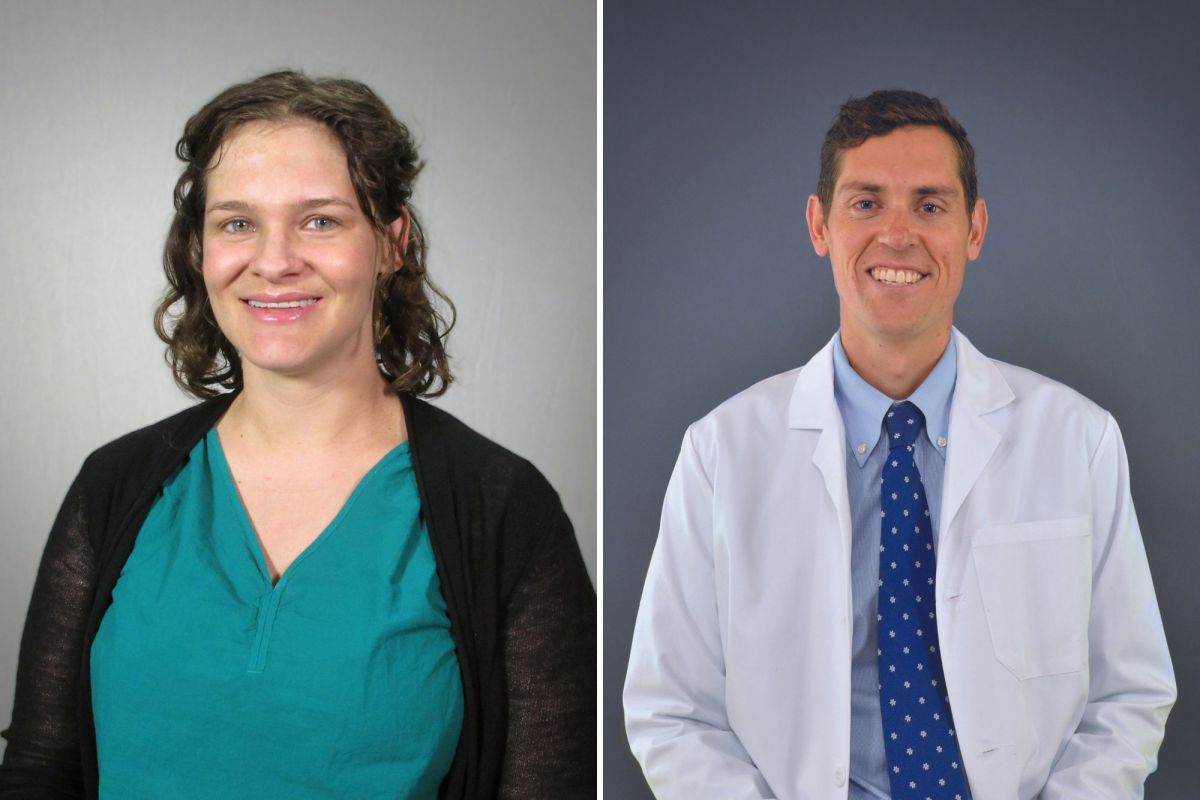
“What our new center really provides is it allows patients to get better access, and quicker access, to treatment and, also, better coordination of services,” said Bethany Mahler, a licensed alcohol and drug counselor at the newly created UVMMC Addiction Treatment Center.
Prior to the reorganization, the Burlington-based hospital operated several different programs related to substance use disorder treatment, including DayOne, an intensive outpatient program, and a separate effort to support primary care providers providing patients with medication for opioid use disorder, she said.
The Addiction Treatment Center, located in the same physical space where DayOne operates, brings together two psychiatrists focused on evaluating new patients, along with nurse practitioners and licensed counselors, with the goal of helping patients initiate treatment as soon as possible, whether they are first identified at the emergency room or through interaction with community outreach partners. The center assists with treatment for alcohol and stimulant misuse, as well as opioids.
“There is no ‘wrong door’ for individuals seeking support and treatment for substance use disorders,” said Peter Jackson, medical director of the new center, describing the center’s philosophy in a press statement.
Treatment provided specifically at the center is individual and group-based outpatient therapy, Mahler said, “but we will help people navigate to whatever level of care they need.”
Paul Detzer, a spokesperson for the Howard Center, which also provides referral services to medication for opioid use disorder and group therapy, said in an email that it is too soon to evaluate the impact of the new center.
Providers affiliated with UVMMC have been offering medication for opioid use disorder since 2015, Mahler said. Although there have been weekslong waits to access this treatment in the past, that is no longer the case, she said. Some providers offer walk-in hours and appointments can often be made for the next day.
“All the treatment providers in the community have really worked hard to increase access,” Mahler said. “I think now the focus is more on how do we engage people who aren’t reaching out for help?,” she said. “And how do we retain people? How do we keep people engaged in treatment?”
The latter question has been a pressing one since at least 2021, according to two studies of different sets of data from that year by the state health department.
One study released last January looked at the percentage of people with Vermont Medicaid insurance who were diagnosed with a substance use disorder in 2021. Although more than 70% of people with that new diagnosis initiated treatment within two weeks, only 51% continued with it through the full 34-day period.
Another study, released Wednesday, showed results from “social autopsies,” studies of the lives of the 231 Vermonters who died from overdose in 2021. Fentanyl, a synthetic and often deadly opioid that has only become more common since then, was involved in 83% of deaths. That study suggests that given the makeup of the street drug supply, getting a diagnosis and starting treatment is not enough. The department found that 93% of those who died statewide had been diagnosed with a substance use disorder. More than two-thirds were enrolled in Medicaid at the time of death, and of those almost half had a claim related to medication-assisted treatment within the previous year.
