


[A] new food storage requirement is coming to the Green Mountain National Forest, following a recent spike in reports of bears in and around campsites. The order calls for proper food storage and prohibits leaving food on national forest lands in Vermont.
Officials said the order is more of an educational tool than an enforcement tactic.
“This goes back to some of the ‘leave no trace’ principles and just generally being good stewards of the land,” said Ethan Ready, spokesman for the U.S. Forest Service.
He said most of the regulation they do relies on people “using good sense and doing the right thing.”
What the order comes down to, Ready said, is an attempt to reduce interactions between people and black bears. Improperly stored food can easily be scouted by bears’ strong sense of smell, he said, which can get the animals into the habit of regularly visiting campsites, even after the people improperly storing food there have left the area.
“Whether it’s nuts on a tree or berries on a plant or chips on a picnic table, they’re going to return to that site in terms of finding food again,” Ready said.
The forest service is concerned about the safety of both the people and the bears in these interactions. They noted that once a bear develops a pattern like this, it can lose its fear of humans and become aggressive — which can ultimately result in the bear being killed.
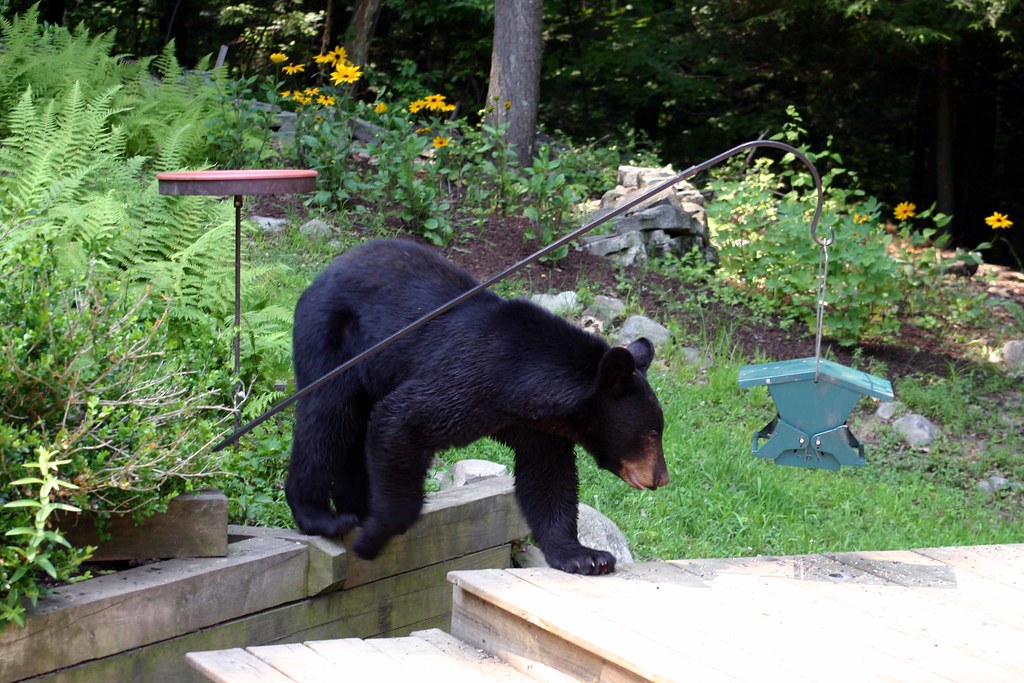
The order applies to the entire Green Mountain National Forest, including the Rochester, Middlebury and Manchester ranger districts. Officials will be posting signs and putting up bear boxes around shelters, campgrounds and other sites where they hear about human/bear interactions, in the hopes of spreading the word to hikers and campers throughout the state.
The requirement asks visitors to store unattended food in bear-resistant containers, in a vehicle, or suspended at least 12 feet off the ground and more than six feet from another object horizontally.
Ready said if they encounter a habitual offender who is repeatedly out of compliance with the order and continues to carelessly store their food, that’s something the forest service would deal with on a case-by-case basis. But he said in other areas where these requirements have been implemented, such as the White Mountain National Forest in New Hampshire, officials have seen a reduction in the number of interactions between people and bears.
“We’re trying to create a culture of it,” Ready said. “A lot of people out on the forest communicate by word of mouth. We think that by awareness around the food storage issue, this will become just common practice.”

