

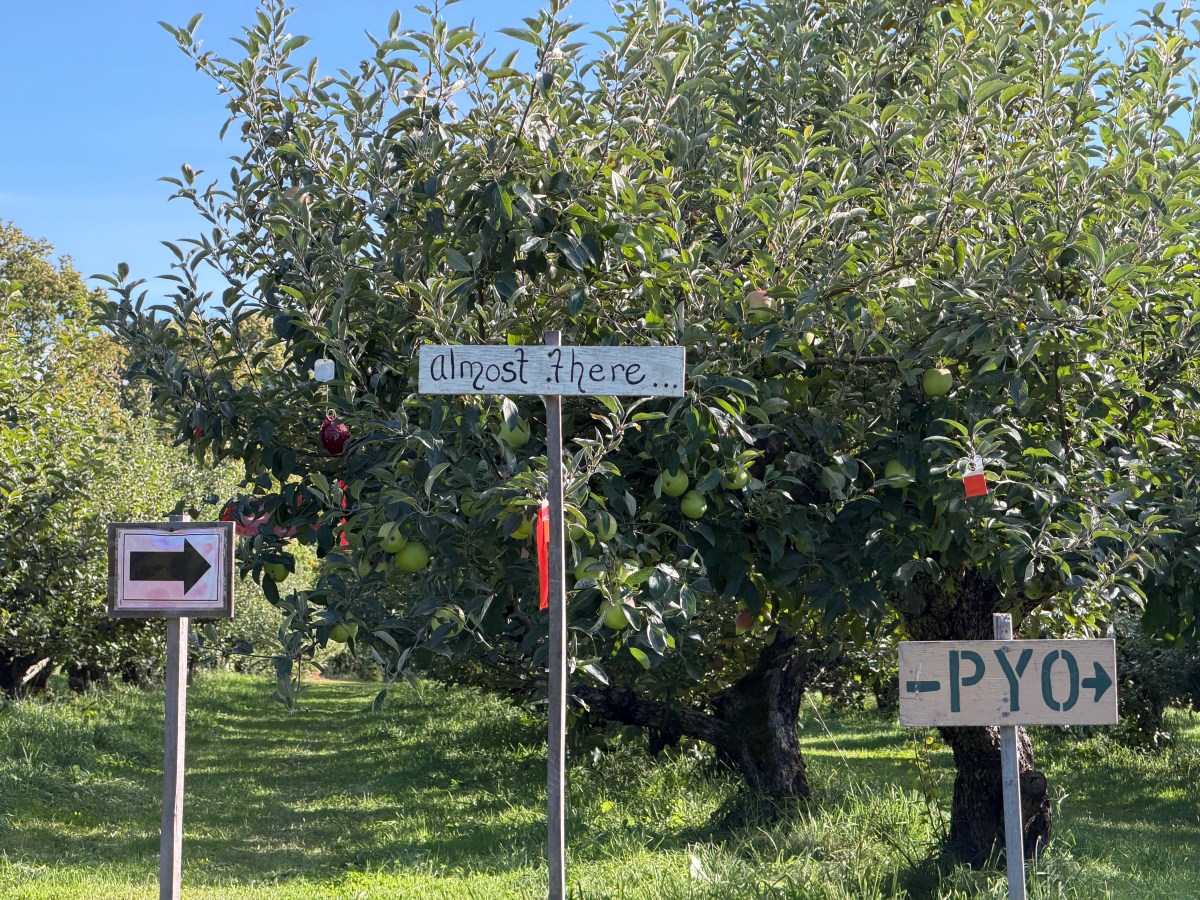
ESSEX JUNCTION — The Murdock family spends money on their apple trees all year long.
They have about eight days to earn it back.
At Chapin Orchard in Essex Junction, as at pick-your-own-apple orchards across Vermont, the year typically comes down to four weekends from late September into early October. When the sun is out, the parking lots fill.
When it isn’t, the apples wait, and sometimes they fall.
“I can have the most beautiful crop,” Phil Murdock said. “But if people aren’t here to pick it, frankly, it’s going to end up on the ground.”
In the past two decades, pick-your-own apple orchards have blossomed across Vermont, where apples rank third in agricultural revenue behind the state’s more signature dairy and maple syrup industries.
Still, these businesses operate at the mercy of New England’s fall weather. Even a few rainy days can tilt the balance, determining the success or failure of the entire year.
Though they’ve lost a few profitable days to rain, this year has been decent so far, Murdock said. But the season’s outcome is still uncertain.
Despite a frost that came at a critical point in April, Terry Bradshaw, chair of the Department of Agriculture, Landscape and Environment at University of Vermont, said the apple trees this season are in good shape.
“We’ve had just the right amount of moisture,” Bradshaw said. “If we had too much moisture, we end up with disease problems, and we aren’t really having a lot of that. So it’s just been a generally good year.”
Vermont pick-your-own orchards entered their peak season last weekend, which will last until mid-October. Murdock said his trees are primed for pick-your-own activities this year.
“This year we’re going to pick-your-own right through the end of October because hopefully it’s going to be 65 and sunny right through Halloween.”
An agritourism pivot
Vermont’s apple industry has always been a prominent agricultural moneymaker, Bradshaw said. The majority of apples grown in Vermont were shipped to other places 30 years ago, he said, but things started to shift at the turn of the century, leaving Vermont wholesale apples in the dust.
For one, the apple farming industry became more mechanized, Bradshaw said. Larger apple industries set up shop in places with different topography, since large-scale farming machinery is more difficult to operate on Vermont’s hilly terrain.
“When we started to lose our foothold in the national and even international market back in the mid ’90s, the capital wasn’t there for farmers to switch over to these new systems,” Bradshaw said.
It’s difficult to fight against economies of scale, Bradshaw said, so many apple farms began a pivot towards agritourism in the form of pick-your-own apple orchards. The pick-your-own orchards make their profits on apples that customers pick fresh from their trees.
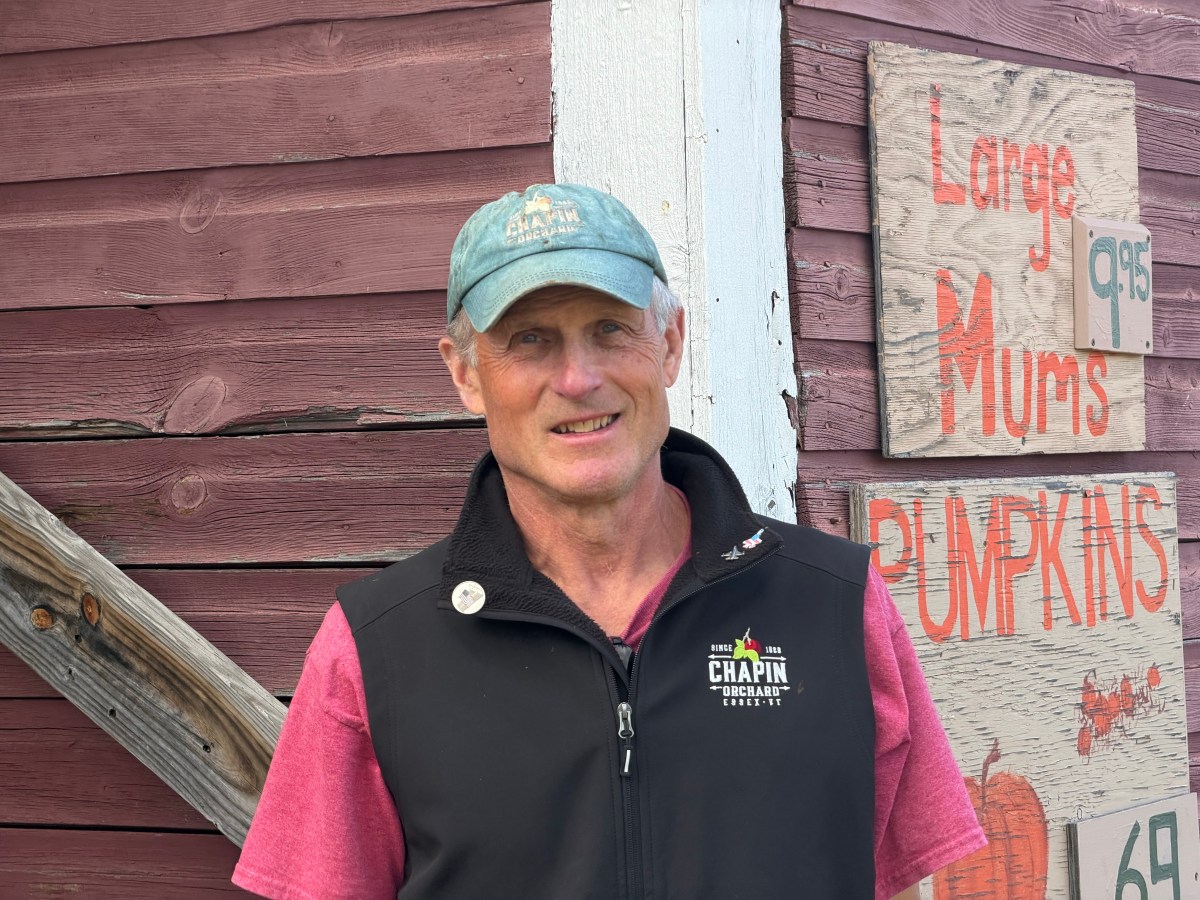
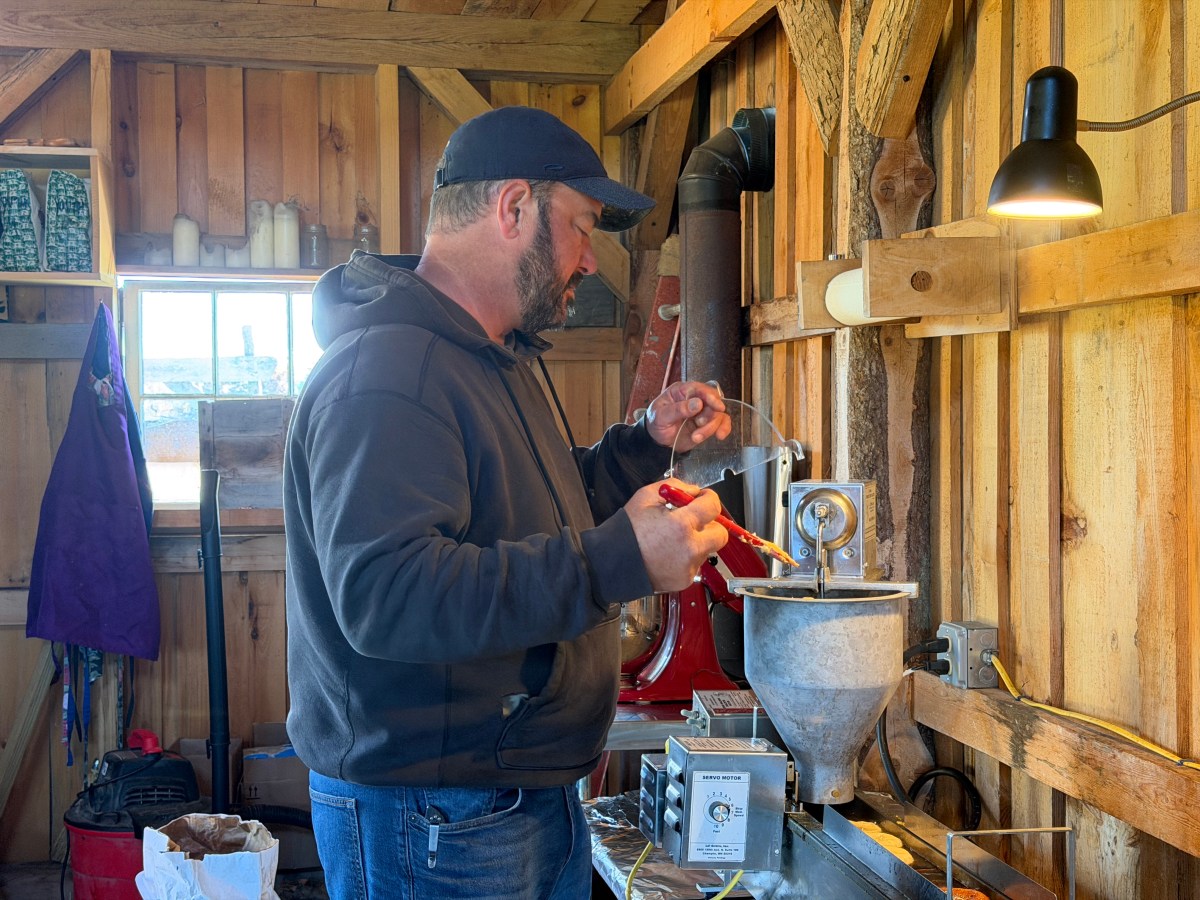
Often, the orchards also offer apple cider, cider donuts and other local products for sale, as well as offering hay rides and other activities, as is the case at Chapin Orchard.
“We became marketers and entertainers,” Bradshaw said. “Pumpkin patch runners and corn maze makers.”
The transitioning to pick-your-own orchards, along with fresh orchards that sprung up in the past two decades, have created places for Vermonters to gather. Murdock sees multiple generations of the same families, and parents who came as children often bring their kids to his orchard decades later.
For Dan Bair, who owns Peck Farm Orchard in East Montpelier with his wife Leila, their pick-your-own orchard has become a “community resource.”
“Our unwritten rule [is] come here, turn your phone off, stay together,” Bair said. “So just create memories and enjoy yourself.”
‘Not for the faint of heart’
The downside of the new business model is the temperamental nature of the weather, Murdock said. With such a short season, even the chance of rain can have a dramatic impact on business, Murdock said.
Murdock saw this phenomenon in action on a recent Sunday.
“It never rained,” Murdock said. “It was a decent day, but there was raindrops on the forecast. We did half the business on Sunday than we did on Saturday just because of the forecast.”
Luckily, Bair said, a loyal customer base can serve as a lifeline because some pickers come out despite the weather.
“At a certain point, people need to pick apples,” Bair said.
All agricultural businesses deal with chance and loss, Bair said. Three years ago a huge frost swept over Bair’s orchard. He thought the entire apple crop would be lost, though he managed to salvage around 60%.
Agriculture is “not for the faint of heart,” Bair said.
“There’s a farmer down the road, and I’ve seen him in the face of [a] barn fire, and he’s completely relaxed,” Bair added. “I didn’t understand it until you become a farmer and you experience a lot of loss. Once you do, you begin to just take it day by day.”
But there’s only so many losses a business can take when it makes its yearly income in eight days, Murdock said. The cost of growing apples — encompassing fuel costs for farm machinery, labor costs, and maintenance and repair costs of farm infrastructure and equipment — builds with each month of the year. The rising cost of fuel has a huge impact on farm operations, Murdock said, since they use it to power their mowers, tractors, cars and other machinery.
Most of their prices have stayed steady, Murdock said, but higher operating costs mean the business brings in less revenue. There’s very little margin for error.
“We’re spending it all year round,” Murdock said, “but we stop bringing it in November 1.”

