

The Vermont Conversation with David Goodman is a VTDigger podcast that features in-depth interviews on local and national issues. Listen and subscribe for free on Apple Podcasts, Spotify, YouTube or wherever you get podcasts.

Hisham Awartani thought he was going to die. That’s what he told a police dispatcher in desperation as he lay on the ground after being shot by Jason Eaton in November 2023. Awartani and two friends, all of whom are of Palestinian descent, were walking down North Prospect Street in Burlington when Eaton, whom they did not know, stepped off his porch and began firing at them without saying anything. All three friends were wounded, but Awartani, who was 20, was the most seriously injured.
A Vermont jury delivered a measure of justice this week when it convicted Eaton of three counts of attempted second-degree murder for the unprovoked shooting of the three young men. The weeklong trial included searing testimony from the survivors and the replaying of Awartani’s call to 911.
“There was some justice dealt, but obviously it doesn’t change what happened,” Awartani told me about the verdict.
Awartani, Kinnan Abdalhamid and Tahseen Aliahmad have been friends since childhood in the Israeli-occupied West Bank. They were classmates at a Quaker high school in Ramallah and were all attending universities in the U.S. They were on Thanksgiving break and were visiting Awartani’s grandmother, who lives in Burlington.
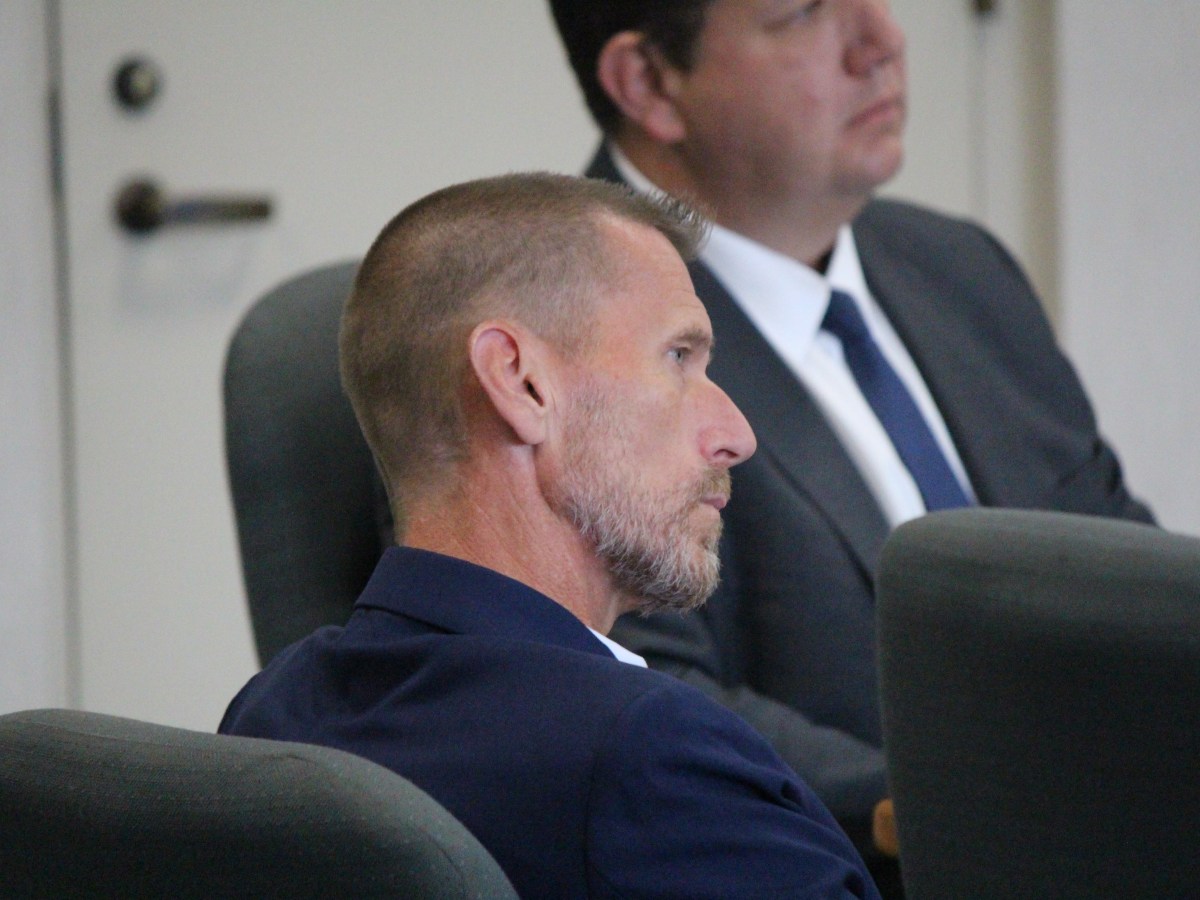
The jury delivered its verdict in under two hours and rejected Eaton’s insanity defense, holding him fully responsible for his actions.
The verdict offered some closure on a shocking act of violence that drew national and international attention, coming two months into the latest Israel-Hamas war.
Awartani was gravely wounded in the attack. A bullet lodged in his spine, and he is now paralyzed from the chest down.
Awartani told me he is grateful for the medical care he received at UVM Medical Center and Spaulding Rehabilitation Hospital in Boston, as well as an outpouring of community support in Vermont. But he has had mixed feelings about the extensive attention to his case. “To have access to such great healthcare and then at the same time, just see the large-scale destruction and death that was happening in Palestine … that part was dissonant for me definitely.”
“In Palestine, every single person who died, their life is just as rich as mine.”
The death toll from the war in Gaza has topped 73,000 since Hamas forces attacked Israel on Oct. 7, 2023, according to the Gaza Health Ministry. More than 1,200 Israelis were killed that day.
Awartani said there is a connection between what is happening in Palestine and what happened to him. “Palestinian identity has become vilified,” he told me.

“Violence against Palestinians being excused on a mass scale in Palestine … carried over to here, where simply wearing Palestinian clothing and outwardly identifying yourself as Palestinian is enough to be considered a terrorist and therefore getting shot.”
The families of the three young men released a statement after the verdict. “After three years of sorrow, loss, and struggle, our families finally feel relief,” they wrote. Although Chittenden County State’s Attorney Sarah George said the evidence did not support a hate crime charge, the families insist that the young men were targeted in an act of hate.
They wrote, “We continue to work toward a world where hateful violence against Palestinians is called out for what it is — and stopped.”
Awartani is now 23. He graduated with honors from Brown University in May with a degree in archaeology and math. He plans to return to the West Bank for a year and then pursue graduate studies, perhaps in archaeology.
As a Palestinian survivor of violence, Awartani feels a special responsibility. “I’ve been given a voice, and I would like to use that voice to amplify other people’s voices that have been silent or silenced,” he said.
What gives him hope?
“Being surrounded by friends and family, both in the United States and in Palestine … helps us endure and be together,” he replied.
He is also encouraged by the shift in public opinion toward Palestine and the campus protests in support of Palestinian rights. “It’s building political machinery that hopefully … can effect large-scale positive change both in the United States domestically and internationally.”
